Tinubu Seeks National Assembly Approval for $21.7bn External Borrowing Plan
The proposed 2026–2027 borrowing package includes $20.52 billion and €1.045 billion for infrastructure and other development priorities, renewing debate about debt sustainability and government revenue.
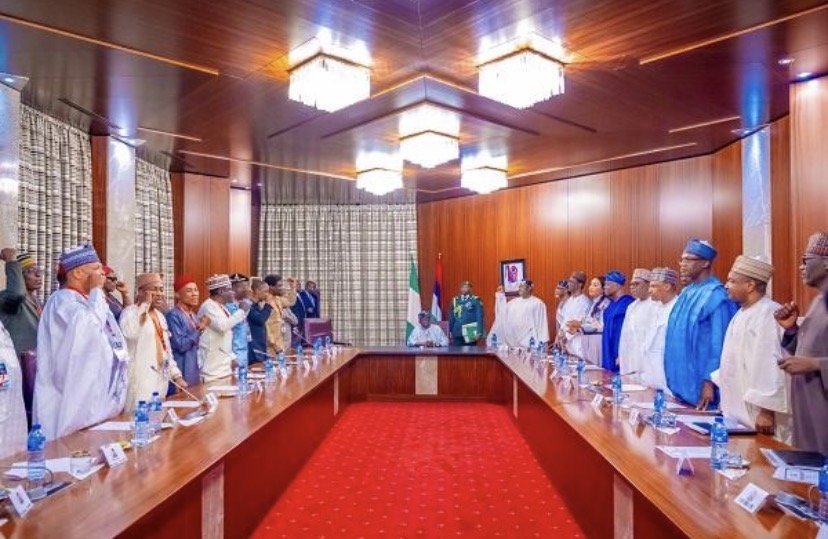
President Bola Tinubu has asked the National Assembly to approve a supplementary external borrowing plan worth approximately $21.7 billion to finance projects and government priorities over the 2026–2027 period.
The proposal comprises about $20.52 billion and €1.045 billion, equivalent to roughly $1.17 billion at the conversion reported in coverage of the request.
According to the President’s communication to lawmakers, the funds would support infrastructure, agriculture, healthcare, education, water supply, security, employment generation and financial management reforms.
The request was reported on October 27 and referred to the relevant Senate committees for scrutiny.
What the proposed loans would finance
The government says additional external financing is necessary to address infrastructure gaps and meet the cost of projects across key sectors.
Power, transportation and healthcare were among the areas highlighted in reporting on the proposal. If the borrowing is approved and properly implemented, the government intends the funds to help finance projects that require substantial investment.
However, the request is not the same as final approval or the disbursement of funds. Lawmakers must examine the proposal and determine whether it should proceed.
The National Assembly’s review will therefore be an important part of assessing the borrowing’s purpose, conditions and potential effect on public finances.
Why the proposal matters
Borrowing can provide governments with resources to finance major infrastructure projects, particularly where immediate revenue is insufficient.
Well-designed investments may improve productivity, reduce transport costs, expand access to public services and support economic activity. External loans may also offer financing structures suited to projects with long implementation periods.
But borrowing carries obligations. Principal and interest must be repaid, and foreign-currency liabilities can become more expensive in local-currency terms when the naira depreciates.
The government’s ability to service new debt also depends on its revenue base. When a large share of public revenue goes towards existing debt obligations, fewer resources may remain for healthcare, education, social protection and other recurring expenditure.
These concerns make the details of the proposed financing as important as its headline value.
Questions lawmakers should examine
The National Assembly’s scrutiny should establish the intended allocation of funds across projects, the interest rates and repayment periods, the currency and other conditions of each facility, and the expected economic returns.
It should also consider whether projects have clear implementation schedules, credible cost estimates and transparent procurement arrangements.
Public disclosure of borrowing terms and subsequent reporting on project delivery would help Nigerians assess whether the financing produces lasting value.
The request follows previous borrowing approvals, including facilities earmarked for infrastructure and port rehabilitation, according to reporting by Premium Times.
The government has argued that external borrowing is necessary to close financing gaps and deliver development projects. Critics, meanwhile, are likely to focus on Nigeria’s revenue constraints and the cumulative cost of servicing public debt.
The decision ahead
The proposal now places a significant financing decision before lawmakers. Approval would create the basis for the government to pursue the proposed facilities, subject to applicable procedures and terms.
For Nigerians, the central issue is not simply whether the government should borrow. It is whether the financing is affordable, transparently managed and directed towards projects that produce measurable public benefits.
Follow AfriView
Don’t Miss the Next Big Story
Enjoyed this story? Stay connected with AfriView for the latest breaking news, trending stories and important updates from Nigeria, Africa and around the world.