Nigeria: FG Approves ₦70,000 Monthly Transport Support for Public Workers
The six-month intervention is scheduled to begin in November, while negotiations over minimum wage implementation and other outstanding workers’ demands remain unresolved.
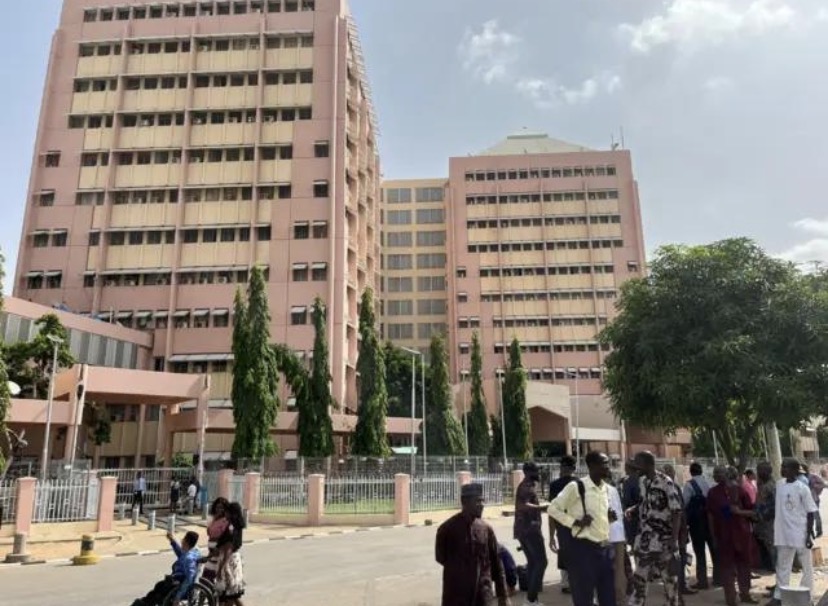
The Federal Government has approved a ₦70,000 monthly transport intervention for public service workers for six months, beginning in November 2026, following renewed negotiations with the Nigeria Labour Congress (NLC) over workers’ welfare and the rising cost of living.
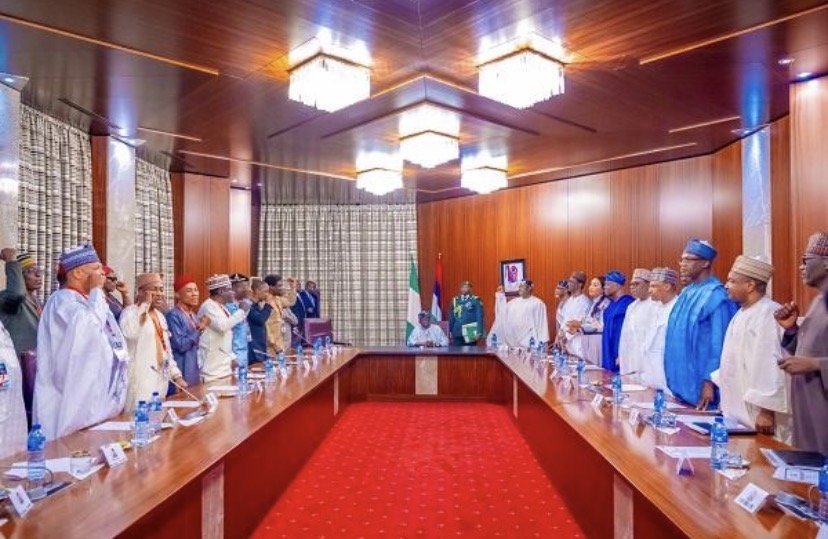
The agreement was reached during a conciliation meeting between government representatives and organised labour in Abuja on Tuesday, October 27. The meeting was convened to address outstanding demands, including allowances, wage-related concerns and other measures intended to ease the financial pressure on Nigerian workers.
According to the resolutions released after the meeting, the transport support will run for six months. However, the agreement did not provide a detailed payment timetable or explain the administrative process through which the intervention will reach eligible workers.
The approval comes amid persistent concerns about the cost of transportation, food, housing and other essential expenses. Workers have continued to argue that their earnings are under pressure as household costs rise, making additional support and the implementation of existing agreements important parts of labour negotiations.
Outstanding allowances to be paid
Beyond the transport intervention, the government approved the payment of outstanding peculiar allowance arrears with effect from May 1, 2026. The arrears are scheduled to be paid in three equal monthly instalments beginning in November.
The agreement also addressed outstanding allowances owed to health workers. Under the resolutions, 19 months of health workers’ allowance arrears are to be redeemed within three months, starting in December 2026.
Although the commitment represents a step towards addressing some outstanding financial obligations, the agreement did not disclose the total amount involved in the arrears or provide a detailed breakdown of the individual payments.
The parties also discussed the proposed adjustment to the Consolidated Health Salary Structure, commonly known as CONHESS, which applies to eligible health professionals in the public service.
The National Salaries, Incomes and Wages Commission is expected to complete an updated assessment of the adjustment’s cost implications within three weeks. The findings will enable the Presidential Committee on Salaries to consider the proposed adjustment. No final decision on the adjustment was announced at the conclusion of the meeting.
Minimum wage discussions remain unresolved
Despite the agreement on transport support and some outstanding allowances, the government and labour representatives did not reach an agreement on the effective date for implementing the national minimum wage.
The parties agreed that a Minimum Wage Negotiation Committee would be constituted and begin work immediately. The committee is expected to provide a framework for further discussions involving the relevant parties.
The disagreement means that the latest meeting has not settled every issue raised by organised labour. Instead, it has produced a combination of approved interventions, payment commitments and matters that still require negotiation or administrative action.
The government also addressed hazard allowances for agricultural officers. The Federal Ministry of Agriculture and Food Security had submitted a list of beneficiaries and the associated cost implications to the National Salaries, Incomes and Wages Commission for verification. The verification was expected to be completed within two weeks, after which an implementation template would be issued.
Tax relief for workers was another issue discussed. The parties agreed to refer the matter to the National Executive Council because of its statutory implications. The memorandum did not specify the particular relief measures under consideration or provide a date for a decision.
What the agreement means for workers
For public workers, the most immediate aspect of the agreement is the planned transport intervention from November. Nevertheless, its practical effect will depend on how the payment is administered, who qualifies and whether the funds are disbursed according to the agreed schedule.
The memorandum also urged state and local governments to participate in the intervention process. This is significant because workers employed by different tiers of government may depend on decisions and implementation arrangements within their respective administrations.
The government and the NLC agreed to reconvene after one month to review progress on the resolutions. That review will provide an opportunity to assess whether the approved interventions have moved beyond commitments to actual implementation.
For now, the agreement offers some financial relief while leaving important questions unanswered. Workers will still be watching the implementation of the transport support, the payment of outstanding allowances and the progress of negotiations over the minimum wage and other welfare concerns.
Follow AfriView
Don’t Miss the Next Big Story
Enjoyed this story? Stay connected with AfriView for the latest breaking news, trending stories and important updates from Nigeria, Africa and around the world.