Russia–Africa Summit Opens in Moscow as 48 African Countries Confirm Participation
The October 28–29 summit is expected to address trade, investment, security, energy and technology, as African governments weigh the opportunities and risks of deeper cooperation with Russia.
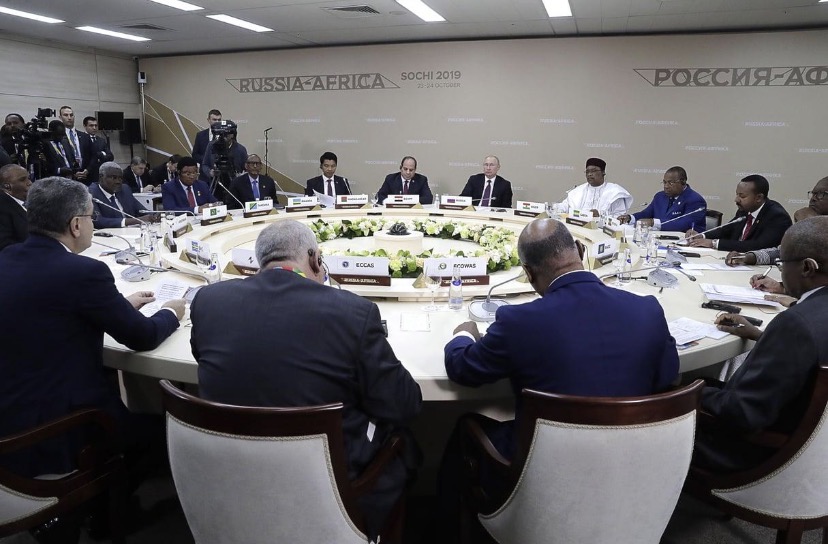
The third Russia–Africa Summit is scheduled to open in Moscow on Wednesday, October 28, bringing together Russian officials and representatives from 48 African countries for discussions on political relations, trade, security and economic cooperation.
The two-day gathering is expected to be co-chaired by Russian President Vladimir Putin and Burundi’s President Évariste Ndayishimiye, who chairs the African Union, according to information reported ahead of the event.
Russian officials said 48 of Africa’s 54 countries had confirmed participation, with 22 expected to be represented by their heads of state. The previous Russia–Africa Summit took place in St Petersburg in 2023, following the first meeting in Sochi in 2019.
The Moscow meeting is intended to provide a platform for governments and institutions to discuss the future of relations between Russia and African countries. Its agenda includes trade, investment, energy, infrastructure, agriculture, food security, science, technology, education and humanitarian cooperation.
The summit comes as African governments continue to pursue partnerships with a variety of international actors in an effort to attract investment, strengthen domestic production and expand access to technology and markets.
Trade and investment on the agenda
Economic cooperation is expected to feature prominently in the discussions. The summit’s accompanying Russia–Africa Economic and Humanitarian Forum is intended to bring together government officials, business leaders, financial institutions and experts to explore opportunities for cooperation.
Areas identified for discussion include trade, industrial development, digitalisation, healthcare, education and technological innovation. These sectors are relevant to African countries seeking to expand economic activity beyond the export of raw materials and develop stronger productive capacity.
For participating governments, the central question is how political agreements can translate into concrete outcomes for their economies. Announcements about cooperation may create opportunities, but their practical value depends on implementation, financing, access to markets and the ability of local businesses to participate.
African countries also have different economic priorities. Some may be more interested in energy and infrastructure, while others may focus on agriculture, industrial development, technology or access to new export markets.
This makes the summit an opportunity for governments to pursue national interests within a broader continental conversation. It also raises the importance of ensuring that agreements are assessed against each country’s development priorities rather than treated as symbolic diplomatic achievements.
Security and international relations
Security is another expected area of discussion. Russia has maintained political and security relationships with several African governments, while countries across the continent continue to face different challenges, including armed conflict, insurgency and instability.
The summit provides a setting for officials to discuss these concerns, although the details and eventual outcomes of individual security discussions will need to be assessed after the meetings.
African governments must also weigh the wider implications of international partnerships. Cooperation with any external power can create opportunities, but it may also raise questions about national interests, transparency, human rights and the long-term consequences of particular agreements.
The presence of many African delegations does not mean that all participating countries share the same foreign policy priorities or positions on international disputes. Their interests and approaches are likely to vary according to domestic needs and regional circumstances.
For this reason, the summit’s significance should be judged not simply by the number of countries represented, but by the substance of the discussions and the commitments that emerge.
A proposed action plan for future cooperation
Russian officials have said the summit is expected to advance a Russia–Africa Partnership Forum action plan for 2027–2029. Anticipated outcomes also include a final declaration, a declaration on cooperation in artificial intelligence and bilateral agreements covering various sectors.
These documents could provide a framework for future engagement. However, planned declarations and proposed agreements should not be confused with projects that have already been funded, completed or delivered.
The implementation phase will be critical. Governments and institutions will need to determine which proposals are viable, how they will be financed and what mechanisms will be used to monitor progress.
For African businesses, the potential benefits will depend on whether cooperation improves access to investment, technology, equipment and markets. For citizens, the more important measure will be whether the resulting initiatives contribute to employment, services, skills development and wider economic opportunities.
What African countries stand to gain and what to watch
The summit takes place in a world where countries are increasingly seeking to diversify their economic and diplomatic relationships. African states may use the meeting to pursue opportunities while maintaining relationships with other international partners.
But diplomatic engagement alone does not guarantee economic transformation. Governments will need to assess the terms of agreements, consider their financial implications and ensure that projects serve domestic development goals.
Transparency will also matter. Publicly available information about financing, obligations and expected outcomes can help citizens understand the commitments made on their behalf and assess whether those commitments are delivering value.
The Moscow summit is therefore an important diplomatic event, but its longer-term significance will depend on what happens after the delegations leave. If discussions lead to workable projects and mutually beneficial agreements, the gathering could strengthen cooperation. If commitments remain largely declaratory, its impact may be more limited.
As the summit begins, attention will be on the announcements made by participating governments and the extent to which those announcements translate into measurable outcomes for African economies and communities.
Follow AfriView
Don’t Miss the Next Big Story
Enjoyed this story? Stay connected with AfriView for the latest breaking news, trending stories and important updates from Nigeria, Africa and around the world.