Tanzania and Angola Agree to Link Atlantic and Indian Ocean Trade Routes Through New Railway Plan
The proposed connection through Zambia and the Democratic Republic of Congo could reshape regional trade, improve mineral transportation and strengthen Africa’s position in international supply chains.
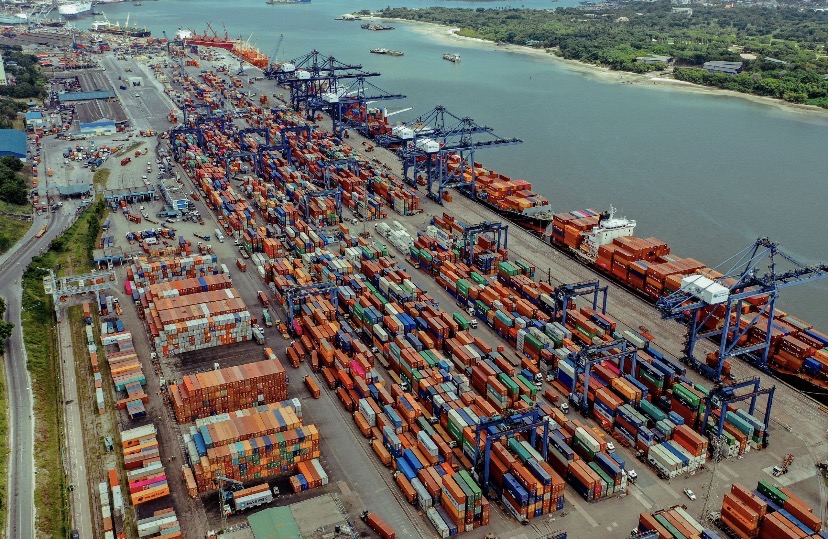
Tanzania and Angola have agreed to pursue a railway connection linking their Atlantic and Indian Ocean transport corridors, in a proposed infrastructure development that could significantly change the movement of goods across Central and Southern Africa.
Tanzanian President Samia Suluhu Hassan announced the agreement on Thursday, October 29, explaining that the two countries intend to connect their existing and developing railway networks through Zambia and the Democratic Republic of Congo.
The proposed connection would link Angola’s Benguela Railway, which forms part of the Lobito Corridor, with the Tanzania-Zambia Railway, commonly known as TAZARA, extending the route towards Tanzania’s port of Dar es Salaam.
The arrangement is expected to create a continuous transport connection between the Atlantic coast in western Africa and the Indian Ocean coast in eastern Africa.
Speaking about the development, Hassan said the initiative would strengthen regional transportation and create opportunities for improved trade between countries along the proposed route.
However, no completion date was announced, and the project remains dependent on further planning, infrastructure development and cooperation among the countries involved.
The proposed railway connection comes at a time when international investors and governments are increasingly competing to develop transportation routes across Africa, particularly those serving mineral-producing regions.
One of the major projects involved in this development is the Lobito Corridor, which connects Angola’s Atlantic port of Lobito to mineral-rich areas in Zambia and the Democratic Republic of Congo.
The corridor is considered strategically important because it provides an alternative route for transporting copper, cobalt and other minerals from Central Africa to international markets.
Its development has attracted support from the United States and European partners, who view improved railway infrastructure as an opportunity to strengthen trade and access to critical minerals.
The TAZARA railway, on the other hand, connects Tanzania and Zambia and has historically played an important role in transporting copper from Zambia to the port of Dar es Salaam.
The railway was originally financed by China in the 1970s and became an important alternative trade route for landlocked Zambia.
In 2025, China signed a $1.4 billion agreement with Tanzania and Zambia to modernise the railway, which has experienced operational and infrastructure challenges over the years.
The proposed connection between the two corridors could therefore bring together major infrastructure projects backed by different international partners.
Rather than operating as separate transportation routes, the railway networks could eventually support a broader regional logistics system connecting several countries and commercial centres.
For Zambia and the Democratic Republic of Congo, both important producers of copper and other minerals, the development could provide additional transportation options and potentially reduce dependence on existing export routes.
It could also improve access to international shipping markets by creating another route through which goods can reach ports along both African coastlines.
Beyond mineral exports, the proposed railway connection could support the movement of agricultural products, industrial materials, manufactured goods and other commodities.
Businesses could benefit from improved transportation links, while countries along the route may attract additional investments in logistics, storage, manufacturing and infrastructure services.
The initiative also highlights the growing importance of regional cooperation in addressing Africa’s transportation challenges.
Many African countries continue to face high logistics costs, inadequate railway infrastructure and limited connections between neighbouring markets.
These challenges often make it more expensive to transport goods across the continent than to export them to international destinations.
Improving railway connectivity could help address some of these limitations by providing more efficient alternatives to road transportation, particularly for heavy cargo and bulk commodities.
However, the success of the proposed initiative will depend on several factors, including financing, technical coordination, railway standards, customs arrangements and agreements between the participating countries.
Connecting railway systems across national borders also requires cooperation on operational procedures, maintenance responsibilities and the management of freight services.
In addition, the proposed route will need to demonstrate commercial viability to attract the level of investment required for construction and long-term operation.
The announcement also comes alongside discussions about another area of economic cooperation between Tanzania and Angola.
Hassan disclosed that Angola had invited Tanzania to participate in its proposed oil refinery project in Lobito. Tanzania’s state-owned energy company, Tanzania Petroleum Development Corporation, is assessing the possibility of participating in the investment.
Although the refinery discussions are separate from the railway agreement, both developments reflect efforts by the two countries to deepen their economic relationship.
For Africa, connecting the Atlantic and Indian Ocean corridors could represent an important step towards improving regional trade infrastructure.
However, the real impact will depend on whether the agreement moves beyond political commitments into funded projects, completed railway connections and reliable commercial operations.
If successfully implemented, the initiative could provide landlocked countries with more options for accessing international markets while strengthening trade links between different parts of the continent.
Follow AfriView
Don’t Miss the Next Big Story
Enjoyed this story? Stay connected with AfriView for the latest breaking news, trending stories and important updates from Nigeria, Africa and around the world.