Nigeria steps up efforts to contain avian influenza
Authorities are strengthening poultry surveillance, movement restrictions and farm biosecurity to prevent bird flu from spreading, protect farmers' livelihoods and safeguard the country's food supply.
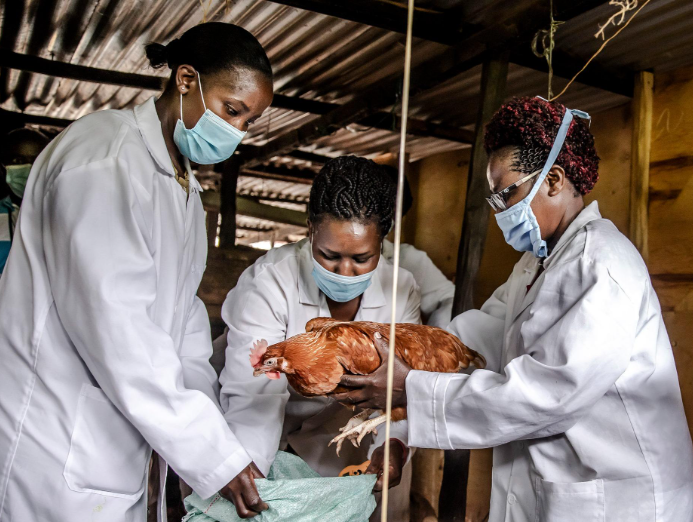
Nigeria is intensifying efforts to contain avian influenza, commonly known as bird flu, through tighter controls on the movement of poultry, stronger disease surveillance and improved biosecurity across the livestock sector.
The Federal Government is working with the Food and Agriculture Organization of the United Nations (FAO) to strengthen measures aimed at preventing infected birds from being transported from affected locations to areas where the disease has not been detected.
The renewed push comes as authorities seek to protect poultry farmers, reduce economic losses and prevent disruptions to the supply of eggs and poultry meat.
At a workshop on strengthening the Nigeria Agricultural Quarantine Service (NAQS), held in Keffi, Nasarawa State, government officials emphasised that controlling animal movement is central to limiting the spread of avian influenza.
Dr Mitchell Alao, Head of the Department of Animal Health and Reproductive Services and National Programme Coordinator of the Avian Influenza Control Programme at the Federal Ministry of Livestock Development, said infected birds must be prevented from leaving affected locations.
He called for stronger surveillance, improved risk communication and closer cooperation among government agencies, farmers, transporters and other stakeholders in the poultry value chain.
Animal movement controls take centre stage
One of the major priorities in Nigeria's response is improving the monitoring and regulation of poultry transportation.
Authorities say infected birds can spread the disease when moved from an affected farm or location to another community. Movement restrictions are therefore intended to contain outbreaks and prevent transmission to unaffected areas.
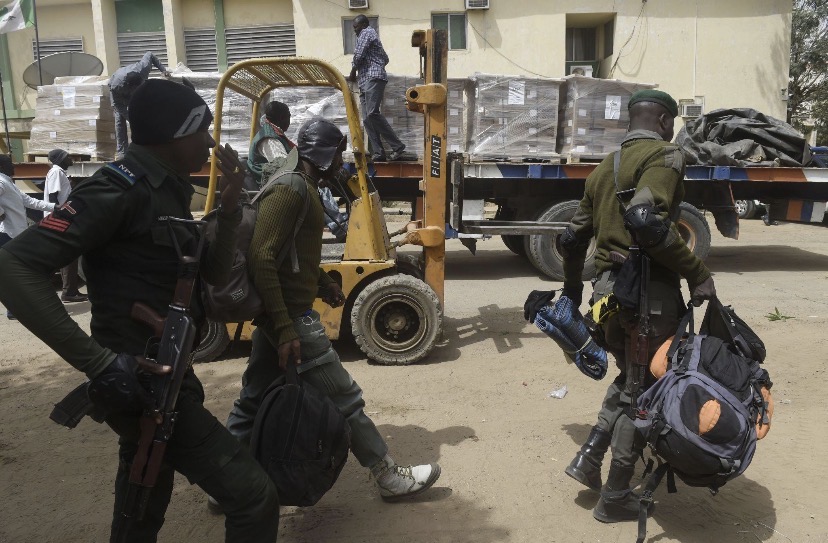
The Nigeria Agricultural Quarantine Service has a central role in monitoring animal transportation and enforcing relevant movement restrictions.
Dr David Shehu, the agency's Zonal Commander for North Central, said stronger monitoring was not intended to stop legitimate livestock trade. Instead, it was designed to protect investments, maintain food safety and preserve jobs across the poultry and livestock industries.
He identified proper documentation, updated control posts, prevention of illegal animal transportation and compliance with biosecurity regulations as important measures.
However, officials also acknowledged challenges, including porous alternative routes, inadequate infrastructure and poor compliance with existing regulations.
An inspection exercise at the Garuku Toll Gate along the Akwanga Road in Kokona Local Government Area was conducted to assess animal transportation procedures and monitoring arrangements.
FAO supports surveillance and emergency response
The latest measures build on a partnership launched earlier in 2026 between Nigeria and the FAO to improve the country's preparedness for highly pathogenic avian influenza (HPAI).
The FAO-supported emergency intervention is valued at US$350,000 and focuses on improving disease detection, laboratory diagnosis, surveillance, biosecurity and communication with poultry farmers.
Under the programme, 240 animal-health personnel are expected to receive training to strengthen the country's frontline capacity to identify and respond to outbreaks. The project also supports the development of predictive tools to improve preparedness and help authorities identify potential disease risks.
The intervention is designed to operate through a One Health approach, which recognises the links between human, animal and environmental health.
The Federal Government has also identified seven pilot states for intensified surveillance, diagnostic support, biosecurity improvements and rapid-response activities.
Digital tools to improve livestock tracking
Technology is another part of the government's containment strategy.
FAO Country Team Lead for Livestock in Nigeria, Dr Otto Vianney, disclosed that the organisation had developed a digital tool for collecting animal-movement data.
The system is expected to improve the monitoring and tracking of livestock transportation, giving relevant authorities better information about how animals move between locations.
Such information could help officials identify potential disease pathways, strengthen inspections and coordinate responses when outbreaks occur.
The workshop also highlighted four pillars of the Good Emergency Management Practices framework: prevention and preparedness; early detection and early response; eradication and recovery; and coordination and communication.
Officials say these areas must work together. Surveillance may identify a suspected outbreak, but effective containment also requires prompt reporting, laboratory confirmation, movement controls and cooperation among relevant agencies.
The government has called for stronger collaboration with security institutions, including the Nigeria Security and Civil Defence Corps and the Nigeria Police Force, as well as state and local authorities.
Poultry farmers face continuing economic risks
Avian influenza remains a serious challenge for Nigeria's poultry industry, which supports farmers, traders, processors, transporters and millions of consumers.
The Federal Ministry of Livestock Development has described the disease as a recurring threat since its first recorded occurrence in Nigeria in 2006. The government also reported confirmed HPAI outbreaks in Kebbi, Kano, Katsina, Plateau and Bauchi states during 2026.
According to the ministry, outbreaks have affected different types of birds, with layer farms particularly impacted. Losses can extend beyond the immediate death or destruction of infected birds, affecting egg supplies, farm operations, employment and the cost of doing business.
The government's response includes a temporary no-vaccination policy while surveillance and biosecurity measures are prioritised, pending scientific evidence that could support a change in approach.
Biosecurity and early reporting remain essential
Authorities are urging poultry farmers and other stakeholders to take preventive measures seriously, particularly when purchasing, transporting or handling birds.
Farm-level biosecurity includes restricting unnecessary visitors, cleaning and disinfecting equipment, controlling access to poultry houses and keeping newly introduced birds separate while their health status is assessed.
Farmers should also report unusual bird deaths, sudden illness or suspected outbreaks promptly to veterinary authorities rather than moving or selling potentially infected birds.
The government and FAO have stressed that public awareness and communication are important because effective disease control depends on cooperation throughout the poultry value chain.
Sustained funding needed to protect the industry
Although the US$350,000 FAO intervention provides support for Nigeria's response, officials have acknowledged the need for sustained investment and stronger institutional capacity.
The Federal Government disclosed that the emergency grant is expected to run until April 2027. Maintaining surveillance, laboratory services, trained personnel and effective movement controls beyond that period will require continued funding and coordination.
For poultry farmers, the outcome of these efforts could have significant consequences for business stability, household incomes and the availability of affordable animal protein.
Nigeria's latest response therefore goes beyond controlling individual outbreaks. It is an effort to strengthen the country's ability to detect animal diseases early, contain their spread and protect a poultry industry that plays an important role in national food security.
Follow AfriView
Don’t Miss the Next Big Story
Enjoyed this story? Stay connected with AfriView for the latest breaking news, trending stories and important updates from Nigeria, Africa and around the world.