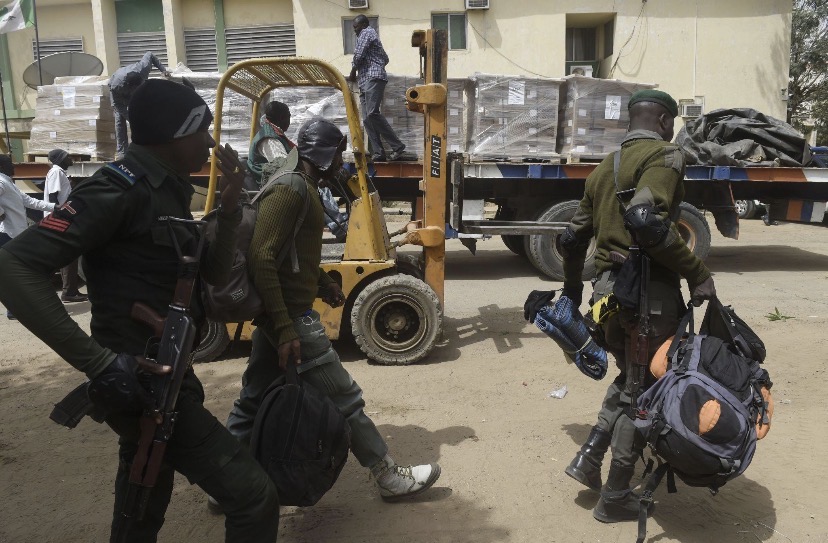
NAFDAC Destroys Over ₦8 Billion Worth of Fake and Banned Products Across North-Central Nigeria
The enforcement exercise in Nasarawa State uncovered large quantities of prohibited alcoholic beverages, counterfeit medicines, expired food products and unsafe cosmetics, renewing concerns about the circulation of harmful goods in Nigerian markets.
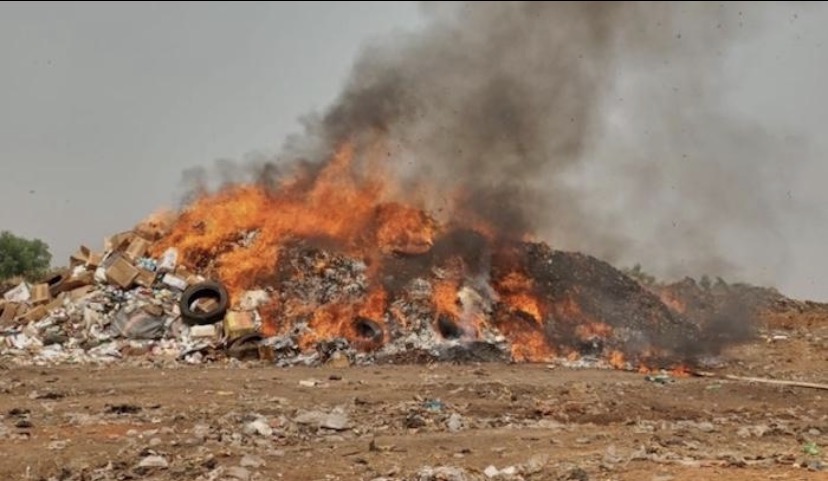
The National Agency for Food and Drug Administration and Control (NAFDAC) has destroyed fake, expired, adulterated and banned products valued at more than ₦8 billion, following enforcement operations across Nigeria’s North-Central region.
The destruction exercise took place in Lafia, the capital of Nasarawa State, on Thursday, October 29, 2026, involving products confiscated from manufacturing facilities, retail outlets, open markets and motor parks.
NAFDAC Director-General, Professor Mojisola Adeyeye, disclosed the development through a representative, Joseph Edor, the agency’s North-Central Coordinator.
According to the agency, a significant proportion of the confiscated products consisted of prohibited alcoholic beverages packaged in sachets and small containers containing less than 200 millilitres.
Other items destroyed included counterfeit and expired medicines, adulterated food products and unapproved cosmetics considered unsafe for consumption or use.
The operation forms part of NAFDAC’s ongoing efforts to prevent dangerous products from reaching consumers and strengthen regulatory compliance within Nigeria’s food, drug and consumer goods industries.
Explaining the reason behind the restrictions on small-packaged alcoholic beverages, Adeyeye said their affordability, portability and widespread availability made them particularly accessible to young people, including underage schoolchildren.
She warned that early exposure to alcohol could have serious consequences for brain development and other vital organs, including the liver and kidneys.
According to her, alcohol consumption among young people can also contribute to addiction, impaired academic performance, reduced productivity and other health complications.
The restrictions on alcoholic beverages packaged in sachets and small containers were introduced to address concerns about excessive consumption and the accessibility of alcohol to vulnerable groups.
NAFDAC has continued enforcement activities against manufacturers, distributors and retailers found violating the applicable regulations.
The agency also emphasised that its mandate extends beyond alcohol regulation to ensuring that medicines, food, cosmetics and other regulated products meet established safety and quality requirements before they are distributed or sold to the public.
The destruction exercise received support from other government agencies, including the National Drug Law Enforcement Agency (NDLEA) and relevant state authorities.
Representatives of the collaborating agencies commended NAFDAC for its enforcement activities and highlighted the importance of cooperation in identifying, confiscating and removing unsafe products from circulation.
NAFDAC’s Nasarawa State Coordinator, Gyani Stephen, explained that the destruction exercise was not intended to punish businesses arbitrarily but to protect public health and prevent avoidable harm.
He urged traders and manufacturers involved in the production and distribution of prohibited products to discontinue such activities or risk facing legal consequences.
The scale of the confiscated goods highlights the challenges facing Nigeria’s consumer protection and regulatory systems.
Counterfeit medicines, for instance, pose serious risks because they may contain incorrect ingredients, inadequate quantities of active substances or potentially harmful contaminants.
Patients who unknowingly purchase such products may experience treatment failure, worsening medical conditions or additional complications.
The circulation of expired and adulterated food products also presents risks, particularly when consumers cannot easily identify unsafe goods before purchasing or consuming them.
Cosmetic products manufactured or distributed without appropriate safety standards can similarly expose users to harmful substances and adverse reactions.
For many Nigerians, the problem is further complicated by the affordability of unregulated products, especially in communities where consumers may have limited access to reliable alternatives.
However, removing unsafe products from markets requires more than occasional destruction exercises. It also depends on effective monitoring, intelligence gathering, public education and consistent prosecution of individuals and businesses responsible for regulatory violations.
Consumers also have a role to play by checking product registration details, expiry dates, packaging information and other identifying features before making purchases.
NAFDAC has repeatedly encouraged Nigerians to report suspicious products and avoid purchasing medicines from unlicensed vendors.
The agency’s latest operation sends another warning to businesses involved in the distribution of counterfeit and prohibited goods.
With more than ₦8 billion worth of products removed from circulation, the exercise represents a significant enforcement development. However, the long-term effectiveness of such operations will depend on preventing the same products from returning to the market through other distribution channels.
As Nigeria continues to confront the circulation of unsafe consumer goods, stronger regulatory enforcement and public awareness remain essential to protecting consumers and improving confidence in the country’s markets.
Follow AfriView
Don’t Miss the Next Big Story
Enjoyed this story? Stay connected with AfriView for the latest breaking news, trending stories and important updates from Nigeria, Africa and around the world.