Olam Agri Begins Construction of $70 Million Feed Mill in Delta, Targets Poultry and Fish Farmers
Ogwashi-Uku facility will combine poultry and aquaculture feed production with large-scale storage capacity, strengthening local supply chains and expanding Nigeria’s animal feed manufacturing infrastructure.
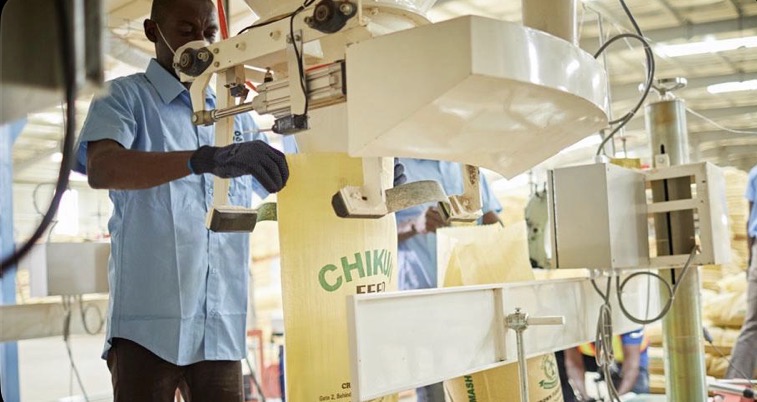
Agribusiness company Olam Agri has commenced construction of a $70 million integrated animal feed manufacturing facility in Ogwashi-Uku, Delta State, in a development expected to strengthen Nigeria’s agricultural value chain and improve access to animal feed across the South-South and South-East regions.
The groundbreaking ceremony, held on Wednesday, November 4, 2026, was performed by Delta State Governor Sheriff Oborevwori, marking a significant expansion of the company’s investment in Nigeria’s agricultural and food production sector.
The project follows Olam Agri’s acquisition of approximately 99.99 hectares of land in Ogwashi-Uku for the development of the facility.
When completed, the integrated feed mill will feature a poultry feed production plant with a capacity of 1,500 tonnes per day, an aquaculture feed mill capable of producing 300 tonnes daily and silo bag storage infrastructure with a capacity of 125,000 tonnes.
The facility is expected to be completed and operational in 2027.
Addressing animal feed supply challenges
The investment comes amid persistent challenges facing Nigeria’s poultry and aquaculture industries, particularly the high cost and limited accessibility of animal feed.
Feed is one of the largest operating expenses for poultry and livestock farmers, with its cost significantly influencing the prices of eggs, chicken, meat and other animal products.
Farmers in the South-South and South-East regions have also faced additional transportation and distribution expenses because of their dependence on feed supplies transported from production centres in other parts of the country.
According to Olam Agri, establishing the new facility closer to customers in these regions will improve product accessibility, strengthen distribution efficiency and reduce dependence on supplies transported from the South-West.
The company expects the investment to support poultry farmers, aquaculture operators and other livestock producers through increased access to locally manufactured feed.
What the new facility will produce
The integrated facility is designed to combine two major areas of animal feed production.
Its poultry feed mill will have a production capacity of 1,500 tonnes per day, while the aquaculture feed mill will produce up to 300 tonnes daily.
The project will also include 125,000 tonnes of silo bag storage capacity to support the handling and storage of agricultural raw materials and feed-related products.
These facilities are expected to strengthen the company’s existing animal feed and poultry breeding operations while expanding its manufacturing capacity in Nigeria.
Beyond production, the location of the facility is strategically important because it positions the company closer to agricultural markets in the South-South and South-East, potentially improving access for farmers who currently depend on longer supply routes.
Delta State government welcomes investment
Speaking at the groundbreaking ceremony, Governor Oborevwori described the project as an important development for the state’s agricultural and industrial sectors.
He highlighted its potential to stimulate economic activities, create employment opportunities and strengthen livestock and agricultural value chains.
The governor also reaffirmed his administration’s commitment to creating an enabling environment for businesses and attracting investments capable of supporting economic development.
He noted that the project reflects the state’s efforts to attract private-sector participation in agriculture and improve the economic opportunities available to local communities.
The traditional ruler of Ogwashi-Uku, Obi Ifechukwudi Okonjo II, also welcomed the investment, expressing optimism that residents would benefit from the economic opportunities associated with the project.
He emphasised the importance of ensuring that members of the host community participate in the opportunities the development is expected to create.
Implications for Nigeria’s food production sector
The development comes at a time when Nigeria continues to face pressure to improve domestic food production, reduce agricultural production costs and strengthen local food supply chains.
The poultry and aquaculture industries play important roles in providing affordable sources of animal protein and supporting livelihoods across the country.
However, high production costs, inadequate infrastructure, inconsistent access to quality inputs and distribution challenges continue to affect farmers’ operations.
By increasing domestic feed manufacturing capacity, the new investment could contribute to improving the availability of essential agricultural inputs.
It could also create additional demand for raw materials such as maize and soybeans, which are important components of animal feed production, potentially providing opportunities for local crop farmers.
Nevertheless, the extent to which the investment will reduce feed prices and improve food affordability will depend on production costs, raw material availability, distribution efficiency and the prices at which the finished products reach farmers.
A wider investment in African food processing
The Delta project also forms part of Olam Agri’s wider investment plans across Africa.
The company recently announced plans to invest approximately $400 million in food processing and manufacturing operations across selected African markets through 2028.
Its expansion plans include additional investments in animal feed manufacturing and other food processing operations as demand for processed food and animal protein continues to grow.
For Nigeria, investments in agricultural processing infrastructure could help strengthen local manufacturing, support farmers and reduce dependence on externally sourced agricultural products.
As construction progresses in Ogwashi-Uku, attention will turn to the project’s completion timeline, employment opportunities for surrounding communities and its eventual impact on the cost and availability of animal feed.
The investment represents another major private-sector commitment to Nigeria’s agricultural industry, although its long-term benefits will ultimately depend on how effectively the additional production capacity translates into improved conditions for farmers and consumers.
Follow AfriView
Don’t Miss the Next Big Story
Enjoyed this story? Stay connected with AfriView for the latest breaking news, trending stories and important updates from Nigeria, Africa and around the world.