Kano Farmers No Longer Have to Wait for Rain to Grow Their Crops
Better access to water and improved rural roads are creating opportunities for farmers to cultivate crops beyond the rainy season, although costs and maintenance remain concerns.
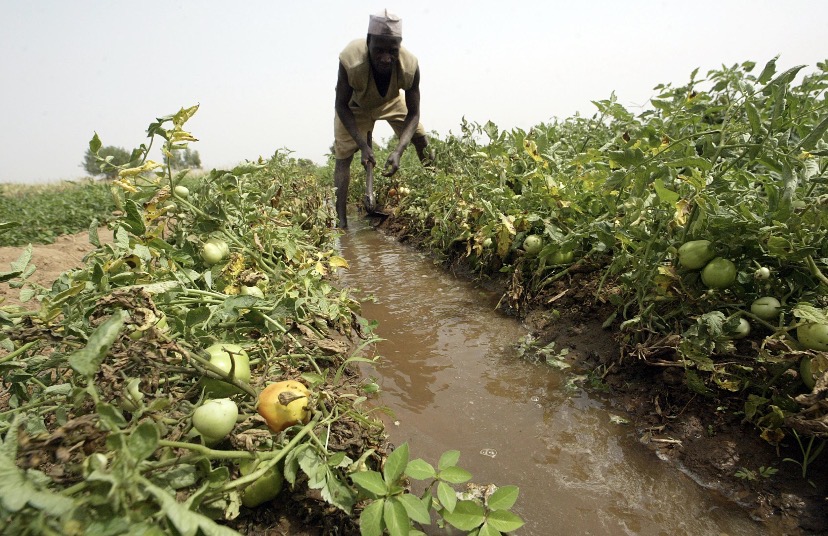
For some farmers in Kano State, the end of the rainy season once meant that their farming activities had to slow down or stop. Without dependable access to water, growing crops during the dry months could require expensive pumping equipment and improvised ways of storing water.
That situation is beginning to change in some communities, where improvements to irrigation facilities and rural roads are creating opportunities for farmers to cultivate land beyond the traditional rainy season.
Faruku Musa Haruna, a farmer in Kumfada, Garko Local Government Area, previously joined other farmers in contributing money to buy plastic sheets used to collect water for irrigating small plots of farmland.
The farmers’ access to irrigation has improved, making it easier to direct water to their fields.
The change could allow farmers to maintain production for longer periods of the year instead of depending entirely on rainfall.
From struggling for water to planning more harvests
Haruna currently grows vegetables including carrots, onions, tomatoes and peppers. With more dependable access to irrigation, he hopes to expand into crops such as rice and wheat.
For smallholder farmers, the ability to cultivate during the dry season can create additional opportunities to earn income, provide work for farm labourers and supply produce to markets when rainfall-dependent production declines.
However, access to water alone does not guarantee that farmers will make more money. Seeds, fertiliser, labour, transport and market prices continue to determine whether an additional harvest is profitable.
Farmers also need to understand how much water different crops require and how to manage soil fertility to avoid wasting resources.
What is changing in Kano?
Recent reports describe interventions around the Tiga, Challawa-Gorge and Kafin Chiri dams, combining irrigation improvements with rural road construction and other infrastructure projects.
The aim is to make water more accessible to farming communities while improving the movement of produce from farms to markets.
Better roads can reduce the difficulty of transporting vegetables and other perishable crops, which may spoil or lose value when farmers cannot reach buyers quickly.
Improved irrigation can also give farmers greater control over planting schedules. Rather than waiting exclusively for rainfall, growers may be able to plan production around water availability, crop requirements and market demand.
The benefits, however, depend on how reliably the infrastructure operates and whether smallholder farmers can access it fairly.
The challenge does not end with irrigation
Agricultural specialists have stressed the importance of training farmers to use irrigation water effectively and improve crop management.
Without appropriate training, farmers may waste water, apply fertiliser inefficiently or select crops that do not offer sufficient returns under local conditions.
Maintenance is another concern. Irrigation systems require functioning equipment, reliable water distribution and arrangements for repairs when facilities break down.
Farmers must also have access to affordable inputs and markets that can absorb additional production at reasonable prices.
If many farmers harvest the same crop simultaneously, increased production may put downward pressure on farm-gate prices unless storage, processing and market access improve as well.
Could this change food production?
Kano’s experience illustrates how irrigation can help reduce dependence on seasonal rainfall. If infrastructure remains functional and farmers receive the necessary support, dry-season cultivation could create additional production opportunities.
It does not automatically mean that food prices will fall or that every farmer will benefit equally. Those outcomes will depend on the scale of production, transportation costs, market conditions and the long-term management of the projects.
For farmers such as Haruna, the immediate opportunity is more practical: access to water may allow them to continue working their land when they previously had few options.
Whether the improvements deliver lasting gains will depend on keeping irrigation systems operational, expanding access and ensuring that increased production translates into sustainable livelihoods.
Follow AfriView
Don’t Miss the Next Big Story
Enjoyed this story? Stay connected with AfriView for the latest breaking news, trending stories and important updates from Nigeria, Africa and around the world.