Experts Call for Better Soil Data to Improve Farming in Nigeria
Experts at the 2026 Nigeria Fertiliser Summit have called for improved soil information and targeted fertiliser recommendations to help farmers increase crop yields, reduce waste and improve agricultural productivity.
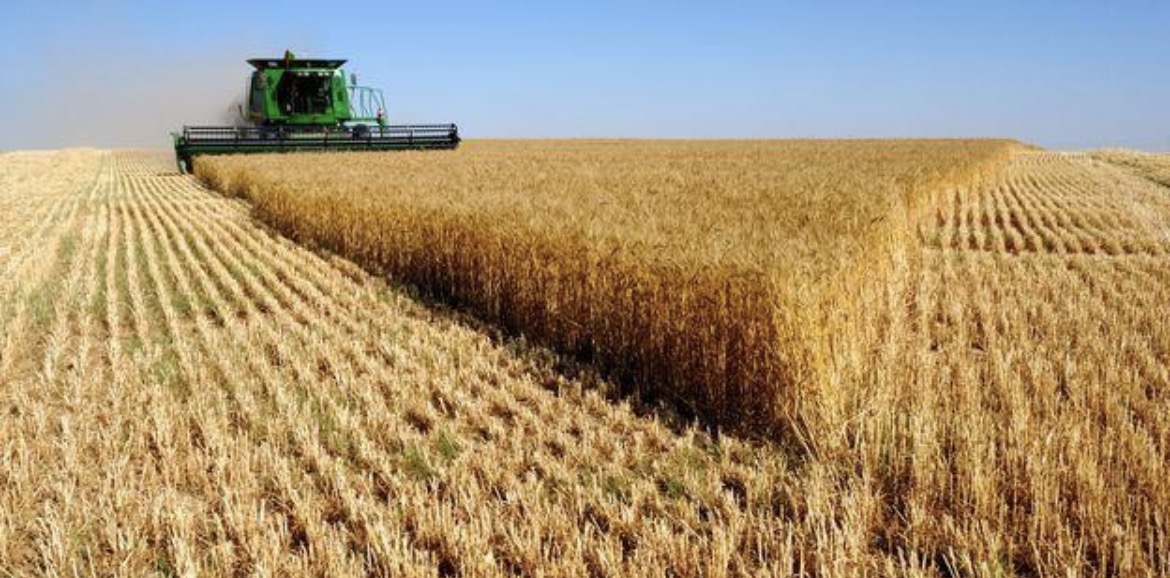
Agricultural experts have called for better soil data and more targeted fertiliser recommendations to improve farming productivity in Nigeria, stressing the importance of matching nutrient applications to the specific needs of crops and farmland.
The recommendation was raised at the 2026 Nigeria Fertiliser Summit, where discussions focused on how reliable soil information could help farmers make better decisions about fertiliser use and improve agricultural production.
The approach aims to move farmers away from applying fertilisers without sufficient knowledge of their soil conditions. Instead, farmers would receive recommendations based on the nutrients their fields require, helping them use agricultural inputs more efficiently.
The call comes as Nigeria continues to face the challenge of improving food production while managing the costs of farming inputs.
Why Soil Information Matters
Soil provides crops with essential nutrients, water and physical support. However, soil conditions can vary significantly from one location to another, and even between neighbouring farms.
Some soils may lack nitrogen, phosphorus or potassium, while others may contain sufficient quantities of particular nutrients but require improvements in different areas.
Applying the same fertiliser formula everywhere may therefore produce inconsistent results.
Experts argue that better soil information can help farmers understand the condition of their land and identify the nutrients required for healthy crop development.
Soil testing can measure important characteristics, including nutrient levels, acidity and other properties that influence plant growth. The results can then guide recommendations on the type, quantity and timing of fertiliser application.
This approach could help farmers avoid spending money on nutrients their crops do not need while ensuring that essential nutrients are supplied where deficiencies exist.
Improving Fertiliser Efficiency
Fertiliser is an important agricultural input, but its cost can place considerable pressure on farmers’ budgets.
When fertiliser is applied incorrectly or in unsuitable quantities, farmers may fail to achieve the expected improvements in crop yields. Poor application practices can also contribute to nutrient losses and environmental problems.
Targeted fertiliser recommendations could help address these challenges by guiding farmers towards more appropriate products and application rates.
For example, a farmer whose soil lacks a particular nutrient could receive advice on how to address that deficiency rather than relying on a general fertiliser recommendation.
Such guidance could improve nutrient uptake, support crop development and help farmers get greater value from their spending.
However, the benefits depend on the quality of soil data, the accuracy of recommendations and farmers’ ability to obtain the recommended fertilisers.
Potential Benefits for Food Production
Better soil information could support the production of important Nigerian crops, including maize, rice, cassava and other staples.
When crops receive the nutrients they require, they may develop more effectively and produce higher yields, provided other growing conditions are favourable.
Improved productivity could help farmers increase output from existing farmland and potentially reduce the pressure to expand cultivation into additional areas.
More reliable soil data could also help agricultural advisers, researchers and policymakers identify areas where soil fertility requires attention.
Over time, this information could support more effective agricultural planning and improve decisions about fertiliser distribution, extension services and soil management programmes.
Nevertheless, soil data alone cannot resolve every challenge facing Nigerian agriculture. Farmers also need access to quality seeds, irrigation where necessary, financing, suitable equipment, reliable markets and effective extension services.
Challenges to Implementation
Making soil testing and targeted fertiliser recommendations widely available may require investment in laboratories, field-testing services, digital information systems and trained agricultural advisers.
Smallholder farmers could face difficulties accessing these services if testing is expensive or facilities are located far from their communities.
Experts and agricultural stakeholders would therefore need to consider affordable testing options and practical ways to deliver recommendations directly to farmers.
Training is equally important. Farmers must understand how to interpret soil information and apply fertilisers correctly to achieve the intended results.
Reliable data collection and regular updates would also be necessary because soil conditions and farming practices can change over time.
The Way Forward
The call at the 2026 Nigeria Fertiliser Summit highlights the importance of using reliable agricultural information to guide decisions about fertiliser application.
If effectively implemented, improved soil data and targeted recommendations could help Nigerian farmers reduce unnecessary spending, improve nutrient management and strengthen crop productivity.
The next step will be ensuring that soil information is accurate, affordable and accessible to farmers across different regions.
By matching fertiliser use to the actual needs of the soil and crops, Nigeria could improve the efficiency of agricultural inputs while supporting efforts to increase food production.
Follow AfriView
Don’t Miss the Next Big Story
Enjoyed this story? Stay connected with AfriView for the latest breaking news, trending stories and important updates from Nigeria, Africa and around the world.