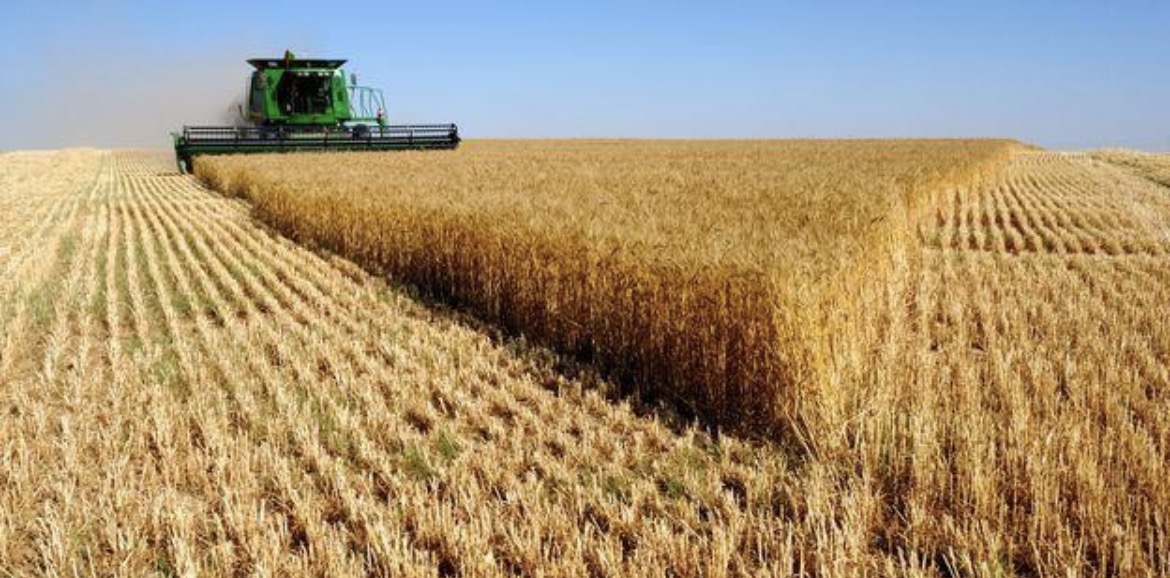
Nigerian Maize Prices Face Pressure From Increased Supply
Increased harvest supplies are putting pressure on maize prices in Nigeria, with a reported average of ₦319.93 per kilogram falling below the stated guaranteed minimum price of ₦350.
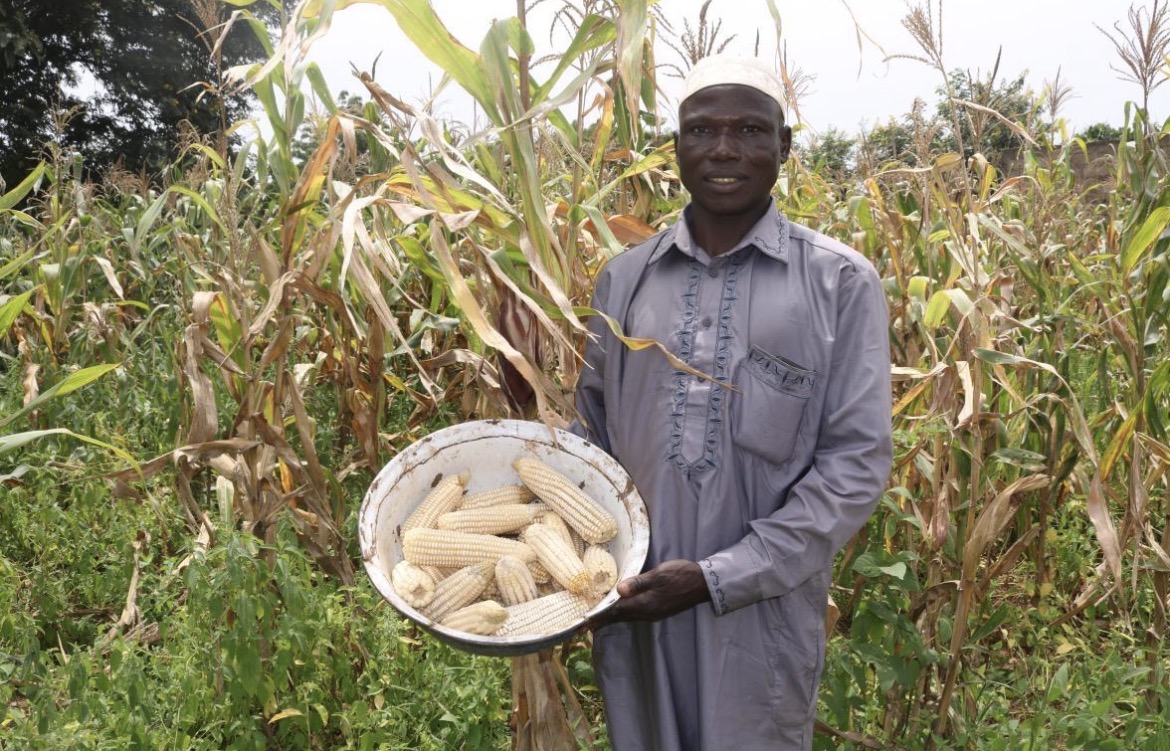
Maize prices in Nigeria are facing downward pressure as increased harvest supplies enter agricultural markets, raising concerns about the income of farmers who depend on the crop for their livelihoods.
Agricultural market reporting in October 2026 placed maize prices at approximately ₦319.93 per kilogram, below a reported guaranteed minimum price of ₦350 per kilogram. The difference highlights the challenges farmers may face when market prices decline during periods of increased supply.
Although lower prices could provide some relief to buyers, livestock producers and food-processing businesses, they may reduce the earnings of farmers who are selling their harvested maize at lower rates.
Increased Harvest Supplies Put Pressure on Prices
Maize is one of Nigeria’s important staple crops and a key ingredient in many food products. It is also widely used in animal feed and various industrial processes.
When farmers harvest their crops around the same period, the amount of maize available in local markets can increase significantly. If demand does not rise at the same pace, traders may lower their buying prices to manage the additional supply.
This seasonal pattern appears to be contributing to the current pressure on maize prices.
For farmers who need to sell quickly to cover production expenses, repay loans or prepare for another planting season, falling prices can create financial difficulties. Some may have limited storage facilities and therefore lack the option of holding their produce until market conditions improve.
However, the scale of the price decline may vary across states, markets and regions depending on transportation costs, local demand, crop quality and the availability of storage.
Farmers Face Possible Income Reductions
The reported price of ₦319.93 per kilogram is approximately ₦30.07 below the stated minimum price of ₦350.
For farmers selling large quantities, that difference could have a noticeable effect on their revenue.
For example, a farmer selling one tonne of maize at ₦319.93 per kilogram would receive approximately ₦319,930 before transportation, storage, labour and other expenses. At ₦350 per kilogram, the same quantity would generate ₦350,000, creating a difference of ₦30,070.
The figures illustrate why even a seemingly modest price gap can matter to producers operating with narrow profit margins.
Farmers who invested in seeds, fertilisers, chemicals, machinery and hired labour may find it harder to recover their costs if selling prices remain depressed.
Nevertheless, the actual effect on individual farmers will depend on their production costs, yields, location and the prices available to them.
Lower Prices Could Benefit Buyers
While falling maize prices may hurt producers, they could benefit some buyers.
Feed manufacturers and poultry farmers rely on maize as an important ingredient in animal feed. Lower prices may reduce their production expenses, potentially easing some of the financial pressure facing the livestock industry.
Food processors and traders may also benefit if lower wholesale prices translate into reduced costs.
Consumers, however, may not immediately notice cheaper maize or food products. Retail prices are influenced by other factors, including transportation, processing, storage, energy costs and traders’ margins.
Consequently, a reduction in farm-gate prices does not automatically guarantee an equivalent reduction in the prices paid by households.
Storage and Market Access Remain Important
Improving access to storage facilities could help farmers manage seasonal price fluctuations by allowing them to preserve their crops and avoid selling immediately after harvest.
Better market information, affordable financing and stronger links between farmers and large-scale buyers could also improve their bargaining position.
However, storing maize requires appropriate facilities to prevent moisture damage, pests and other losses. Farmers also need access to finance to cover their expenses while waiting for potentially better prices.
The reported minimum price of ₦350 per kilogram also requires clarification regarding the programme or organisation responsible for setting it, the locations covered and whether it represents a guaranteed purchase price or a reference benchmark.
Outlook
Nigeria’s maize market will continue to be influenced by harvest volumes, demand from food and feed producers, transportation costs and the ability of farmers to store their crops.
The reported price of ₦319.93 per kilogram suggests that increased supply may be creating difficulties for producers, even as lower prices offer potential benefits to some buyers.
For farmers, the key concern is whether market prices will remain high enough to cover production costs and support future planting.
Editorial note: Afriview should verify the source, reporting period and geographical coverage of the ₦319.93-per-kilogram figure, as well as the terms of the stated ₦350 minimum price, before publication.
Follow AfriView
Don’t Miss the Next Big Story
Enjoyed this story? Stay connected with AfriView for the latest breaking news, trending stories and important updates from Nigeria, Africa and around the world.