World Bank-Backed Investment Plans Target Nigerian Agriculture
The initiatives aim to improve farm productivity, support smallholder farmers, attract private-sector investment and strengthen Nigeria’s food supply chains.
Nigeria’s agricultural sector is set to benefit from investment initiatives backed by the World Bank Group, with plans aimed at improving farm productivity, attracting private capital, strengthening agricultural value chains and creating jobs.
Nigeria’s agricultural sector is emerging as a major focus of investment plans supported by the World Bank Group, as the country seeks to improve food production, strengthen farmers’ incomes and expand opportunities across the agricultural value chain.
The initiatives include the Nigeria Sustainable Agricultural Value-Chains for Growth (AGROW) Project, a $500 million programme approved by the World Bank in March 2026. The project is designed to improve the productivity of smallholder farmers, strengthen links between farmers and businesses, and contribute to food and nutrition security.
The World Bank Group has also highlighted a broader effort to mobilise up to $5.79 billion in private financing across Nigeria’s economy during the 2026 fiscal year. The financing strategy covers several sectors, including agriculture, digital infrastructure and small-business development. The $5.79 billion figure is not an agriculture-only allocation. (World Bank)
World Bank Project Targets One Million Farmers
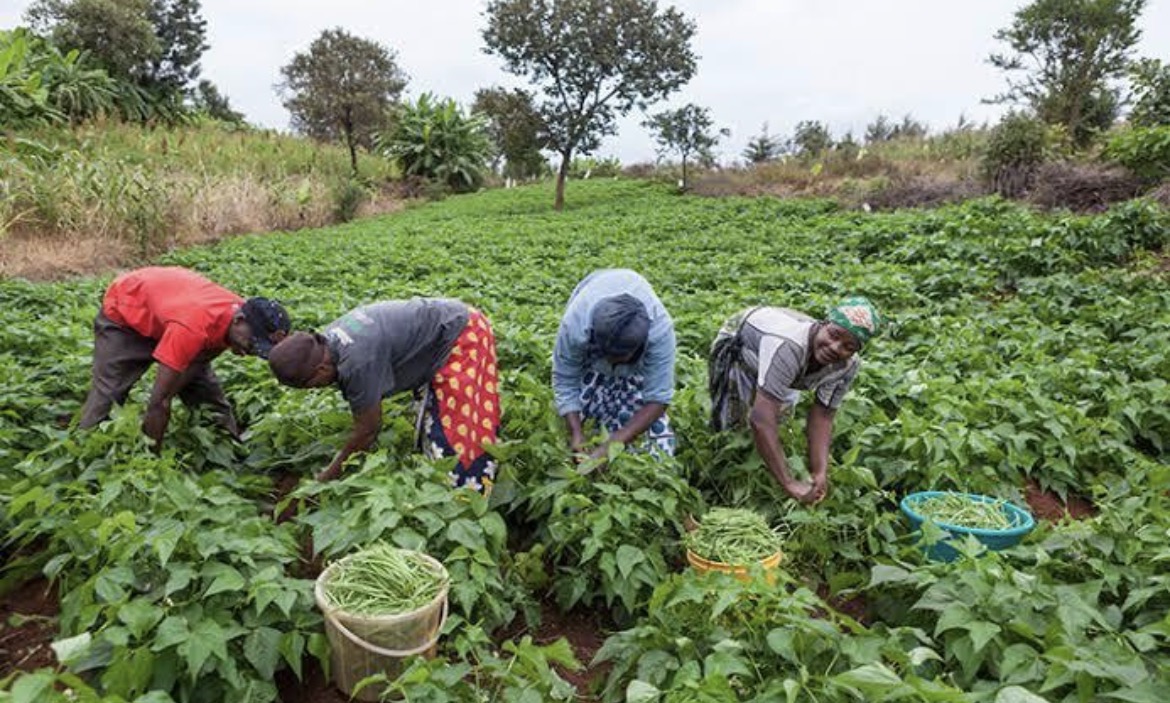
A major component of the agricultural investment strategy is the AGROW Project, which is expected to benefit up to one million smallholder farmers across participating states in Nigeria.
The project aims to address some of the challenges limiting agricultural production, including inadequate access to quality seeds and fertilisers, low farm productivity, climate-related risks and weak connections between producers and markets.
According to the World Bank, the six-year project is expected to mobilise an additional $220 million in private investment from agribusinesses. It will encourage businesses to work more closely with smallholder farmers by supporting activities such as produce aggregation, post-harvest handling, processing and improved market access.
The initiative is also expected to support women and young people involved in agriculture, while encouraging a more commercially viable farming system.
By connecting farmers with businesses that buy, process and distribute agricultural produce, the programme seeks to help small-scale producers move beyond subsistence farming and participate more effectively in the wider food economy. (World Bank)
Rice, Maize, Cassava and Soybeans Among Priority Crops
The AGROW Project will focus on selected agricultural value chains, including rice, maize, cassava and soybeans.
These crops are important to Nigeria’s food supply, agricultural businesses and domestic markets. Improving their production and processing could help strengthen the availability of essential food products while creating opportunities for farmers, traders, processors and other participants in the supply chain.
The project will support agricultural research and extension services, with the aim of improving farmers’ access to information, better farming methods and improved crop varieties.
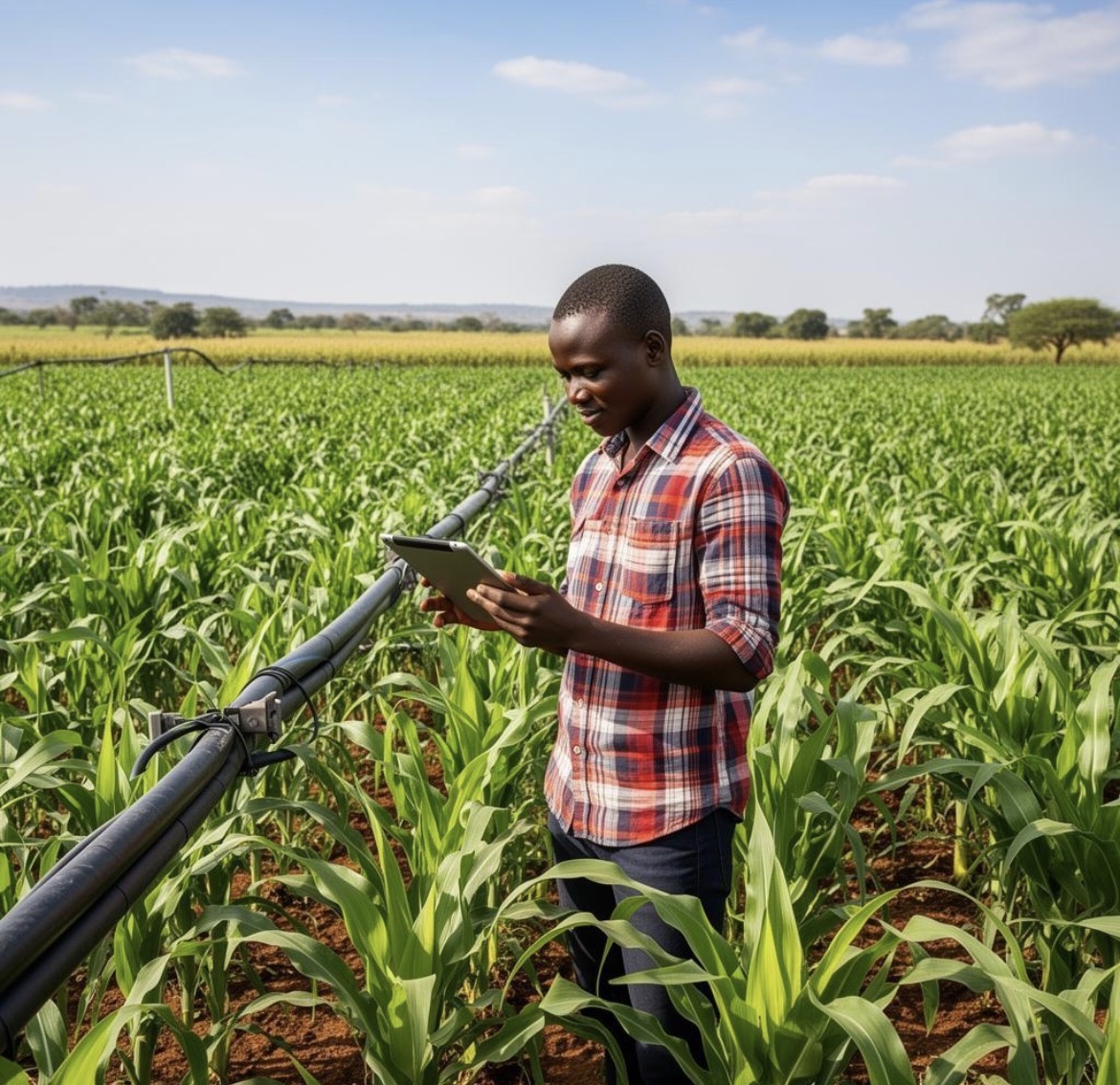
It will also promote the use of climate-resilient seeds and digital advisory services. These services are expected to provide farmers with relevant weather and climate information to help them make better production decisions.
The programme further includes plans to establish a national digital farm and farmer registry. Such a system could help improve agricultural planning, identify farmers who need support and strengthen the delivery of relevant services.
However, the overall impact will depend on how effectively the programme is implemented and how accessible its benefits are to farmers in participating states. (World Bank)
Private Investment Expected to Strengthen Agricultural Businesses
Beyond direct support for farmers, the investment plans seek to encourage private companies to invest in agricultural production, processing and distribution.
One of the challenges facing Nigeria’s agricultural sector is the limited connection between small-scale farmers and larger commercial markets. Farmers may produce crops but struggle to access storage facilities, processing equipment, reliable buyers and affordable financing.
The World Bank-backed approach seeks to address these gaps by supporting agribusinesses that source produce from smallholder farmers.
Investment in processing and post-harvest handling could help reduce losses, improve the quality of agricultural products and allow more produce to reach consumers and markets.
Stronger commercial relationships between farmers and agricultural businesses could also encourage farmers to increase production when they have more reliable opportunities to sell their harvests.
The World Bank Group’s wider investment strategy combines development financing, policy support and mechanisms intended to attract private capital. Its stated objective is to use development funding to help create conditions in which businesses and investors are more willing to finance productive activities. (World Bank)
Fertiliser Supply and Access to Quality Seeds
Access to affordable agricultural inputs remains an important issue for Nigerian farmers, particularly those who face rising production costs.
The World Bank Group has identified domestic fertiliser production as another part of its broader effort to support agricultural value chains. Financing involving Dangote Industries and Indorama Fertilizer is intended to strengthen domestic production capacity and improve access to fertiliser.
The two projects have a combined annual production capacity of 6.8 million metric tonnes, according to the World Bank Group.
The AGROW Project will also support improvements to seed and fertiliser regulatory systems, expand the supply of early-generation seeds and encourage private-sector production of quality seeds.
If successfully implemented, these measures could help improve access to agricultural inputs and support farmers seeking to increase yields.
Nevertheless, increased production capacity alone does not guarantee that all farmers will obtain fertiliser and seeds at affordable prices. Distribution, transportation costs, financing and access to local markets will remain important factors. (World Bank)
Food Security and Job Creation Remain Key Objectives
Nigeria’s agricultural sector provides livelihoods for millions of people, but farmers continue to face difficulties linked to low productivity, climate shocks, limited financing and inadequate market access.
The investment initiatives are intended to address some of these challenges while supporting wider economic growth.
Higher farm productivity could increase the supply of agricultural produce, while stronger processing and distribution networks could create additional employment opportunities in rural communities.
The participation of women and young people is also an important element of the AGROW Project, particularly as Nigeria seeks to expand economic opportunities beyond traditional sources of employment.
However, the success of the investment plans will depend on transparent implementation, effective monitoring and the ability of eligible farmers and businesses to access the support being provided.
Implementation Will Determine the Impact
Although the World Bank-backed initiatives present opportunities for Nigerian agriculture, their long-term results will depend on how effectively the programmes translate investment commitments into practical benefits.
Farmers will need access to reliable inputs, useful extension services, suitable financing and dependable markets. Agricultural businesses will also require conditions that support investment in processing, storage and distribution.
Clear information about eligibility, participating states and the process for accessing support will be important to ensure that intended beneficiaries can participate.
For Nigeria, the central challenge is to turn agricultural investment into measurable improvements in food production, farmers’ incomes and employment.
If implemented effectively, the World Bank-backed plans could help strengthen agricultural value chains and encourage more private investment in the sector. Their ultimate significance, however, will be measured by the benefits farmers and agricultural businesses experience on the ground.