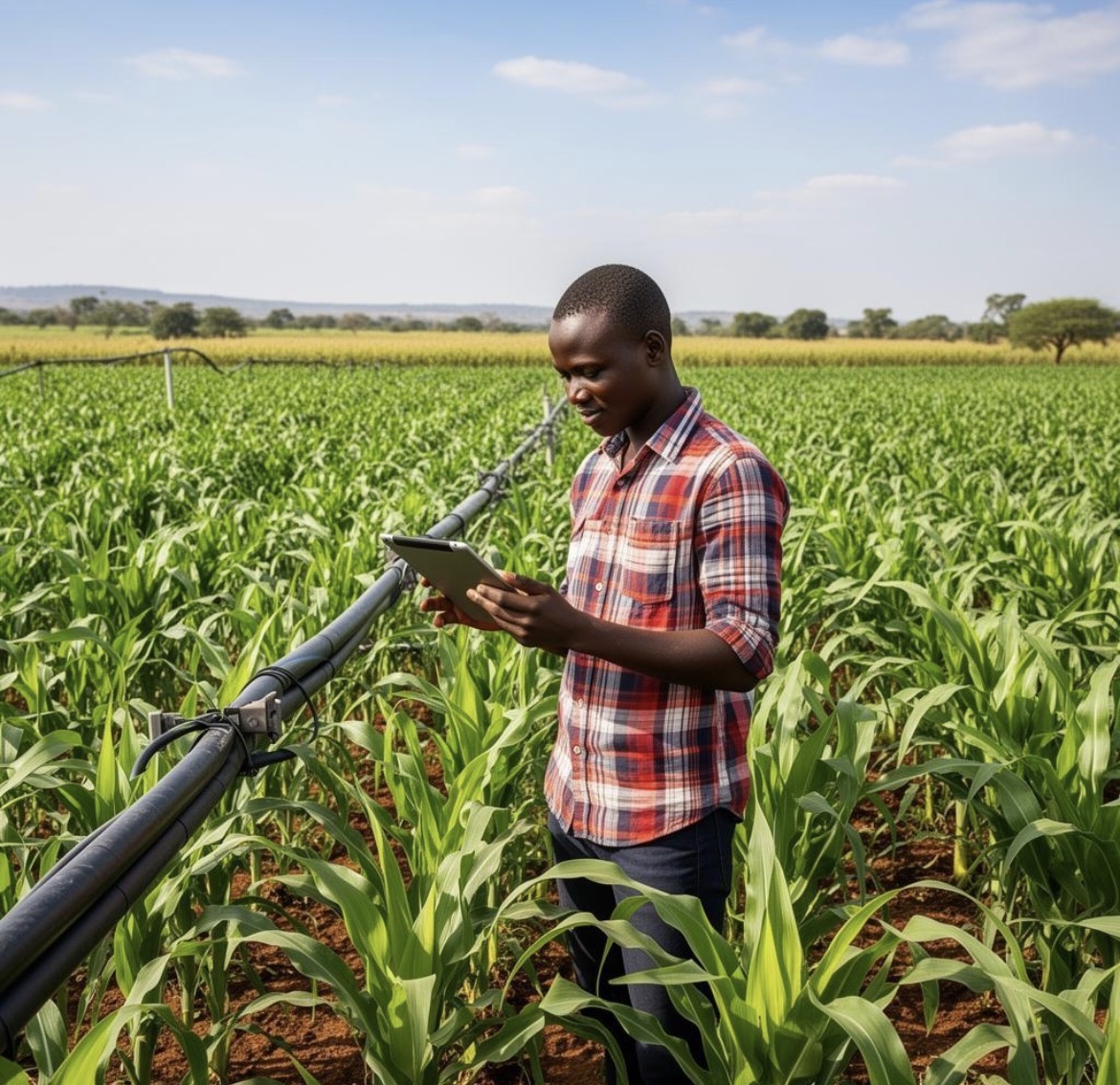
Rising Energy Costs Put Pressure on Global Food Production
Higher energy prices are increasing the cost of fertiliser, irrigation, transportation and food processing, putting additional financial pressure on farmers and food businesses worldwide.
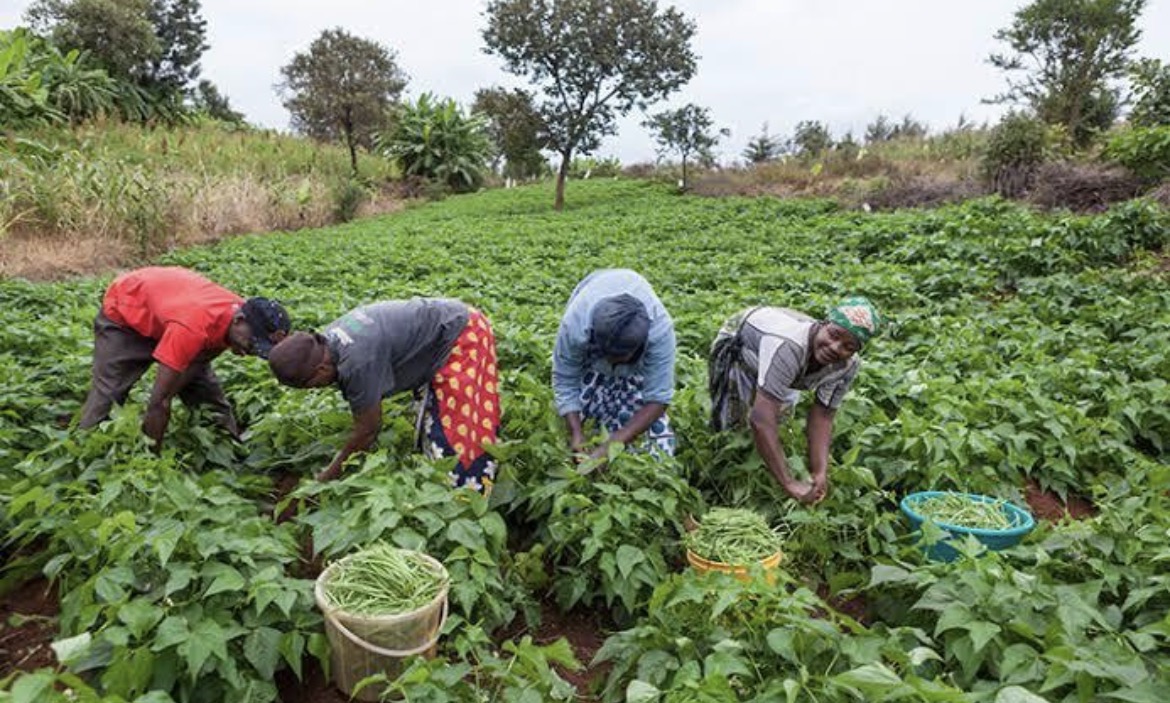
Rising energy prices are increasing pressure on global food production, raising costs for fertiliser, irrigation, transportation and food processing while creating additional challenges for farmers, agricultural businesses and consumers.
Global food production is facing mounting cost pressures as rising energy prices increase the expenses associated with growing, processing and transporting agricultural products. The development highlights the close relationship between energy markets and food security, particularly in countries that depend heavily on imported fuel, fertiliser and other agricultural inputs.
Energy is essential throughout the food production chain. Farmers rely on fuel to operate tractors, harvesters, irrigation pumps and other machinery, while fertiliser manufacturers use energy-intensive processes to produce nutrients required for crop growth. Food processors, storage facilities and transport companies also depend on reliable and affordable energy supplies.
When energy prices rise, these expenses can increase across the agricultural sector, potentially reducing farmers’ profit margins and contributing to higher food prices.
The United Nations World Food Programme has warned that disruptions affecting major trade routes can influence the movement of fuel, fertiliser and food, creating consequences for food security far beyond the regions directly affected. Its October 2026 report highlights the risks associated with disruptions to important shipping routes, including the Strait of Hormuz, the Red Sea and the Black Sea.
Fertiliser Production Faces Higher Costs
One of the most significant connections between energy prices and agricultural production is fertiliser manufacturing.
Natural gas is a major input in the production of nitrogen-based fertilisers, including ammonia and urea. When gas prices increase or supplies become disrupted, manufacturers can face higher production expenses, which may eventually be reflected in fertiliser prices.
More expensive fertiliser creates difficulties for farmers who depend on these products to maintain soil fertility and improve crop yields.
Smallholder farmers can be particularly vulnerable because they often have limited financial resources and fewer options for absorbing unexpected increases in production costs.
When fertiliser becomes unaffordable, some farmers may reduce the quantity they apply, delay purchases or switch to crops requiring fewer purchased inputs. These decisions may affect yields and future food supplies, depending on local growing conditions and the availability of alternatives.
The United Nations Conference on Trade and Development has highlighted the relationship between disruptions to energy and fertiliser supplies, rising input costs and risks to agricultural production. Its analysis also notes that transport disruptions can increase the cost of moving fertiliser and other commodities between countries.
Irrigation and Farm Operations Become More Expensive
Energy costs also influence the daily operations of farms.
In areas where farmers depend on fuel-powered pumps to irrigate their fields, rising diesel or petrol prices can make water access more expensive. Electricity price increases can create similar challenges for farmers who rely on electric irrigation systems.
Higher operating expenses may force farmers to reduce irrigation, limit the area they cultivate or invest less in other essential activities.
The impact can be especially serious in regions where rainfall is unpredictable and irrigation is necessary to protect crops during dry periods.
Fuel prices also affect land preparation, planting, harvesting and the movement of agricultural equipment. Commercial farms operating large machinery may experience substantial increases in operating costs, while smaller producers may struggle to afford even basic mechanised services.
The effects vary by country and farming system, but sustained increases in energy expenses can weaken the financial position of producers across different agricultural markets.
Transportation Costs Put Pressure on Food Supply Chains
Food must move from farms to collection centres, processing facilities, warehouses, markets and retail outlets before reaching consumers.
This transportation network relies heavily on fuel and functioning logistics systems. As diesel prices, shipping costs and other transport expenses increase, businesses may have to spend more to distribute agricultural produce.
Perishable products, including vegetables, fruits, fish and dairy products, can be particularly vulnerable when higher operating costs affect refrigerated transportation and storage.
Businesses may respond by increasing selling prices, reducing delivery frequency or absorbing part of the additional expense. Smaller operators with limited financial reserves may find it more difficult to manage prolonged cost increases.
International trade can face further pressure when shipping routes are disrupted or vessels are forced to take longer journeys. Higher freight and insurance costs can add to the expense of importing food and agricultural inputs.
These pressures can affect countries that rely on international markets for staple foods, fuel, fertiliser or animal feed.
Food Prices and Household Budgets at Risk
Higher production and transportation costs can eventually influence retail food prices, although the extent and timing depend on several factors.
Food prices are also affected by harvest volumes, exchange rates, trade policies, weather conditions, local competition and the availability of alternative suppliers.
Nevertheless, when energy expenses remain high, food producers and distributors may have fewer options for maintaining existing prices.
For households, increases in food prices can reduce purchasing power, particularly among low-income families that spend a large proportion of their earnings on essential items.
The pressure can become more severe when food costs rise alongside transport fares, electricity bills and other household expenses.
The World Bank’s analysis of global food markets in 2026 has identified higher energy and fertiliser costs among the risks that could push food commodity prices above earlier expectations.
The consequences may be particularly difficult for countries that rely heavily on imported agricultural inputs or food supplies and have limited resources to protect vulnerable households.
African Farmers Face Additional Challenges
African agricultural producers may be particularly exposed to rising energy and fertiliser costs because many depend on purchased inputs and face difficulties accessing affordable financing.
For smallholder farmers, higher costs can affect decisions about how much land to cultivate, which crops to plant and how much fertiliser to use.
In countries where food production depends heavily on seasonal planting, delays in obtaining essential inputs can have consequences beyond the immediate farming season.
Higher costs may also discourage investment in machinery, irrigation infrastructure, storage facilities and agricultural processing.
Nigeria and other African economies could face additional pressure where farmers and food businesses are already managing high operating expenses, transportation challenges and limited access to credit.
However, the effects will differ across countries according to domestic energy production, agricultural policies, exchange rates, local fertiliser manufacturing capacity and dependence on imported goods.
Renewable Energy and Local Production Offer Possible Solutions
Governments and agricultural organisations are exploring ways to reduce the exposure of food systems to energy price volatility.
Expanding solar-powered irrigation, improving energy efficiency and investing in renewable energy could help some farmers reduce their dependence on expensive fossil fuels over time.
Improving local fertiliser production, strengthening storage infrastructure and diversifying import sources could also help reduce vulnerability to international supply disruptions.
Other measures include expanding agricultural financing, improving transport networks, strengthening market information systems and providing targeted assistance to farmers facing exceptional cost increases.
Experts have also emphasised the importance of maintaining open trade routes and monitoring food and fertiliser markets to identify emerging supply risks.
These measures require investment and effective implementation, and they may not immediately eliminate the effects of higher energy prices. However, they could help make agricultural production and distribution more resilient to future shocks.
Outlook for Global Food Production
The relationship between energy costs and food production demonstrates how developments in one market can affect households and businesses across the world.
Higher fuel and fertiliser expenses can increase farming costs, while more expensive transportation and processing can add pressure throughout the food supply chain.
The longer these pressures persist, the more difficult it may become for farmers and businesses to absorb additional expenses without adjusting production or prices.
For governments, the challenge is to protect food supplies while supporting agricultural producers and maintaining access to affordable essential goods.
Improving energy efficiency, strengthening domestic agricultural capacity and investing in resilient supply chains could help reduce future risks.
Ultimately, stable and affordable energy supplies remain important to agricultural productivity, food availability and global food security. The ability of countries to manage rising costs will play a significant role in determining how these pressures affect farmers, food businesses and consumers in the months ahead.