Tinubu Withdraws $20.5bn Borrowing Plan, Seeks Senate Approval for Fresh $7.7bn Loan
The revised proposal replaces an earlier request for $20.5 billion and €1.045 billion in external loans, as Nigeria faces mounting borrowing requirements and concerns over debt sustainability.
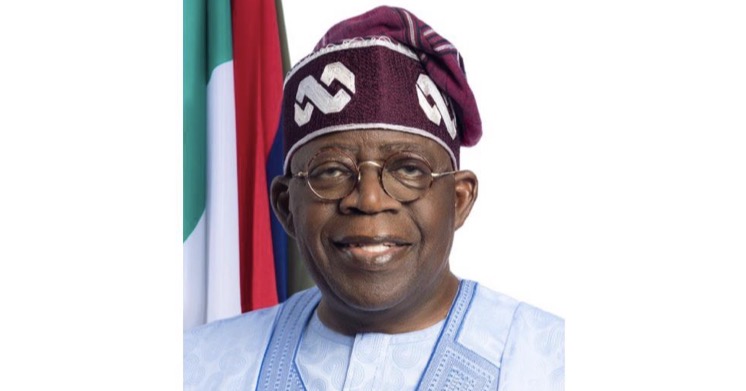
President Bola Tinubu has withdrawn his earlier request for approval to secure $20.5 billion and €1.045 billion in external loans, replacing it with a revised borrowing proposal of approximately $7.7 billion to finance part of Nigeria’s 2026 budget deficit.
The new request, equivalent to approximately ₦10.79 trillion at the budget exchange rate of ₦1,400 to the dollar, was conveyed in a letter read by Senate President Godswill Akpabio during plenary on Wednesday, November 4, 2026.
The revised proposal seeks legislative approval for the Federal Government to implement the external borrowing component contained in the 2026 Appropriation Act.
Following the presentation, Akpabio said the latest request effectively superseded the earlier proposal, explaining that the new communication provided greater clarity about the amount required and the financing options available to the government.
The Senate subsequently referred the request to its Committees on Local and Foreign Debts and Appropriations for further consideration.
Why the government revised its borrowing plan
The earlier borrowing proposal, presented to the National Assembly in October, sought approval for external loans amounting to $20.52 billion and €1.045 billion under the Federal Government’s 2026–2027 Supplementary External Borrowing Plan.
The proposed facilities were intended to support projects across infrastructure, agriculture, healthcare, education, security, water supply and employment generation.
However, the revised request focuses on the $7.7 billion external financing requirement already provided for in the 2026 budget.
According to Tinubu’s letter, the 2026 Appropriation Act approved total new borrowings of ₦29.2 trillion to partly finance a projected budget deficit of approximately ₦31.4 trillion.
The borrowing provision comprises ₦18.4 trillion in domestic financing and approximately ₦10.79 trillion in external borrowing.
The latest request therefore seeks approval for the external component rather than an additional borrowing amount on top of the existing budget provision.
Government considers Eurobonds and other financing options
The Federal Government intends to raise the proposed $7.7 billion through a combination of financing arrangements, including concessional and commercial loans from multilateral and bilateral institutions, International Monetary Fund facilities, bridge financing, direct borrowing from international financial institutions and Eurobond issuance.
Tinubu explained that the government would pursue available options simultaneously, considering their respective costs, benefits and the time required to access the funds.
However, the President indicated a preference for Eurobond issuance, describing it as a relatively faster option capable of raising substantial amounts.
Eurobonds are debt securities issued by governments or companies in international markets, usually denominated in a currency different from that of the country where the issuer is based.
Through this arrangement, Nigeria can raise foreign currency from international investors but must repay the borrowed funds according to the agreed interest rates and repayment schedules.
Tinubu noted that the final interest rates, repayment periods and other conditions would depend on prevailing market conditions when the borrowing is concluded.
He also assured lawmakers that the Federal Ministry of Finance and the Debt Management Office would work towards securing favourable borrowing terms.
Rising debt obligations raise fresh concerns
The revised borrowing request comes amid continuing concerns about Nigeria’s growing public debt and the increasing amount of government revenue committed to debt servicing.
According to figures reported by The Guardian, Nigeria’s total public debt reached ₦166.79 trillion as of June 30, 2026, compared with ₦159.35 trillion at the end of March, representing an increase of ₦7.44 trillion within three months.
The Federal Government also spent approximately ₦7.7 trillion on debt servicing between January and June 2026.
Meanwhile, the 2026 budget provides ₦15.81 trillion for debt servicing over the full year, representing approximately 45.2 per cent of projected government revenue.
These figures have renewed discussions about the country’s ability to balance borrowing requirements with its existing financial obligations.
Although the government maintains that external financing is necessary to support infrastructure development and other priority projects, questions remain about the long-term implications of accumulating additional debt.
What the proposed loan could mean for Nigerians
According to the President, the proposed borrowing would support projects in defence and security, transportation, agriculture, power, education and healthcare.
The government also expects the foreign currency proceeds to strengthen Nigeria’s external reserves, as the funds would be received by the Central Bank of Nigeria on behalf of the Federal Government.
Tinubu argued that increased reserves could support exchange-rate stability and strengthen the country’s external financial position.
However, the actual economic benefits will depend on how effectively the borrowed funds are deployed and whether the projects generate sufficient economic returns to justify their financing costs.
For ordinary Nigerians, the implications extend beyond the size of the loan. Increased borrowing can create additional repayment obligations for future budgets, potentially placing further pressure on public spending.
The National Assembly’s scrutiny of the proposal will therefore be important in determining the conditions under which the government can access the funds.
As the Senate committees examine the request, attention will remain on the proposed financing arrangements, repayment terms and the government’s capacity to manage its growing debt obligations while delivering the projects outlined in the 2026 budget.
Follow AfriView
Don’t Miss the Next Big Story
Enjoyed this story? Stay connected with AfriView for the latest breaking news, trending stories and important updates from Nigeria, Africa and around the world.