EFCC Uncovers Chinese-Linked Illegal Oil Refinery in Ogun, Traces Sludge Supply to Delta and Rivers
The anti-graft agency says it discovered underground tanks containing substances suspected to be diesel at a deserted facility in Ogere, as investigations continue to identify the alleged operators and establish ownership of the site.
The Economic and Financial Crimes Commission (EFCC) has uncovered an illegal oil refinery allegedly operated by Chinese nationals in Ogere, Ogun State, following an intelligence-led operation targeting suspected illegal sludge oil processing activities.
The discovery was made on Saturday, October 31, 2026, by operatives of the commission's Lagos Zonal Directorate 2 after weeks of intelligence gathering and surveillance.
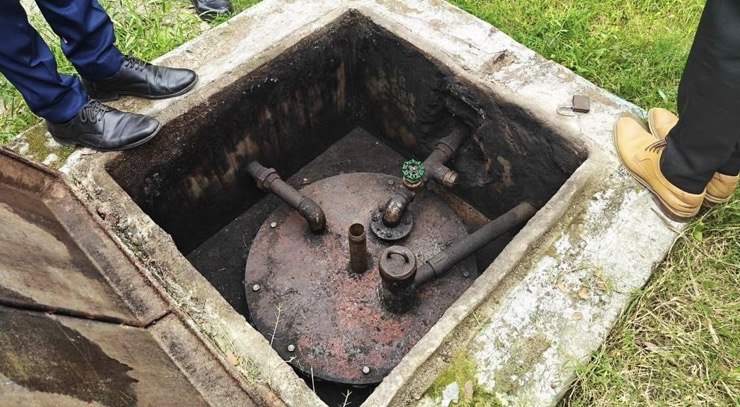
In a statement issued on Tuesday, November 3, the EFCC's Head of Media and Publicity, Dele Oyewale, said the facility was deserted when investigators arrived. However, operatives discovered waste products from the refining process and underground tanks believed to have been used for heating and processing sludge oil.
Two of the underground tanks inspected contained substances suspected to be Automotive Gas Oil (AGO), commonly known as diesel. The discovery has raised further concerns about illegal petroleum processing and the movement of petroleum-related materials across states.
How the suspected refinery operated
According to the EFCC, preliminary investigations indicated that the operators sourced sludge oil, also known as black sludge, from Warri in Delta State and Port Harcourt in Rivers State before transporting it to the facility in Ogere.
The material was reportedly subjected to intense heat, allowing lighter petroleum components to pass through a series of chambers and filters in a process believed to produce Automotive Gas Oil for sale in the Nigerian market.
Sludge oil is a heavy petroleum residue generated during oil production, storage and processing. Although some petroleum residues can be recovered through specialised industrial processes, unauthorised handling and processing can create environmental, safety and regulatory concerns.
The EFCC said security personnel at the facility told investigators that the Chinese nationals allegedly operating the refinery had never disclosed their identities or the name of the company behind the operation.
The commission has not publicly identified the individuals suspected of running the facility, and no arrests connected specifically to the refinery were announced in its initial statement.
Operatives have since taken over the premises while investigations continue to establish the identities of the alleged operators, determine who owns the facility and assess the full extent of the suspected activities.
The agency is also investigating the operation as a possible case of economic sabotage.
Discovery follows crackdown on illegal lithium plants
The refinery discovery comes shortly after another EFCC operation in Ogere involving suspected illegal mineral processing activities.
On October 23, the commission announced the arrest of 15 individuals, comprising 14 Chinese nationals and one Nigerian, over alleged illegal lithium-processing operations at four facilities in the area.
The operation reportedly resulted in the recovery of lithium-related materials and electronic equipment.
The two discoveries have drawn attention to the activities of foreign-linked businesses operating in Nigeria's extractive and natural-resource sectors.
However, the cases remain separate investigations. The arrest of the 15 individuals over alleged illegal lithium processing does not establish that they were involved in the suspected oil refinery.
The latest discovery also raises questions about how petroleum residues sourced from different parts of the Niger Delta were transported to an alleged processing facility in Ogun State.
If investigators establish that the operation was conducted without the necessary licences and regulatory approvals, the individuals and businesses responsible could face legal consequences under applicable Nigerian laws.
The wider implications for Nigeria's oil sector
Illegal refining and petroleum-related economic crimes have remained persistent challenges for Nigeria, particularly in the Niger Delta, where crude oil theft, unauthorised processing and pipeline-related offences have affected the country's petroleum industry.
Such activities can undermine government revenue, distort legitimate petroleum markets and expose surrounding communities to environmental contamination.
The movement of suspected sludge oil from Warri and Port Harcourt to Ogere also highlights the importance of monitoring supply chains, transportation networks and facilities handling petroleum-related materials.
For regulatory and law enforcement agencies, identifying the people financing and coordinating these operations is as important as discovering the facilities themselves.
The EFCC's investigation will therefore need to establish whether the alleged operators acted independently, identify the company or individuals behind the site and determine where the suspected products were distributed.
For now, the discovery represents another development in Nigeria's efforts to tackle illegal activities within its natural-resource and petroleum sectors.
The commission has taken control of the premises, but the identities of the alleged operators, the ownership of the facility and the full scale of the suspected operation remain under investigation.
Follow AfriView
Don’t Miss the Next Big Story
Enjoyed this story? Stay connected with AfriView for the latest breaking news, trending stories and important updates from Nigeria, Africa and around the world.