Lagos Seals Nine Properties Over Raw Sewage Discharge, Including Healthcare Facility
The Lagos State Wastewater Management Office has shut nine properties across the state over alleged sewage violations, including the discharge of untreated waste into public drains and the open environment.
The Lagos State Government has sealed nine properties across the state over alleged improper sewage disposal, including a healthcare facility accused of pumping untreated wastewater directly into public drainage channels.
The enforcement exercise was carried out by the Lagos State Wastewater Management Office (LSWMO), which said the affected properties were found to have violated wastewater management regulations through the discharge of raw sewage, defective sewage infrastructure and unsanitary conditions.
The development was disclosed in a statement by the agency, which warned that property owners and facility operators who fail to comply with approved wastewater disposal standards could face further sanctions, including prosecution.
According to reports published on November 4, the affected properties are located in Oko-Oba, Isolo, Alimosho, Sangotedo, Lekki, Adeniji, Lagos Island, Olodi-Apapa and Ajegunle.
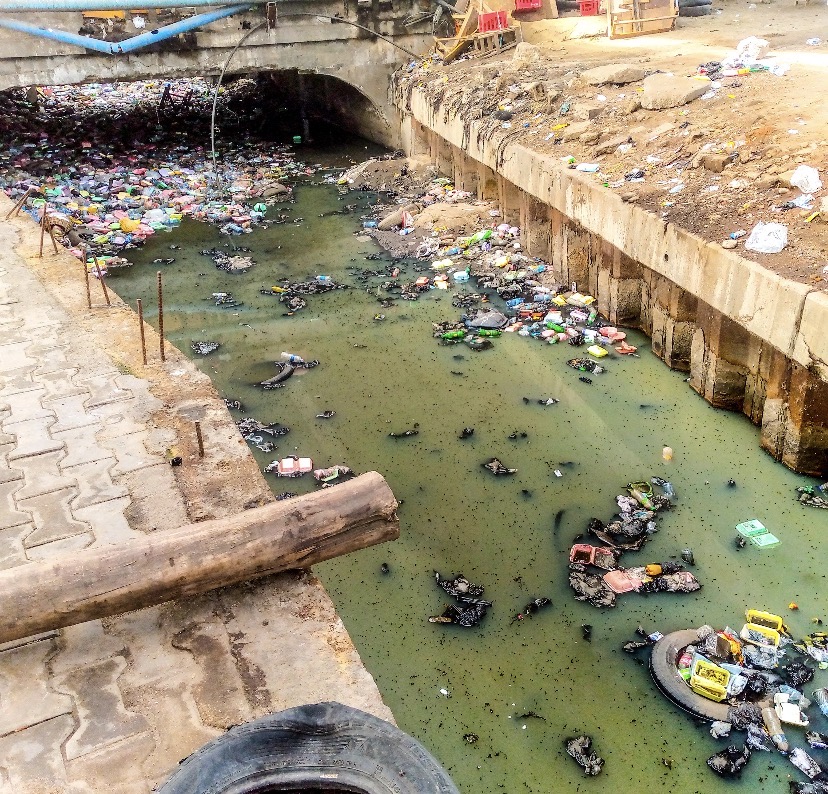
Among the facilities affected was Darvinks Healthcare, located at No. 13, Hollandia Way, Ajao Estate, Isolo. The healthcare facility was reportedly sealed for allegedly using a pumping machine to discharge sewage directly into public drains instead of engaging an authorised sewage evacuation service provider.
The agency also sealed three properties at Nos. 39, 41 and 43, James Okiki Street, Oko-Oba, over alleged raw sewage discharge into the environment.
Other affected locations included No. 1, Abiola Johnson Street, Alimosho, where officials reportedly discovered a burst sewage pipe, and a Funmall facility on T. F. Kuboye Road, Lekki, which was sealed over alleged deliberate sewage discharge and unsanitary conditions.
The enforcement list also included No. 5, Idowu Dabiri Street, Sangotedo; No. 11, Amuto Street, Adeniji, Lagos Island; and No. 55, Temidire Street, Olodi-Apapa, Ajegunle, where raw sewage was reportedly discharged into public drainage.
Why the government is concerned
The General Manager of the LSWMO, Adefemi Afolabi, described the indiscriminate discharge of untreated sewage into public drains and the open environment as a serious environmental violation.
He warned that such practices expose residents to avoidable health risks, pollute the surroundings and undermine the state's sanitation efforts.
Untreated sewage can contain disease-causing microorganisms and other contaminants. When it enters open drains, waterways or areas where residents live and work, it can increase the risk of exposure to waterborne infections and contribute to environmental contamination.
The risks may be particularly concerning in densely populated communities where drainage channels are close to homes, markets, schools and healthcare facilities.
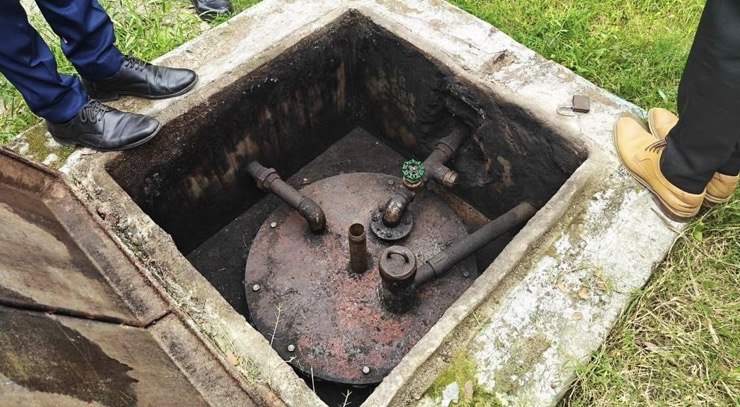
Afolabi specifically cautioned property owners against using pumping machines to empty septic tanks directly into public drainage channels. He said wastewater must be evacuated and disposed of through authorised service providers.
He also stressed that property owners, facility managers and business operators are responsible for providing and maintaining functional sewage infrastructure.
The agency warned that those who disregard the regulations could face the closure of their premises and prosecution where necessary.
A wider sanitation challenge for Lagos
The latest enforcement action draws attention to the challenges of managing wastewater in a rapidly growing city such as Lagos, where residential developments, commercial facilities and public infrastructure place increasing demands on sanitation systems.
While septic tanks and other on-site sewage systems are used in many parts of the state, their effectiveness depends on proper maintenance and the safe evacuation of accumulated waste.
When property owners fail to maintain these systems or choose cheaper, unauthorised disposal methods, the consequences can extend beyond individual premises to neighbouring communities.
The LSWMO is responsible for regulating and monitoring wastewater management in Lagos, including overseeing wastewater facilities and enforcing compliance with relevant standards.
Its official website also provides information on residential sewage management, commercial wastewater requirements, permits and services for reporting sewage spills.
The agency has urged residents to adopt responsible wastewater management practices and report cases of improper sewage disposal. It also warned members of the public against assaulting or obstructing enforcement officers carrying out their statutory duties.
Although the sealing of the nine properties represents an enforcement response, the broader challenge will be ensuring that affected facilities comply with regulations before reopening and that similar violations are prevented elsewhere.
For residents, the issue goes beyond the closure of individual buildings. Improper sewage disposal can affect the cleanliness of neighbourhoods, the safety of drainage channels and the quality of the surrounding environment.
The state government's warning places responsibility on property owners and businesses to ensure that waste generated on their premises is handled through approved systems rather than transferred into public spaces.
Follow AfriView
Don’t Miss the Next Big Story
Enjoyed this story? Stay connected with AfriView for the latest breaking news, trending stories and important updates from Nigeria, Africa and around the world.