Tinubu Launches Re-Election Campaign Amid Nigeria’s Cost-of-Living Crisis
Tinubu begins his 2027 re-election campaign as Nigerians face rising living costs and insecurity.
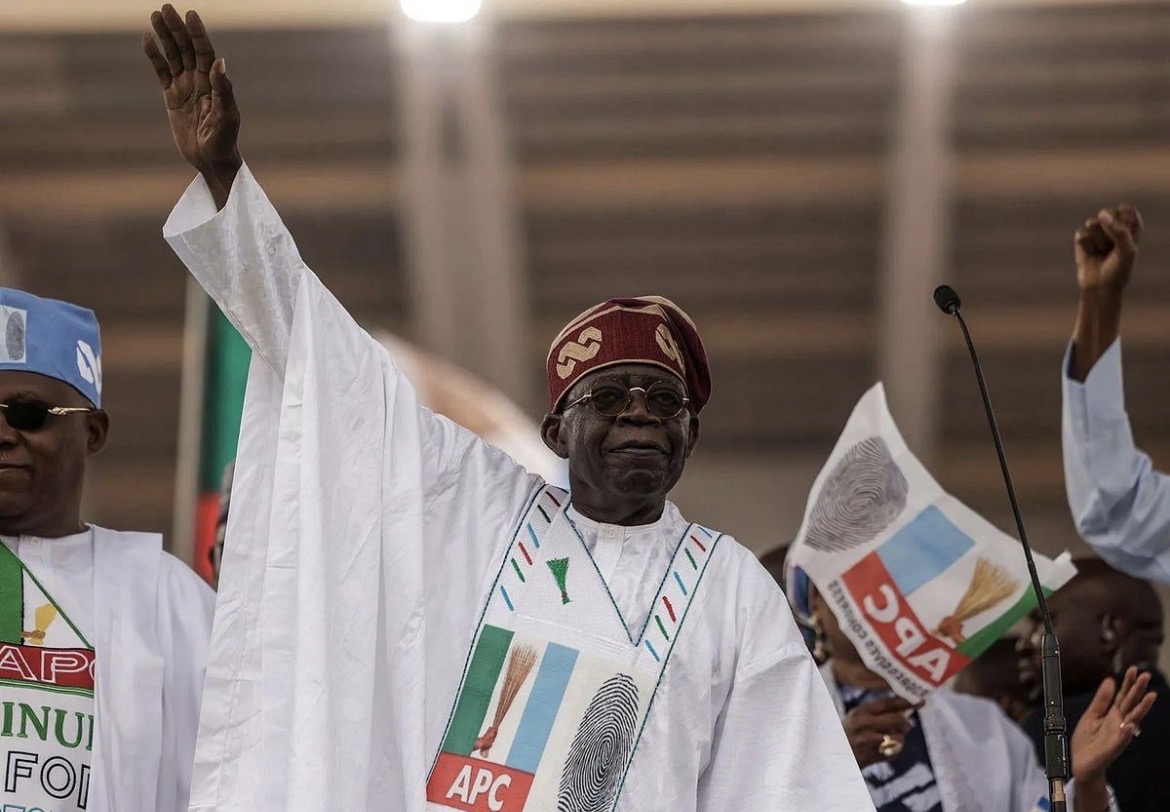
KADUNA, NIGERIA — October 25, 2026: President Bola Ahmed Tinubu has officially launched his campaign for a second term in office, promising Nigerians economic recovery, prosperity and continued development amid growing concerns over the country’s cost-of-living crisis and persistent security challenges.
Tinubu launched the All Progressives Congress (APC) presidential campaign on Saturday, October 24, at a rally in Kaduna State, where thousands of supporters gathered to demonstrate their support for his re-election bid ahead of Nigeria’s January 2027 presidential election.
The rally marks an important moment in the political contest as the president seeks another four-year mandate following his victory in the 2023 presidential election. However, his campaign begins against a backdrop of widespread public dissatisfaction over the cost of food, transportation, petrol and other essential goods and services.
The president has defended his administration’s economic policies, arguing that the reforms introduced since he assumed office in May 2023 are necessary to address longstanding economic weaknesses and establish a foundation for sustainable growth.
Tinubu Promises Prosperity and Economic Recovery
Addressing supporters at the campaign launch, Tinubu expressed appreciation to Nigerians who supported him in the previous election and called on voters to give him another opportunity to lead the country.
He promised continuity, economic progress and a better future, insisting that his administration was working to address the country’s economic difficulties.
Tinubu also challenged opposition politicians who have repeatedly criticised his government’s handling of the economy.
Responding to accusations that his policies have worsened hunger and poverty, the president blamed previous administrations and opposition figures for contributing to Nigeria’s economic problems.
He maintained that his government was working to eliminate poverty and improve the country’s economic conditions.
The president also defended the removal of the petrol subsidy, describing the previous system as one associated with corruption, fuel smuggling and financial irregularities.
According to Tinubu, returning to the old subsidy arrangement would undermine the economic reforms his administration has introduced.
He urged Nigerians to disregard what he described as misleading statements from political opponents and to support his government’s long-term economic agenda.
Economic Hardship Remains a Major Campaign Issue
Despite the president’s promises, the cost of living remains one of the most significant challenges confronting Nigerian households.
Since Tinubu took office in 2023, his administration has implemented major economic reforms, including the removal of the petrol subsidy and changes to the foreign exchange system.
The government has argued that these measures were necessary to reduce pressure on public finances, improve revenue generation, attract investment and strengthen the economy.
However, the reforms have also contributed to considerable financial pressure on households and businesses.
The removal of the petrol subsidy led to a sharp increase in fuel prices, raising transportation and distribution costs across the country. Businesses facing higher operating expenses have also had to contend with the increased cost of moving goods and providing services.
For many Nigerians, the combined effect has been a reduction in purchasing power, making it more difficult to afford food, housing, healthcare, education and other basic necessities.
Fuel prices reportedly reached between ₦1,400 and ₦1,500 per litre in September 2026, intensifying concerns about transportation expenses and the cost of doing business.
Although the government has pointed to improvements in public finances, foreign reserves and investor confidence, many citizens remain concerned about whether these developments are translating into meaningful improvements in their daily lives.
This gap between economic indicators and household experiences is expected to become a central issue in the 2027 presidential campaign.
Opposition Challenges Tinubu’s Economic Record
Tinubu’s re-election campaign is expected to face strong criticism from opposition politicians, particularly over inflation, poverty, unemployment and insecurity.
Former Vice President Atiku Abubakar and former Anambra State Governor Peter Obi are among the prominent opposition figures expected to challenge the incumbent president.
Atiku, who contested against Tinubu in 2023, has criticised the president’s comments about the causes of hunger and poverty in Nigeria.
Following the Kaduna campaign launch, Atiku described Tinubu’s attempt to blame the opposition for the country’s hardship as an effort to avoid responsibility for the consequences of his administration’s policies.
The former vice president argued that Nigerians would judge the government based on their living conditions rather than campaign promises.
The opposition has repeatedly called for policies that would reduce the cost of living, create employment opportunities, improve public services and provide relief for struggling households.
The petrol subsidy has also emerged as a major point of disagreement. Some opposition figures have indicated support for restoring the subsidy, while Tinubu has insisted that the country should not return to the previous arrangement.
The disagreement highlights the competing economic approaches that could shape the election debate.
While the ruling party argues that its reforms will deliver long-term benefits, its opponents insist that the government must do more to address the immediate financial difficulties facing ordinary Nigerians.
 Security Concerns Add Pressure to the Election
Beyond the economy, insecurity remains another major challenge facing Tinubu’s administration as it seeks a second term.
Several parts of Nigeria continue to experience attacks by armed groups, kidnappings, banditry and other forms of violence.
The country is also still dealing with the long-running insurgency in the northeast, which has displaced communities and disrupted economic activities for years.
In parts of the northwest and north-central regions, attacks on rural communities and kidnapping incidents have continued to raise concerns about the safety of residents.
These security challenges have affected farming, trade, transportation and access to essential services.
Farmers who fear attacks may be unable to cultivate their land safely, potentially worsening food supply problems and putting additional pressure on prices.
The government faces growing expectations to strengthen security operations, protect vulnerable communities and ensure that Nigerians can travel, work and conduct business without fear.
As the campaign progresses, the administration’s ability to demonstrate measurable improvements in security could influence voters’ decisions.
APC Mobilises Support Across Nigeria
The Kaduna rally attracted several prominent APC leaders and government officials, including Vice President Kashim Shettima, Kaduna State Governor Uba Sani, Senate President Godswill Akpabio and other party stakeholders.
Speaking at the event, Shettima highlighted Tinubu’s longstanding political relationships with leaders from northern Nigeria and urged supporters to recognise the president’s political contributions to the region.
The gathering was part of the APC’s broader effort to mobilise support ahead of the 2027 election.
Tinubu benefits from the political structure of the ruling party and its network of elected officials across the country. However, maintaining public support will require the administration to address concerns about economic hardship, unemployment and security.
The president is expected to campaign in several states before concluding his planned campaign tour in Lagos in January.
The APC will need to convince voters that its economic policies are producing tangible results and that another term would bring improvements to living standards.
 What the 2027 Election Could Mean for Nigerians
The forthcoming presidential election is expected to focus heavily on the economy, security, governance and the future direction of Nigeria.
For many voters, the most important questions will concern the affordability of essential goods, access to employment, the stability of the naira, fuel prices and the government’s ability to protect lives and property.
Tinubu’s administration has maintained that its reforms are necessary to correct longstanding economic problems and create conditions for sustainable growth.
However, the president must also demonstrate how the benefits of those reforms will reach ordinary citizens, particularly low-income households and small businesses that have struggled with rising expenses.
The opposition, meanwhile, will seek to persuade voters that alternative policies could deliver better economic and security outcomes.
The outcome of the election may depend not only on political alliances and campaign promises but also on how Nigerians assess the government’s performance since 2023.
As the campaign gathers momentum, both the ruling party and the opposition will face pressure to present credible plans for addressing the country’s most urgent problems.
For Tinubu, the challenge will be to turn promises of prosperity and recovery into visible improvements in the lives of Nigerians.
Conclusion
President Bola Tinubu’s re-election campaign has officially begun at a time when many Nigerians are demanding economic relief, improved security and stronger government accountability.
His Kaduna campaign launch demonstrated the APC’s determination to retain power in 2027, but the president’s economic record is likely to remain under intense scrutiny throughout the election season.
Whether Tinubu can convince voters that his reforms will ultimately deliver affordable living costs, greater prosperity and a more secure country will be one of the defining questions of Nigeria’s 2027 presidential election.
Follow AfriView
Don’t Miss the Next Big Story
Enjoyed this story? Stay connected with AfriView for the latest breaking news, trending stories and important updates from Nigeria, Africa and around the world.