Saudi Arabia and Yemen’s Houthi Conflict Raises Regional Tensions
Rising military tensions threaten regional security, Red Sea shipping and stability across the Middle East.
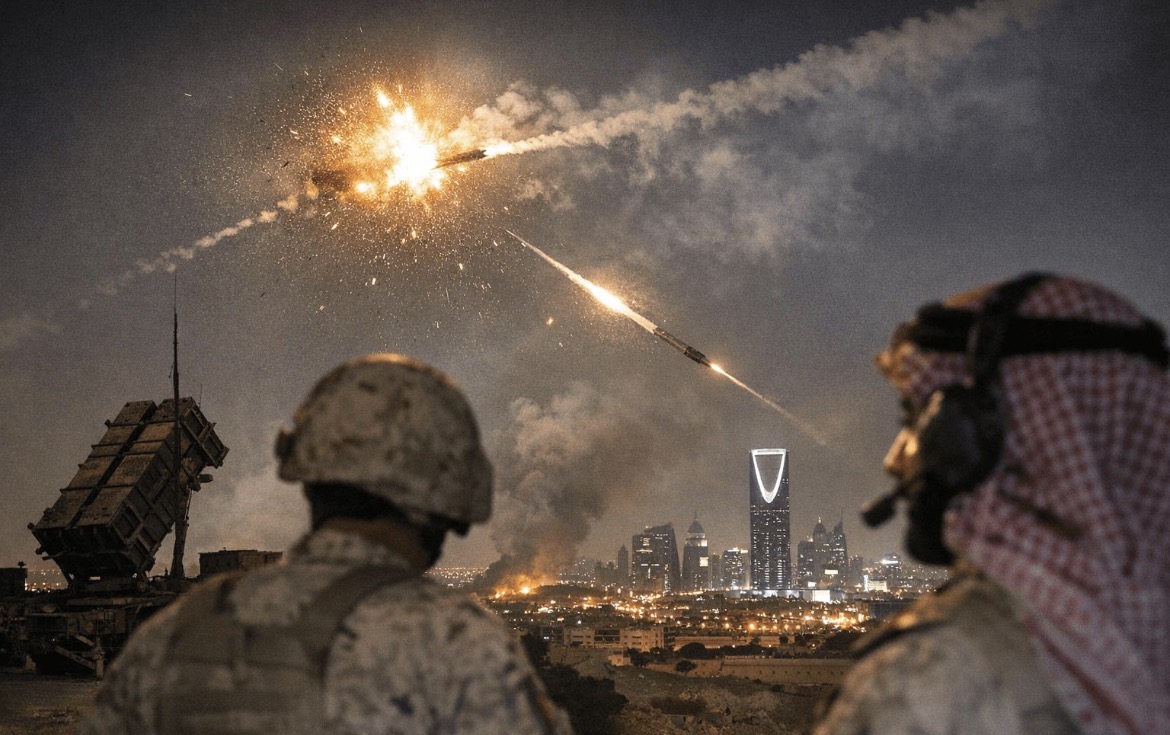
Saudi Arabia and Yemen’s Houthi rebels have intensified their conflict, raising fears of a wider Middle East war and threatening international shipping, energy supplies and regional security.
RIYADH, SAUDI ARABIA — October 25, 2026: Tensions between Saudi Arabia and Yemen’s Houthi rebels have escalated following renewed missile and drone attacks, military operations and growing concerns over the security of strategic shipping routes in the Red Sea.
The conflict has emerged as another major source of instability in the Middle East, with Saudi Arabia strengthening its military response to attacks attributed to the Houthis, an Iran-aligned armed movement that controls Yemen’s capital, Sana’a, and large parts of the country.
According to Reuters reporting published on Sunday, October 25, Saudi Arabia intercepted several drones and missiles targeting Riyadh and southern parts of the kingdom. The latest developments have heightened concerns about the possibility of further military escalation and its consequences for neighbouring countries and international trade.
The renewed fighting also threatens to undermine years of diplomatic efforts aimed at ending Yemen’s prolonged civil war, which has caused widespread displacement, economic devastation and a severe humanitarian crisis.
Saudi Arabia Intercepts Missiles and Drones
Saudi authorities issued emergency alerts in Riyadh and the southern cities of Abha and Khamis Mushait following reports of incoming aerial threats.
The Saudi-led coalition said it intercepted two drones and a ballistic missile heading towards Riyadh, as well as a cruise missile targeting Khamis Mushait. It subsequently reported intercepting additional ballistic missiles directed towards southern Saudi Arabia.
The Houthis also claimed responsibility for attacks targeting Saudi facilities, including King Khalid International Airport and oil infrastructure.
The threats have raised serious concerns about civilian safety and the vulnerability of critical infrastructure in the kingdom.
King Khalid International Airport had suspended operations following an earlier attack on October 10 that reportedly killed 13 people and injured more than 300 others. Limited operations resumed on Sunday, according to Reuters.
The Houthis warned that the airport remained a military target, raising further concerns for passengers, airline operators and airport employees.
Saudi Arabia has responded to the escalating threats by intensifying military operations against Houthi positions in Yemen.
The latest exchanges represent a significant deterioration in relations after a period of relative calm following the United Nations-brokered truce of 2022.
 How the Conflict Began
The conflict between Saudi Arabia and the Houthis is closely connected to Yemen’s long-running civil war.
The Houthis, also known as Ansar Allah, captured Sana’a in 2014, challenging Yemen’s internationally recognised government and triggering a wider political and military crisis.
In March 2015, Saudi Arabia led a military coalition to support the Yemeni government and push back against the Houthi movement.
The conflict subsequently developed into a prolonged regional confrontation involving several countries and armed groups, with devastating consequences for Yemen’s population.
Saudi Arabia has accused the Houthis of threatening its territory and regional security, while the rebels have opposed Saudi military intervention and demanded changes to restrictions affecting areas under their control.
Iran has provided support to the Houthis over the years, according to international assessments, making the conflict part of the broader strategic rivalry between Tehran and Riyadh.
Although Saudi Arabia and Iran restored diplomatic relations in 2023, tensions surrounding Yemen have continued to complicate efforts to establish lasting regional stability.
A truce agreed in 2022 significantly reduced fighting for several years. However, renewed hostilities in 2026 have raised fears that the conflict could return to a much more destructive phase.
Red Sea Shipping Faces Growing Threats
One of the most significant concerns arising from the renewed conflict is the potential disruption of shipping through the Red Sea and the Bab el-Mandeb Strait.
The narrow waterway connects the Red Sea with the Gulf of Aden and provides an important maritime route linking Europe and Asia.
Thousands of commercial vessels use regional shipping corridors to transport goods, energy products and other essential commodities between international markets.
Recent Houthi advances along Yemen’s Red Sea coast have increased concerns about the security of commercial vessels and the possibility that further attacks could disrupt maritime traffic.
The United Nations has warned that threats against commercial shipping undermine freedom of navigation and put the lives of seafarers at risk.
Disruptions could force shipping companies to reroute vessels around the southern tip of Africa, increasing journey times, fuel consumption, insurance costs and transportation expenses.
These additional costs could eventually affect consumers through higher prices for imported goods and other products.
The situation is particularly concerning because international energy markets and major shipping routes are already experiencing pressure from wider conflicts across the Middle East.
Any further disruption could have consequences beyond the region, affecting businesses, governments and consumers worldwide.
 Iran’s Role Raises Regional Concerns
The Houthi movement’s relationship with Iran has added another dimension to the conflict.
Saudi Arabia views the movement’s military capabilities and cross-border attacks as serious security concerns, particularly because missiles and drones can threaten major cities, airports and energy facilities.
The renewed fighting has also become increasingly connected to the wider confrontation involving Iran, the United States and Israel.
As a result, developments in Yemen are no longer viewed solely as part of an internal civil war. They have become linked to broader questions about regional military influence, energy security and the protection of international trade.
However, the extent to which the conflict could expand remains uncertain.
A prolonged confrontation could draw additional regional actors into military or defensive operations, increasing the risk of miscalculation and further escalation.
Diplomatic efforts to prevent the crisis from spreading will therefore be important in limiting the possibility of a wider regional war.
Humanitarian Crisis Deepens in Yemen
While Saudi Arabia and the Houthis exchange military attacks, ordinary Yemenis continue to face the consequences of years of conflict.
The renewed fighting has intensified humanitarian concerns, particularly in areas affected by airstrikes, ground offensives and restrictions on essential supplies.
The United Nations has warned that Yemen has entered a dangerous phase, with fighting spreading across several front lines and threatening civilian infrastructure.
In September, the UN Security Council expressed concern about civilian casualties, damage to infrastructure and reports that at least 125,000 people had been displaced across Yemen since the beginning of that month.
Humanitarian organisations have also warned that continued violence could worsen shortages of food, fuel, medicines and clean water.
Hospitals and other essential services face additional pressure as communities struggle to access supplies and medical assistance.
The situation in Taiz has become particularly alarming, with aid workers reporting severe shortages and deteriorating living conditions amid ongoing fighting and restrictions on supply routes.
Humanitarian agencies have called on all parties to protect civilians, allow aid deliveries and ensure that relief workers can operate safely.
Without a reduction in hostilities, millions of vulnerable people could face further hardship as humanitarian needs continue to grow.
Diplomatic Efforts Face New Challenges
International efforts to resolve the conflict have become more difficult as fighting intensifies.
The United Nations has continued to call for restraint and renewed negotiations between the parties.
UN officials have stressed that a lasting settlement must address the underlying political disputes in Yemen while protecting the country’s population from further violence.
However, renewed attacks, competing territorial ambitions and disagreements over security arrangements have complicated the prospects for a ceasefire.
Saudi Arabia faces the challenge of protecting its territory and critical infrastructure while avoiding a prolonged military campaign that could deepen instability along its southern border.
The Houthis, meanwhile, continue to demonstrate their ability to threaten important infrastructure and shipping routes, increasing pressure on regional governments and international partners.
A diplomatic breakthrough could help reduce the risk of further attacks and create opportunities for negotiations on Yemen’s political future.
Until then, the possibility of additional military escalation remains a major concern.
Conclusion
The renewed conflict between Saudi Arabia and Yemen’s Houthi rebels has become a significant threat to regional stability, international shipping and the humanitarian situation in Yemen.
With missile and drone attacks continuing, Saudi Arabia strengthening its military response and the security of the Red Sea under pressure, the consequences could extend far beyond the Arabian Peninsula.
The crisis highlights the urgent need for diplomatic engagement, civilian protection and renewed efforts to secure a lasting peace.
For millions of Yemenis already affected by years of conflict, preventing another prolonged escalation is essential.
The coming weeks will be critical in determining whether regional leaders can contain the violence or whether the confrontation will develop into an even wider Middle East crisis.
Follow AfriView
Don’t Miss the Next Big Story
Enjoyed this story? Stay connected with AfriView for the latest breaking news, trending stories and important updates from Nigeria, Africa and around the world.