Tantita Expands Oil Theft Surveillance with Drones and Artificial Intelligence
The security company says its upgraded surveillance technology will improve monitoring of pipelines, vessels and suspicious activities in Nigerian waters.
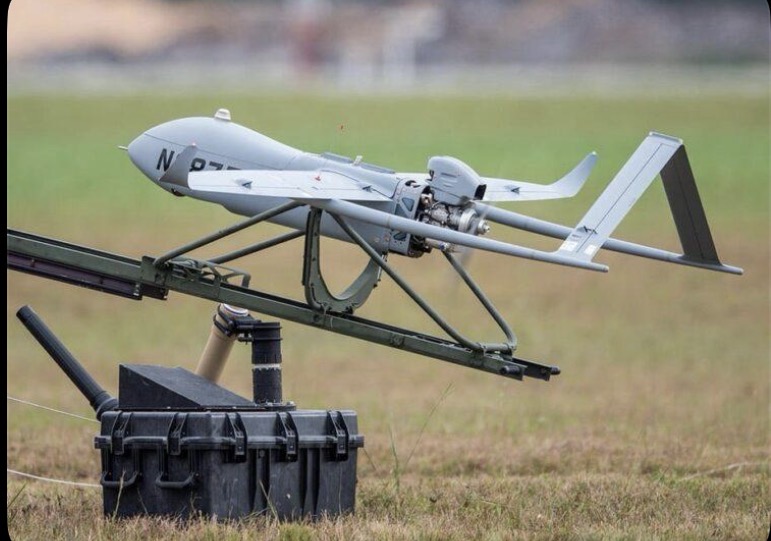
Security Services Nigeria Limited has expanded its surveillance capabilities with the acquisition of new drones and artificial intelligence technology aimed at strengthening efforts to combat crude oil theft and pipeline vandalism.
The development was disclosed by the company’s Executive Director of Operations and Technical, Warredi Enisuoh, during the Africa International Defence Exhibition (AFRIDEX) 2026, which held at Eko Atlantic in Lagos from October 26 to 29.
Enisuoh explained that the company had been investing in additional technology to improve its ability to monitor oil infrastructure and identify suspicious activities across Nigeria’s maritime environment.
He said the growing sophistication of illegal oil-related activities had made it necessary for security operators to adopt more advanced monitoring systems.
One of the technologies discussed was the MK4.7 aircraft, which Enisuoh said could remain airborne for up to 14 hours and travel as far as Abidjan without refuelling.
The aircraft uses Jet A-1 fuel and is equipped with night-vision capabilities. It can also transmit images and videos in real time, allowing operators to monitor activities from a distance.
Enisuoh also disclosed that Tantita had acquired drones capable of remaining airborne for 24 hours, with only a short period required for rest before returning to surveillance operations.
According to him, the company intends to use the equipment not only for monitoring oil infrastructure but also for surveillance in communities considered vulnerable to attacks.
He explained that the information gathered through the equipment could provide intelligence to help the company plan its response to security threats.
Beyond the aircraft, Tantita is also using artificial intelligence technology to detect loitering activities and track the movement of vessels entering and leaving Nigerian waters.
The system is designed to identify vessel movements associated with suspicious maritime activities, including vessels suspected of arriving to load crude oil before departing.
Enisuoh also disclosed that the company uses satellite technology, including synthetic-aperture radar, to identify vessels even when their navigation systems are switched off.
He said Tantita operates two command and control centres that can be managed remotely through a web-based system.
The use of artificial intelligence and satellite monitoring could improve the speed with which security operators identify unusual activity, particularly across waterways and locations that are difficult to monitor through conventional patrols alone.
Nigeria’s oil industry has faced persistent challenges involving crude oil theft, illegal refining, pipeline vandalism and attacks on infrastructure. These activities have affected production, government revenue and the environment, particularly in communities across the Niger Delta.
The Federal Government engaged Tantita’s services in 2022 following declining crude oil production and growing concerns about losses linked to illegal activities in the sector.
The company has since become part of the private security structure involved in protecting oil infrastructure.
The latest acquisition reflects a growing reliance on technology to complement physical security operations. Drones can provide aerial views of locations that may be difficult for ground teams to access, while artificial intelligence systems can help analyse large amounts of surveillance information.
However, the effectiveness of these systems will depend on more than the availability of equipment. Reliable intelligence, trained personnel, coordination with relevant government agencies and timely responses to detected threats will remain essential.
The technology also raises questions about how surveillance information will be managed and how detected threats will translate into practical security action.
For communities in oil-producing areas, the central concern remains whether improved monitoring will lead to fewer incidents of pipeline damage, environmental pollution and illegal activity.
Tantita’s latest acquisition signals an attempt to strengthen the technological side of Nigeria’s oil security operations. Its long-term impact will be measured by whether the equipment improves detection, supports faster intervention and contributes to more secure oil infrastructure.
Follow AfriView
Don’t Miss the Next Big Story
Enjoyed this story? Stay connected with AfriView for the latest breaking news, trending stories and important updates from Nigeria, Africa and around the world.