Lagos to Host African Brands Congress on Artificial Intelligence
The November gathering will examine how businesses can use AI in marketing and customer engagement while protecting consumer trust and African brand identity.
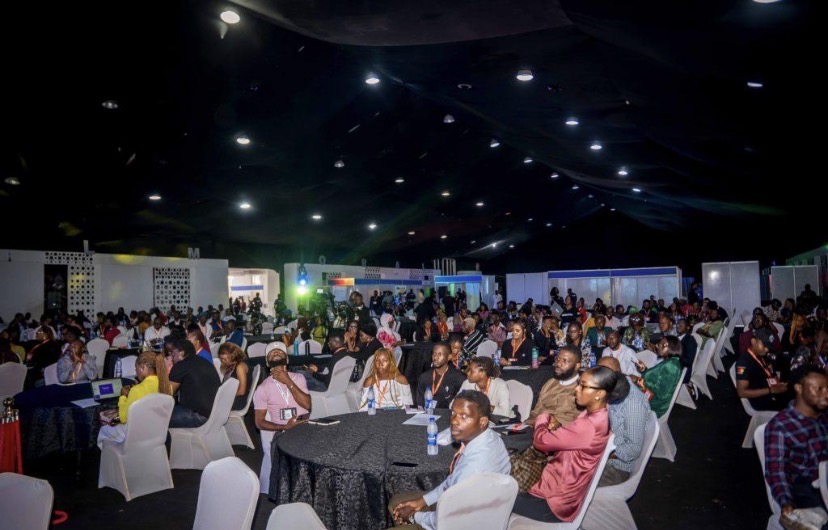
Lagos is scheduled to host the 2026 African Brands Congress on November 30, with artificial intelligence expected to take centre stage as business leaders and marketing professionals consider how emerging technologies are changing the way brands communicate with consumers.
The event will take place at the Ballroom of Lagos Oriental Hotel, Victoria Island, under the theme, “The Future of Brands in the Era of Artificial Intelligence,” according to information released by the organisers.
The congress is expected to bring together business executives, marketing professionals, technology experts, policymakers, brand owners and other stakeholders from different sectors of the economy.
Its focus comes at a time when businesses are exploring artificial intelligence tools to analyze customer behaviour, develop marketing content, personalize communication and automate some customer-service processes.
For African companies competing in increasingly digital markets, the challenge is not simply whether to adopt AI, but how to use it in ways that improve business performance without weakening trust or making brands less distinctive.
AI and the changing relationship between brands and consumers
Artificial intelligence is increasingly being incorporated into marketing and business operations. Tools can help companies process large amounts of customer information, identify patterns in consumer behaviour and tailor messages to different audiences.
For example, a retailer may use analytics to understand which products attract the most attention, while a financial services company may use automated systems to respond to common customer enquiries.
Generative AI can also assist with drafting content, developing campaign ideas and producing material for different digital platforms. These capabilities may reduce the time required for some tasks, although businesses still need human oversight to check accuracy, tone and relevance.
The planned congress will examine these developments through discussions on AI-powered consumer insights, generative AI, content creation, automation and brand governance.
However, greater use of AI also raises questions about privacy, transparency and consumer confidence. Businesses that collect or process customer information need to consider how it is handled and whether their practices meet applicable legal and ethical requirements.
Automated communication can also create problems when customers cannot reach a human representative or receive responses that do not address their circumstances. For brands, the convenience of automation must be weighed against the importance of meaningful customer relationships.
Protecting African identity in an AI-driven market
One of the central issues identified by the organisers is how African brands can use AI to compete internationally without losing the cultural identity and authenticity that distinguish them.
African markets are diverse, with differences in languages, cultural references, purchasing habits and consumer expectations. Content that works for one audience may not necessarily resonate with another.
AI-generated material can help businesses produce content more quickly, but it may also reproduce stereotypes, misunderstand local expressions or generate messaging that feels disconnected from the intended audience.
Human judgment remains important in ensuring that campaigns reflect the experiences and expectations of the people they are intended to reach.
The congress is expected to explore how businesses can balance technological efficiency with creativity, cultural relevance and consumer trust. Its agenda will also cover intellectual property and digital trust, issues that have become increasingly important as AI tools generate text, images and other marketing materials.
For smaller businesses, the conversation could be especially relevant. AI tools may give organisations with limited marketing budgets access to capabilities that were previously expensive or difficult to obtain. Yet adoption still requires appropriate skills, reliable infrastructure and a clear understanding of the risks.
Beyond presentations and networking
According to the organisers, the programme will feature plenary sessions, panel discussions, masterclasses, exhibitions and networking opportunities. Participants are expected to discuss the policies, skills, infrastructure and organisational changes required for responsible AI adoption.
The event is also expected to attract stakeholders from sectors including consumer goods, finance, telecommunications, technology, fashion, beauty, media, entertainment, agriculture, retail, hospitality, tourism and education.
Exhibitions will provide opportunities for organisations to showcase innovations, while awards are planned to recognise African brands and industry innovators.
The organisers also expect the congress to produce a communiqué outlining recommendations on AI adoption, ethical practices and policy considerations for brands operating in African markets. These are anticipated outcomes, rather than decisions that have already been reached.
What businesses should take from the conversation
For companies considering AI adoption, the most important question is how a tool addresses a genuine business need. Introducing technology without a clear purpose may add complexity without improving customer experience or productivity.
Businesses will also need to consider staff training, data protection, quality control and the possibility of errors in AI-generated content. A system that produces content quickly is not necessarily producing accurate or culturally appropriate content.
The November congress will provide a platform for stakeholders to examine these issues and exchange ideas about the future of African branding. Its broader significance will depend on how effectively those conversations translate into responsible business practices.
As AI becomes more common in marketing, African companies will face growing pressure to remain innovative while preserving the trust and identity that allow brands to build lasting relationships with consumers.
Follow AfriView
Don’t Miss the Next Big Story
Enjoyed this story? Stay connected with AfriView for the latest breaking news, trending stories and important updates from Nigeria, Africa and around the world.