Nigeria’s State Police Plan Clears Key Hurdle, but Implementation Questions Remain
Approval by the required number of state assemblies moves the proposed policing reform forward, while the legal process and practical questions around accountability, funding and political influence remain.
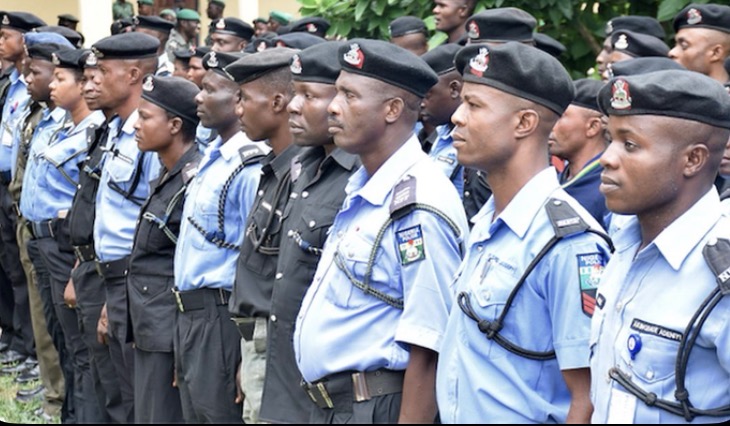
Nigeria’s proposal to establish state police has crossed a major constitutional hurdle, bringing the country closer to a policing system in which federal and state authorities would have separate police structures.
The Presidential Working Group on the National Policing Bill announced on October 23 that 24 of the country’s 36 State Houses of Assembly had approved the Constitution (Sixth Alteration) Bill, 2026. The figure meets the two-thirds threshold required for a constitutional amendment to advance under Section 9 of the 1999 Constitution.
The announcement followed the passage of the proposal by both chambers of the National Assembly and its subsequent transmission to state legislatures for consideration.
However, meeting the state approval threshold does not mean state police formations can immediately begin operating. Further constitutional and legislative steps remain, alongside the development of a legal framework for establishing and regulating the proposed forces.
What happens after the state approvals?
In its October 23 statement, the Presidential Working Group said the amendment could return to the National Assembly for transmission to President Bola Tinubu for assent.
The group also disclosed that the draft National Policing Bill, 2026, and related legislative proposals were undergoing drafting review and validation at the Federal Ministry of Justice. It expected the documents to return by October 30 for the group’s final consideration before presentation to the President.
The constitutional amendment and the legislation needed to implement the proposed system are related but distinct parts of the process. The amendment would provide the constitutional basis for the new arrangement, while the accompanying legal framework would help establish how it operates.
Until the required process is completed, the proposed state police system should not be described as operational.
How would a dual policing system work?
Nigeria currently operates a national police structure. The proposed reform seeks to introduce state police services alongside a federal police service, giving states a formal policing structure within the constitutional framework.
Supporters of decentralised policing argue that state-level forces could improve local responses to security threats by bringing policing closer to communities and state authorities.
The potential benefits, however, would depend on how the system is designed and implemented. Establishing a state police service would require decisions about recruitment, training, equipment, operational jurisdiction, funding and coordination with federal security agencies.
The division of responsibilities would also need to be clear enough to prevent confusion when incidents cross state boundaries or require cooperation between different forces.
These details matter because creating another layer of policing does not, by itself, guarantee faster responses, better investigations or safer communities.
Accountability and political interference remain key concerns
One of the most important questions surrounding state police is how to prevent the misuse of police powers.
State governments would have greater involvement in policing under the proposed arrangement. That could improve responsiveness to local security needs, but it also raises questions about how officers would be protected from improper political pressure and how complaints against them would be investigated.
A credible framework would need transparent recruitment standards, independent complaint mechanisms, clear disciplinary procedures and effective oversight. It would also need to define the limits of executive authority over police operations.
Funding presents another challenge. States differ in their financial capacity, and maintaining a police service requires more than paying salaries. Vehicles, communications equipment, training facilities, forensic capacity and regular operational funding would all affect effectiveness.
Without adequate resources and oversight, differences in state capacity could produce uneven policing standards across the country.
What Nigerians should watch next
The next milestones include the completion of the remaining constitutional steps, the status of the draft National Policing Bill and the publication of clear implementation arrangements.
The public will also need answers on how federal and state police services would coordinate investigations, handle interstate crimes, share intelligence and resolve jurisdictional disputes.
As of October 26, the Presidential Working Group’s announcement establishes that the required number of state assemblies has reportedly approved the amendment. It does not establish that state police services are already operating or that every implementation detail has been finalised.
The significance of the development will ultimately depend on whether the reform produces a policing system that is adequately funded, professionally managed and accountable to the people it serves.
For Nigerians living with persistent security concerns, the central question is no longer simply whether state police will be introduced, but how the proposed system will work in practice and what protections will ensure that it serves communities rather than political interests.
Follow AfriView
Don’t Miss the Next Big Story
Enjoyed this story? Stay connected with AfriView for the latest breaking news, trending stories and important updates from Nigeria, Africa and around the world.