Nigeria, EU Partners Target Investment Opportunities for African Businesses
A new investment partnership session at the Nigerian Economic Summit is expected to explore financing, technical assistance and venture capital for businesses and infrastructure.
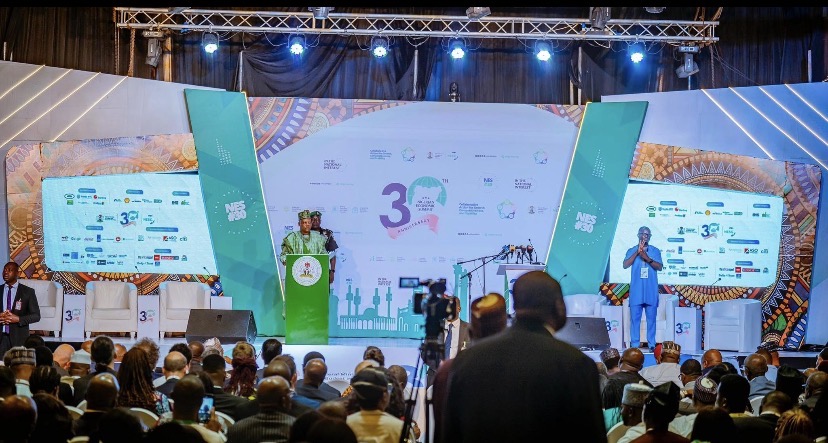
Nigeria and European development partners are preparing to explore new investment opportunities for businesses and infrastructure at the 32nd Nigerian Economic Summit in Abuja.
The Federal Ministry of Budget and Economic Planning is working with the Boost Africa Project Team of the European Investment Bank to organise an Investment Partnership Lab on Monday, October 26, 2026.
According to Voice of Nigeria, the session will take place at the Transcorp Hilton Hotel on the sidelines of the summit and bring together government officials, investors, European development institutions, private-sector representatives and other development partners.
The meeting is expected to examine how development finance, grants, technical assistance and investment partnerships can support Nigeria’s productive sectors, infrastructure and entrepreneurship.
One of the central initiatives to be discussed is Boost Africa, a programme designed to support innovative African enterprises through venture capital and technical assistance.
What is Boost Africa?
Boost Africa is a joint initiative of the European Investment Bank and the African Development Bank, supported by the European Union.
The programme seeks to improve access to finance for innovative businesses across Africa, with particular attention to enterprises led by young people and women.
Access to funding remains a major challenge for many businesses seeking to expand beyond the early stages of development. Young companies may have promising products or services but struggle to secure loans because they lack collateral, an established revenue history or other requirements imposed by traditional lenders.
Venture capital offers another financing route. Investors provide money to businesses in exchange for an ownership stake, usually expecting the companies to grow and increase in value over time.
Technical assistance can also help businesses improve their financial management, governance, business plans and readiness to attract investment.
According to Voice of Nigeria, Boost Africa has attracted more than €100 million in European Investment Bank commitments to venture capital funds. The programme’s wider ambition is to mobilise approximately €1 billion in investments across Africa.
These figures describe the programme’s reported commitments and ambitions; they should not be interpreted as money already disbursed to Nigerian businesses.
Focus on Nigerian enterprises
The planned Abuja session is expected to provide a platform for discussions on how Nigerian businesses could benefit from relevant European investment initiatives.
The organisers also intend to examine opportunities to strengthen the venture capital ecosystem, improve access to growth financing and connect businesses with technical support.
For Nigerian entrepreneurs, the availability of investment can influence whether a company is able to hire staff, purchase equipment, expand operations or enter new markets.
Businesses in technology, agribusiness, financial services and renewable energy are among the sectors identified as relevant to the Boost Africa programme.
Agribusiness companies, for example, may require financing to improve processing, storage and distribution. Technology businesses may need capital to develop products, recruit skilled workers and expand their customer base.
Renewable energy enterprises may need funding to build projects or develop systems that provide electricity to households and businesses.
However, access to investment is not determined by the existence of a funding programme alone. Businesses must meet the requirements of the relevant funds and demonstrate credible plans for growth.
Infrastructure also on the agenda
The Investment Partnership Lab is also expected to examine investment opportunities involving transport, trade infrastructure and related facilities.
Discussions will cover commercial opportunities, cargo demand, project preparation, regulatory requirements and financing prospects.
Infrastructure can affect the cost and efficiency of doing business. Poor roads, inadequate logistics systems and unreliable power can increase operating expenses and make it more difficult for companies to deliver products on time.
Investment in transport and trade infrastructure may help reduce these constraints, although projects must be properly planned, financed and maintained to deliver lasting benefits.
The meeting is therefore expected to bring together public institutions and private-sector stakeholders to discuss how viable projects can attract financing.
Nigeria’s broader economic ambitions
The government has linked the initiative to the National Development Plan for 2026–2030 and its ambition to build a $1 trillion economy.
Achieving sustained economic expansion would require growth in productive sectors, increased investment, stronger infrastructure and businesses capable of creating employment.
Partnerships with development institutions can provide funding and expertise, but the long-term impact depends on how projects are selected, implemented and monitored.
Investors also need confidence in the regulatory environment and clarity about the commercial risks associated with their investments.
The planned session on October 26 offers an opportunity to discuss those issues, but it does not mean that every proposal discussed will receive funding.
What businesses should watch
Businesses interested in investment opportunities should look for official information about eligibility requirements, participating funds, application processes and any financing windows announced through the initiative.
The October 26 meeting is a partnership discussion within the economic summit, rather than a general guarantee of grants or funding for all attendees.
Further announcements from the organisers may clarify which programmes are open to Nigerian enterprises and how businesses can engage with them.
For entrepreneurs seeking to grow, the key question will be whether the discussions lead to accessible financing, practical support and investment in commercially viable projects.
Follow AfriView
Don’t Miss the Next Big Story
Enjoyed this story? Stay connected with AfriView for the latest breaking news, trending stories and important updates from Nigeria, Africa and around the world.