NCDC Approves ₦100,000 Weekly Support for People Isolated Over Ebola Outbreak
Nigeria introduces emergency financial assistance to cover feeding, accommodation and family needs as health authorities intensify efforts to contain the Ebola outbreak in Abuja.
The Nigeria Centre for Disease Control and Prevention (NCDC) has approved an emergency payment of ₦100,000 per person every week for individuals placed under isolation or quarantine as part of measures to contain the Ebola outbreak in the Federal Capital Territory (FCT), Abuja.
The financial assistance is intended to help affected individuals meet their basic needs while complying with public health monitoring measures. The intervention follows concerns raised by some people identified as contacts of the confirmed Ebola patient over the financial difficulties associated with isolation.
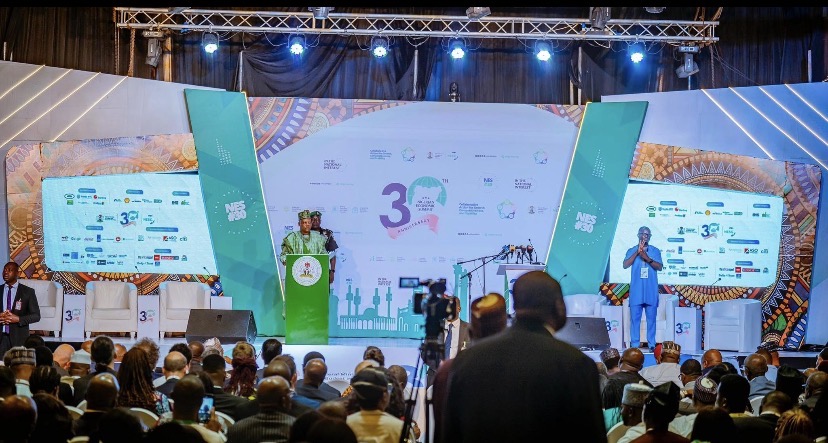
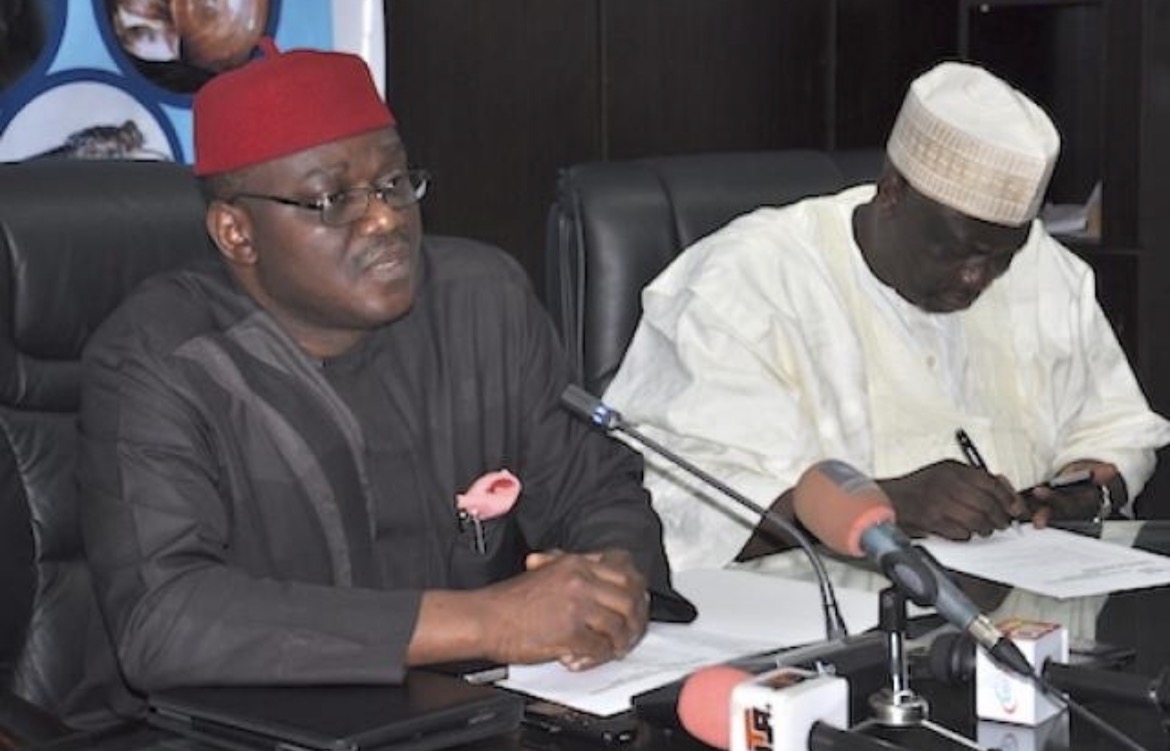
NCDC Director-General, Dr Jide Idris, announced the development during a press briefing on Sunday, explaining that the agency recognised the need to provide additional support to individuals whose movements and daily activities had been restricted because of the outbreak.
According to Idris, some people under monitoring had expressed concerns about the cost of feeding themselves, paying for accommodation and providing for their families while cooperating with health authorities.
He explained that the emergency payment was introduced to reduce these financial pressures and encourage affected individuals to continue cooperating with the public health response.
NCDC Introduces Emergency Financial Assistance
Idris said the agency had made arrangements to cover accommodation and feeding expenses for people affected by the isolation measures.
He explained that some individuals had requested additional financial assistance to help them maintain their households during the monitoring period.
The NCDC chief disclosed that the agency had consequently approved a weekly payment of ₦100,000 per person to provide financial relief and help cover essential expenses.
The decision reflects the importance of addressing the financial difficulties that can arise when people are required to remain isolated for public health reasons.
Although isolation and quarantine are important measures for preventing the spread of infectious diseases, they can disrupt normal economic activities, particularly for individuals who depend on daily earnings to support themselves and their families.
People who cannot work during the monitoring period may struggle to pay for food, transportation, accommodation and other essential services.
By introducing the emergency payment, the NCDC hopes to ease these difficulties while ensuring that individuals identified as possible contacts of the Ebola patient follow the required public health instructions.
Idris also acknowledged that the financial intervention was not part of the agency’s original arrangements but became necessary because of the circumstances surrounding the outbreak.
He said the programme would continue to be reviewed as the public health situation develops.
NCDC Calls on States to Prepare for Similar Emergencies
Beyond the immediate situation in Abuja, Idris stressed that the responsibility for responding to public health emergencies should not rest solely on the Federal Capital Territory.
He urged state governments across Nigeria to prepare the necessary financial resources, logistics and emergency arrangements to respond effectively if similar situations arise within their jurisdictions.
According to the NCDC director-general, measures introduced to support people affected by the outbreak in Abuja may also become necessary in other states if infections or exposure incidents are identified.
His comments highlighted the importance of cooperation between federal and state authorities in managing infectious disease emergencies.
Effective outbreak management often requires more than medical treatment. It also involves surveillance, contact tracing, laboratory testing, accommodation arrangements, transportation, food supplies and financial support for people affected by restrictions.
State governments may therefore need to strengthen their emergency response systems to ensure that health authorities can act quickly when suspected or confirmed cases emerge.
The NCDC’s position also underscores the importance of adequate funding for public health institutions, particularly when unexpected emergencies require immediate intervention.
Nigeria Intensifies Ebola Surveillance Following Confirmed Case
The financial support comes as Nigeria strengthens its response following the confirmation of an Ebola case in the Federal Capital Territory.
The Federal Ministry of Health and Social Welfare announced on October 20, 2026, that laboratory tests had confirmed the infection in a woman who recently travelled to Nigeria from Uganda.
The patient had received treatment at a private hospital in Abuja before the diagnosis was confirmed. She was subsequently placed in isolation and provided with medical care.
Following the confirmation, public health authorities activated emergency response measures to identify individuals who might have been exposed to the virus.
These measures include contact tracing, health monitoring, enhanced surveillance and stronger infection prevention and control procedures in healthcare facilities.
The government has also called on public and private hospitals to remain vigilant, promptly identify suspected cases and report them to the appropriate health authorities.
Contact tracing is particularly important because it enables health officials to identify people who may have been exposed to an infected individual and monitor them for possible symptoms.
The number of contacts identified has varied across reports as investigations have progressed. An official government statement on October 20 initially reported 44 close contacts, while the account of Sunday’s briefing cited in this report referred to 53 primary contacts.
Health authorities continue to investigate possible exposures and monitor identified contacts.
Contacts to Be Monitored During the Incubation Period
People identified as contacts of an Ebola patient may be required to undergo close health monitoring for 21 days after their last possible exposure.
During this period, public health teams assess their health status and watch for symptoms that could indicate infection.
Depending on the level of exposure and the advice of health authorities, individuals may be required to follow specific isolation or quarantine arrangements.
Anyone who develops symptoms must be assessed promptly by trained healthcare professionals.
The monitoring process helps health officials detect possible infections early and take appropriate action to prevent further transmission.
However, being identified as a contact does not automatically mean that a person has contracted Ebola.
Contact tracing is a preventive measure designed to establish whether transmission has occurred and ensure that people who may be infected receive timely medical attention.
The NCDC’s emergency financial assistance is intended to make it easier for affected individuals to comply with these arrangements without facing additional financial hardship.
Why Ebola Preparedness Remains Important
Ebola is a serious infectious disease that can cause severe illness and death. Transmission can occur through direct contact with the blood or other bodily fluids of an infected person who is symptomatic, or through contaminated materials.
Symptoms can include fever, fatigue, muscle pain, headache and sore throat, followed in some cases by vomiting, diarrhoea and other serious complications.
Because these symptoms may initially resemble those of other illnesses, health authorities emphasise the importance of early assessment and accurate diagnosis.
Nigeria’s public health response therefore depends on cooperation between healthcare workers, government agencies, international partners and members of the public.
The country has previous experience managing Ebola. During the 2014 outbreak, Nigerian authorities successfully contained the disease through contact tracing, isolation, surveillance and coordinated public health interventions.
That experience demonstrated the importance of identifying cases quickly and following up with people who may have been exposed.
The current situation has renewed attention on the need to maintain strong disease surveillance systems, adequately equipped healthcare facilities and trained emergency response personnel.
It has also highlighted the importance of providing practical support to people whose daily lives are affected by measures introduced to protect public health.
Public Urged to Remain Calm and Follow Official Guidance
As the response continues, Nigerians are encouraged to remain calm, avoid spreading unverified information and obtain updates from recognised health authorities.
Members of the public should not stigmatise individuals who are being monitored because of possible exposure to Ebola. Cooperating with public health teams is essential to identifying potential infections and preventing further transmission.
Anyone who believes they may have been exposed to Ebola should contact the appropriate health authorities for guidance, particularly if symptoms develop.
People should avoid attempting to diagnose or treat suspected Ebola infections themselves.
The NCDC and other relevant agencies are expected to continue reviewing the situation and adjusting their response as new information becomes available.
The ₦100,000 weekly emergency payment represents an additional measure aimed at supporting people affected by isolation arrangements while Nigeria works to contain the outbreak.
Although the financial assistance addresses immediate concerns about feeding, accommodation and family responsibilities, the broader response will continue to depend on effective surveillance, timely diagnosis, adequate resources and cooperation across all levels of government.
For Nigeria, the priority remains preventing further transmission, protecting healthcare workers and ensuring that anyone who requires medical attention receives appropriate care.
Follow AfriView
Don’t Miss the Next Big Story
Enjoyed this story? Stay connected with AfriView for the latest breaking news, trending stories and important updates from Nigeria, Africa and around the world.