More Than 100 Students Hospitalised After Suspected Gas Exposure in Ogun State
More than 100 students have reportedly received medical treatment following suspected gas exposure in schools across Ijebu-Ode, Ago-Iwoye and Ijebu-Igbo, raising fresh concerns about recurring gas emissions in Ogun State.
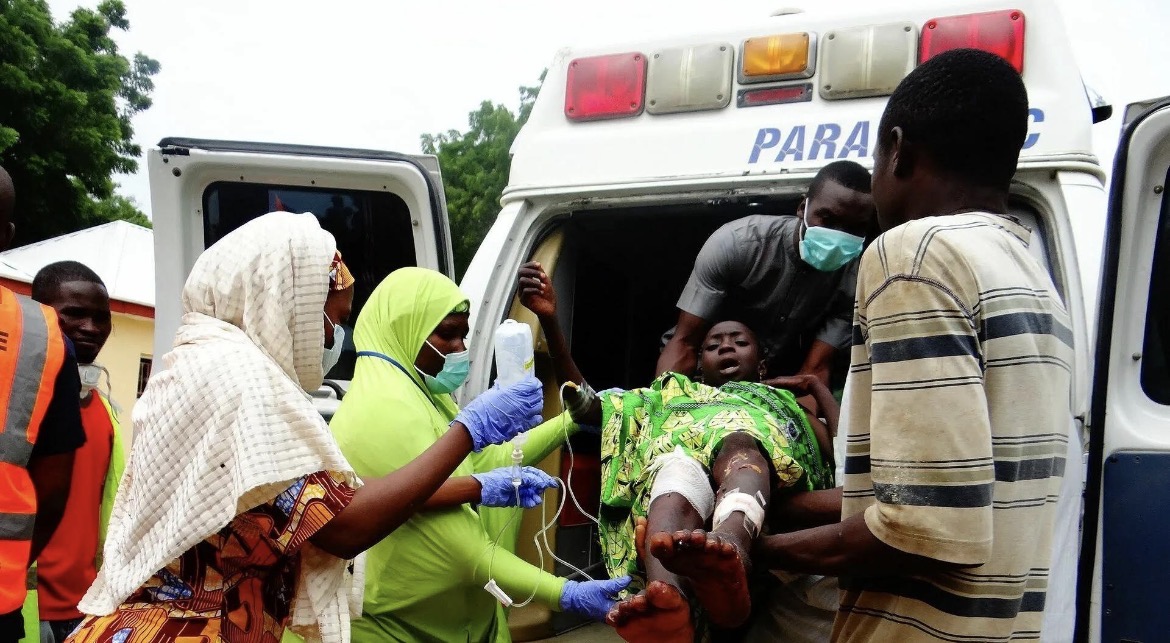
More than 100 students from several secondary schools in Ogun State have reportedly been hospitalised following another incident involving suspected gas emissions that caused breathing difficulties and fainting among students and school staff.
The incident occurred on Wednesday, October 21, 2026, affecting schools in Ijebu-Ode, Ago-Iwoye and Ijebu-Igbo. The affected students were taken to different healthcare facilities for medical attention as concerns grew over the recurring emissions in the area. (Vanguard News)
The incident has renewed concerns among parents, teachers and residents about the safety of students, particularly as similar occurrences have been reported in parts of the Ijebu area since April.
Students Rushed to Hospitals After Developing Symptoms
According to reports, students and staff began experiencing symptoms at about 10 a.m. on Wednesday after detecting an unusual gaseous odour around their school environments.
Some students reportedly developed breathing difficulties, while others experienced fainting and other symptoms that required urgent medical attention.
The affected individuals were taken to the State Hospital in Ijebu-Ode, the General Hospital in Ijebu-Igbo and other healthcare facilities for treatment.
A teacher at one of the affected schools, who spoke anonymously, said the situation deteriorated quickly after students and staff began experiencing difficulties breathing.
The teacher explained that some schools in Ago-Iwoye had to suspend academic activities around 11 a.m. as concerns over the unusual odour increased.
Worried parents also reportedly visited schools to take their children home amid fears about their safety.
The incident disrupted normal academic activities in the affected communities, raising fresh questions about the measures needed to prevent further exposure.
 Schools Affected by the Gas Emissions
Reports identified several schools among those affected by the latest incident.
They include Ijebu-Igbo Girls Grammar School, Anglican Girls Grammar School in Ijebu-Ode and Itamerin Comprehensive High School in Ago-Iwoye.
The unusual odour was also reportedly detected in surrounding areas, suggesting that the problem may extend beyond individual school premises.
The repeated incidents have placed students, teachers and residents on alert, with calls for authorities to establish the source of the emissions and implement measures to protect public health.
For parents, the situation has created additional concerns about sending their children to school while investigations into the recurring gas emissions remain ongoing.
Government Investigates Recurring Gas Emissions
The Ogun State Government has acknowledged the latest incident and said relevant authorities are working to assess the situation.
According to a report by Punch Newspapers, a government assessment team visited affected locations and healthcare facilities to evaluate the situation and gather information about the reported symptoms.
The symptoms recorded among affected students reportedly included shortness of breath, stomach disorders and drowsiness.
Some students required oxygen to stabilise their conditions, while others received less intensive medical treatment.
The government team also inspected affected school premises and surrounding areas as part of efforts to establish the extent of the incident.
Officials reported that most of the students treated at one of the hospitals had been discharged by the time the assessment team completed its visit, although some remained under medical observation. (Punch Newspapers)
The government has also involved relevant technical agencies in the investigation as it works to determine the source of the emissions.
Methane Identified in Previous Incidents
The latest incident has drawn attention because similar gas emissions have been reported in parts of Ogun State in recent months.
Previous occurrences in April, May and June affected students in the Ijebu area, with dozens requiring medical attention.
During earlier investigations, the state government identified methane among the gases detected in the affected areas.
In June, Governor Dapo Abiodun said the government was working with relevant ministries, regulatory authorities and experts from Olabisi Onabanjo University to investigate the problem.
Preliminary findings reportedly suggested that geological factors, including underground fractures associated with fault lines, could be responsible for the emissions.
However, the precise source of the latest occurrence still requires confirmation through ongoing investigations.
The recurring nature of the incidents has increased pressure on authorities to establish a lasting solution rather than rely solely on emergency responses whenever students develop symptoms.
 Residents Call for a Lasting Solution
The latest hospitalisations have renewed calls from affected communities for stronger environmental monitoring and urgent action to protect students and residents.
Parents and teachers are particularly concerned about the possibility of another occurrence while children are attending classes.
The reports of unusual odours outside school premises have also raised questions about the extent of the affected areas and whether additional monitoring is required.
Environmental investigations are expected to help authorities determine the source of the emissions, assess the potential risks and identify appropriate preventive measures.
Until the investigation is concluded, it remains important for officials to communicate verified information about the situation and provide clear guidance to schools and surrounding communities.
Establishing the cause of the emissions will be essential to developing an effective long-term response.
Safety Concerns Remain
The incident highlights the importance of protecting students and school staff from environmental hazards that may affect their health and disrupt education.
When an unusual gas or chemical odour is detected alongside symptoms such as breathing difficulties or fainting, affected individuals require prompt medical assessment, while the surrounding area should be evaluated by appropriate emergency and environmental professionals.
Schools also need clear procedures for responding to such incidents, including evacuating affected areas and contacting emergency services when necessary.
The recurring gas emissions in Ogun State make these measures particularly important while investigations continue.
Although the government has indicated that it is responding to the situation, residents will be looking for a confirmed explanation of the latest incident and evidence that effective measures are being implemented.
Conclusion
More than 100 students have reportedly been hospitalised following suspected gas exposure in schools across Ijebu-Ode, Ago-Iwoye and Ijebu-Igbo in Ogun State.
The incident on October 21 has renewed concerns about recurring gaseous emissions that have affected schools in the region since April.
While methane was identified during investigations into previous incidents, authorities are continuing efforts to establish the source and extent of the latest occurrence.
The immediate priority remains the health and safety of affected students, followed by a thorough investigation and the implementation of measures to prevent similar incidents.
Parents, teachers and residents will be awaiting further updates from the government as efforts to address the situation continue.