INEC Raises Alarm Over AI Disinformation Ahead of 2027 Elections
INEC Identifies Deepfakes as a Threat to Nigeria's Electoral Process
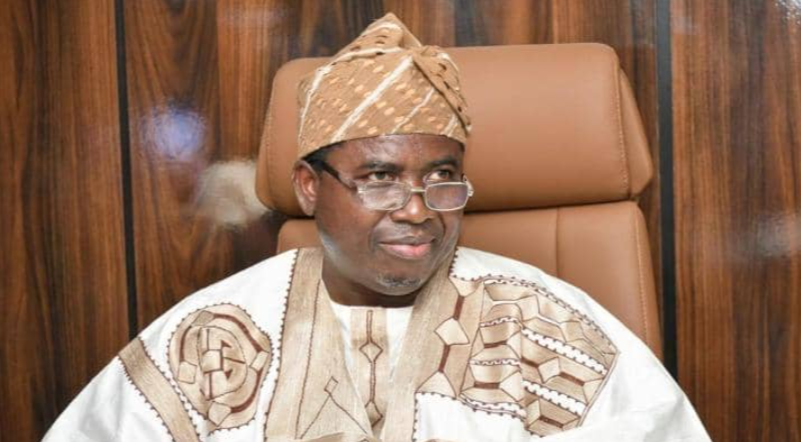
Nigeria's Independent National Electoral Commission (INEC) has raised concerns over the growing threat of artificial intelligence (AI)-generated misinformation, warning that deepfakes, cloned voices and fabricated election announcements could undermine the credibility of the country's 2027 general elections.
INEC Chairman, Professor Joash Amupitan, gave the warning on November 2, 2026, during the opening of a two-day National Summit on Electoral Information Integrity in Abuja.
The summit, themed "Beyond the Ballot: AI, Foreign Information Manipulation and Interference (FIMI), and the Integrity of Nigeria's 2027 Election", brought together electoral officials, media organisations, civil society groups, technology companies and other stakeholders to examine the impact of emerging technologies on democratic processes.
INEC Identifies Artificial Intelligence as an Electoral Threat
Speaking at the event, Amupitan explained that electoral threats were no longer limited to physical interference, ballot manipulation and conventional electoral malpractice.
He warned that artificial intelligence had made it easier for individuals and organised groups to produce convincing but misleading videos, photographs, audio recordings and digital documents.
According to him, such materials could be circulated online to mislead voters, damage the reputations of political candidates, create public tension and weaken confidence in electoral institutions.
The chairman identified deepfakes, voice cloning, synthetic media and coordinated online campaigns as some of the major challenges requiring attention before the 2027 elections.
He also noted that these threats could emerge at different stages of the electoral process, including voter registration, political campaigns, voting, result announcements and post-election dispute resolution.
Fake Election Results and Announcements Raise Concerns
One of INEC's major concerns is the possibility of fabricated election results and false announcements being circulated through social media platforms.
Amupitan warned that individuals could use AI tools to create fake result announcements, impersonate electoral officials or spread misleading information suggesting that voting had been postponed in certain locations.
Such activities could create confusion among voters and potentially trigger tension before official information reaches the public.
The commission has also warned about the possibility of fake voter registration portals and fabricated electoral directives being used to mislead citizens.
The chairman stressed that the authority to announce official election results rests with INEC, urging Nigerians to verify electoral information through recognised commission channels.
INEC Establishes AI Unit to Monitor Digital Threats
As part of its preparations, INEC disclosed in October 2026 that it had established an artificial intelligence unit within its Information and Communication Technology Directorate.
The unit is expected to strengthen the commission's ability to monitor digital threats, identify manipulated content and detect suspicious online activities targeting the electoral process.
Amupitan also explained that the commission was working to improve its technological capacity through digital monitoring tools, data analysis and deepfake detection systems.
However, he emphasised that artificial intelligence would support electoral administration rather than replace human responsibility.
According to the commission, important electoral decisions, including voter accreditation, result collation and candidate qualification, would remain subject to human oversight and established legal procedures.
INEC Calls for Cooperation With Social Media Companies
The commission has also called for stronger cooperation among technology companies, telecommunications providers, media organisations, fact-checkers and security agencies.
Amupitan argued that INEC could not address the growing threat of digital misinformation without the involvement of organisations responsible for producing, distributing and verifying online information.
He urged social media platforms to establish faster procedures for reviewing demonstrably manipulated electoral content and responding to deceptive impersonation.
The commission also wants independent journalists and fact-checking organisations to have reliable communication channels through which suspicious electoral information can be verified quickly.
Media Organisations Warn Against Digital Manipulation
The Executive Director of the International Press Centre, Dr Lanre Arogundade, also highlighted the dangers of misinformation and social media manipulation during the summit.
He called for a coordinated national response involving media organisations, electoral institutions, civil society groups and other relevant stakeholders.
The discussions emphasised the importance of protecting electoral information without undermining press freedom, legitimate political criticism or citizens' right to express their opinions.
Nigerians Urged to Verify Information Ahead of 2027
As preparations for the 2027 general elections continue, INEC is encouraging Nigerians to become more careful about the information they receive and share online.
The commission wants voter education to go beyond explaining how to vote and include teaching citizens how to verify electoral announcements and identify misleading digital content.
The warning highlights the importance of checking official sources before sharing claims about election dates, candidates, voter registration and results.
With artificial intelligence becoming increasingly accessible, the protection of electoral information is expected to remain an important part of Nigeria's preparations for the 2027 elections.
Ultimately, INEC says safeguarding democracy will require more than securing polling stations and election materials. It will also require protecting the information citizens depend on when making political decisions.
Follow AfriView
Don’t Miss the Next Big Story
Enjoyed this story? Stay connected with AfriView for the latest breaking news, trending stories and important updates from Nigeria, Africa and around the world.