INEC Publishes Voters’ Register Online as Questions Over Access Persist
Registered voters can now inspect the preliminary electoral register online ahead of the 2027 elections, but Nigerians need to know how to verify their details, report errors and prepare for the publication of the final list.
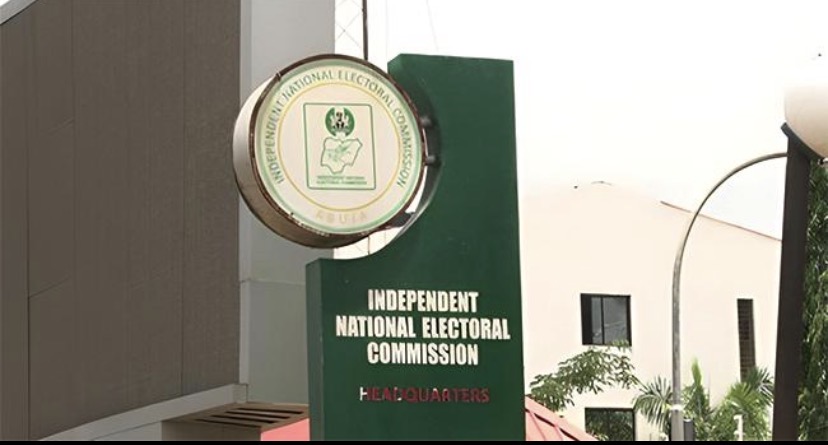
The Independent National Electoral Commission (INEC) has published the preliminary register of voters for the 2027 general elections online, giving Nigerians another opportunity to inspect their registration details ahead of the polls.
The development follows concerns from Nigerians and political stakeholders over the accessibility of the register after the commission conducted a physical display exercise across registration areas nationwide between October 9 and 15.
INEC announced that the same preliminary register displayed physically would be made available through its online platform to improve access and strengthen public confidence in the electoral process.
The register can be accessed through the commission’s dedicated portal at https://display.inecnigeria.org/.
The publication is an important step in the preparations for the 2027 elections because the preliminary register allows registered voters to check whether their details have been captured correctly before the final list is certified.
How Nigerians can check their registration details
Registered voters can visit INEC’s online register portal and follow the instructions provided to access the register for their polling units.
Users may need to sign in before proceeding. They can then select their state, local government area, ward and polling unit, or use the polling unit code where available.
The platform allows users to inspect the names and photographs of registered voters in the selected polling unit.
Voters should carefully check the information displayed, particularly their names and other registration particulars, and identify any apparent omissions or discrepancies.
The portal is intended for viewing the preliminary register. It should not be mistaken for a platform for fresh voter registration, transferring registration to another polling unit or replacing a Permanent Voter Card.
Anyone seeking to use those services should consult INEC’s official website and the relevant voter registration platform.
Why the preliminary register matters
An accurate voters’ register is one of the foundations of an orderly election.
If a registered voter discovers that their details are missing or incorrect, the preliminary inspection process provides an opportunity to raise the issue through the procedures established by the commission.
The exercise also gives political parties, civil society organisations and other interested stakeholders an opportunity to scrutinise the register and raise legitimate concerns before the final version is certified.
This matters in an election involving millions of registered voters across the country. Errors, omissions and unresolved discrepancies can create uncertainty for affected voters and undermine confidence in the electoral process.
INEC has said it is processing claims and objections arising from the inspection exercise ahead of the publication of the final register on December 15, 2026.
The commission’s decision to make the preliminary list available online may improve access for people who could not inspect the physical display at their registration areas. Nevertheless, online availability alone does not guarantee that every voter will be able to access the portal or understand the process for reporting an error.
Clear instructions and timely responses to legitimate complaints will therefore remain important.
What the online publication does not resolve
Although the online portal makes the preliminary register easier to inspect for some voters, it does not automatically correct errors in individual records.
Voters who discover a problem should follow INEC’s official claims-and-objections procedures rather than assume that viewing the record online is sufficient to resolve it.
The publication also does not replace the need for voters to understand their polling-unit information and the requirements for participating in the election.
For political parties and election observers, the central issue is whether the process provides a meaningful opportunity to identify and address legitimate concerns before the final register is issued.
INEC’s December 15 deadline will be an important milestone in determining whether the outstanding issues raised during the preliminary inspection have been processed.
What voters should do next
Nigerians who are already registered should check their details rather than wait until election day to discover a problem.
Those who encounter difficulties with the portal should consult the commission’s official channels for guidance. They should also avoid sharing sensitive personal information with unofficial websites claiming to provide voter verification services.
The 2027 election preparations are moving forward, but the credibility of the process will depend not only on publishing documents. It will also depend on how accessible those documents are, how transparently concerns are handled and whether voters can rely on the final register.
For voters, the immediate message is simple: check your details, understand the official procedure for reporting discrepancies and follow updates from INEC as the December deadline approaches.
Follow AfriView
Don’t Miss the Next Big Story
Enjoyed this story? Stay connected with AfriView for the latest breaking news, trending stories and important updates from Nigeria, Africa and around the world.