Dangote Refinery Cuts Petrol Gantry Price to ₦1,210 Per Litre as Fuel Market Adjusts
The ₦55 reduction follows a decline in the European gasoline benchmark used in the refinery’s pricing model, while marketers anticipate changes in retail pump prices.
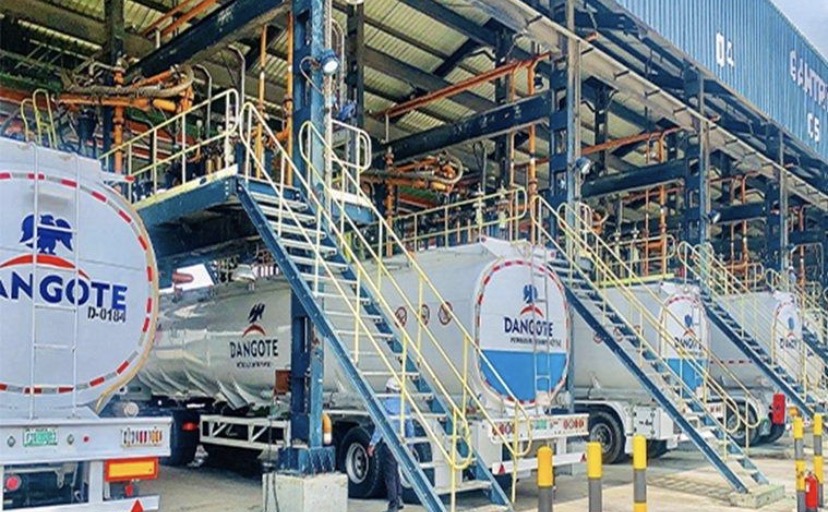
The Dangote Petroleum Refinery has reduced its petrol gantry price by ₦55, bringing the new rate to ₦1,210 per litre from the previous ₦1,265.
The adjustment, reported on November 2, 2026, represents a reduction of approximately 4.35 per cent and comes amid changing international gasoline prices and competition within Nigeria’s downstream petroleum market.
The price adjustment was announced by consortium marketers associated with the refinery and is expected to influence the prices at which petrol is supplied to filling stations and other distributors.
However, the reduction at the refinery’s gantry does not automatically mean that motorists will immediately purchase petrol at ₦1,210 per litre.
Transportation expenses, depot charges, distribution costs and retail margins remain important factors in determining the final price consumers pay.
The development nevertheless provides another indication of how changes in international petroleum markets can influence domestic fuel pricing.
Why did Dangote reduce the price?
According to reports, the reduction followed a decline in the European gasoline benchmark known as Eurobob (EBOB).
EBOB is an important reference price for gasoline traded in European markets and is used in pricing calculations within parts of the international petroleum trade.
The benchmark matters because crude oil and refined petroleum products are influenced by international supply and demand.
Changes in global refining activity, shipping costs, crude oil prices and regional demand can affect the prices of finished petroleum products.
Where domestic refiners use international benchmarks in their pricing models, movements in those markets can influence the cost of locally produced fuel.
The latest reduction therefore reflects changes in the pricing environment rather than an isolated decision to reduce costs without reference to market conditions.
Industry reports also identified improved product availability and narrowing price differences as factors influencing the adjustment.
Will Nigerians pay less at filling stations?
This is the question most motorists are likely to ask.
Although the refinery’s gantry price has fallen, the retail price depends on the supply arrangements between refiners, depot operators, transporters and filling station owners.
Some depot operators in Lagos reportedly reduced their prices following the adjustment, with several making cuts exceeding ₦40 per litre.
The reductions suggest that the effect could gradually extend beyond the refinery’s immediate customers.
The Independent Petroleum Marketers Association of Nigeria (IPMAN) has also indicated that its members would adjust pump prices after receiving supplies at the new rate.
However, the timing and extent of the reductions may differ between locations.
For example, a filling station located close to a major supply depot may face different distribution expenses from one transporting fuel over a longer distance.
These differences can influence the final price even when retailers purchase petrol from the same source.
What does the reduction mean for the economy
Petrol remains an important input in Nigeria’s economy because it powers private vehicles, commercial transportation and several small businesses.
Changes in petrol prices can influence the cost of transporting food, delivering goods and moving people between locations.
When fuel prices increase, businesses may transfer some of the additional expenses to consumers through higher prices for goods and services.
A reduction could ease some of these pressures, particularly for transport operators and businesses that depend heavily on petrol-powered vehicles and generators.
However, the broader economic impact depends on whether the reduction is sustained and passed on to consumers.
A temporary price adjustment may provide limited relief if international petroleum prices rise again or domestic distribution expenses remain high.
The growing role of local refining
The Dangote Petroleum Refinery has become an important part of Nigeria’s changing petroleum market.
For decades, the country relied heavily on imported refined petroleum products despite being one of Africa’s major crude oil producers.
This arrangement exposed Nigeria to international supply disruptions, foreign exchange pressures and fluctuations in refined petroleum prices.
The emergence of large-scale domestic refining capacity has introduced another source of supply into the market.
Local refining can reduce dependence on imported products and create opportunities for more direct relationships between producers, marketers and consumers.
However, domestic refining does not completely remove Nigeria from international market movements.
The cost of crude oil, refining inputs, foreign exchange and global product benchmarks can still influence local prices.
Competition between suppliers also remains important in determining the prices offered to consumers.
What motorists should watch next
For consumers, the most important development will be whether filling stations implement reductions following the lower gantry price.
Motorists should also pay attention to differences between retail outlets, as prices may not change uniformly across states and cities.
Regulatory authorities and industry stakeholders will continue to face questions about pricing transparency, product availability and the extent to which changes in refinery prices are reflected in retail markets.
Ultimately, the value of the latest reduction will be determined by what happens at the pump.
For households already dealing with higher transportation and living expenses, even a modest reduction can provide some relief.
But Nigerians will be watching closely to see whether the ₦55 reduction becomes a meaningful change in their daily expenses or remains largely a development within the petroleum supply chain.
Follow AfriView
Don’t Miss the Next Big Story
Enjoyed this story? Stay connected with AfriView for the latest breaking news, trending stories and important updates from Nigeria, Africa and around the world.