Abike Dabiri-Erewa Faces Criticism Over Tinubu Campaign Role Ahead of 2027 Elections
Abike Dabiri-Erewa Faces Criticism Over Tinubu's 2027 Campaign Role
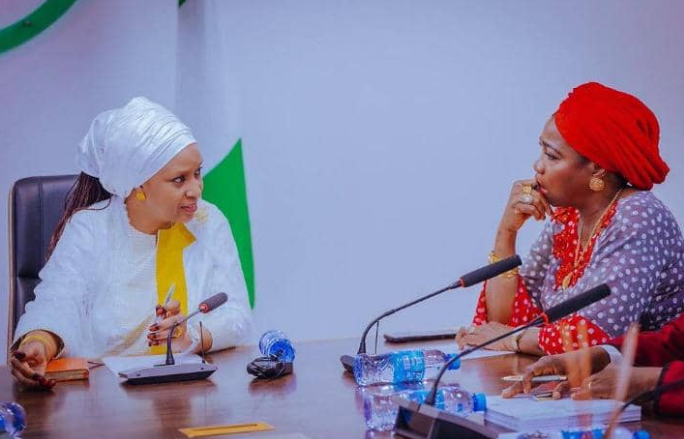
The Chairman of the Nigerians in Diaspora Commission (NiDCOM), Abike Dabiri-Erewa, has come under criticism following her reported appointment as Director of Diaspora Mobilisation for President Bola Tinubu's 2027 re-election campaign.
The criticism was raised by Frederick Odorige, a former President of the Nigerians in Diaspora Organisation (NIDO), Hungary, who questioned whether Dabiri-Erewa's involvement in partisan political activities is compatible with her responsibilities as the head of a government commission.
In a statement published on November 3, 2026, Odorige argued that her dual involvement in public service and political mobilisation could raise concerns about compliance with Nigeria's Public Service Rules.
The development has generated fresh discussions about the relationship between public office, political participation and the responsibilities of government officials ahead of the 2027 general elections.
Dabiri-Erewa Takes on Tinubu's Diaspora Campaign Role
Dabiri-Erewa's campaign involvement became public following the announcement of plans to mobilise Nigerians living abroad in support of President Tinubu's second-term ambition.
According to a report by the Voice of Nigeria published on October 29, 2026, she outlined plans to activate All Progressives Congress (APC) diaspora chapters across five continents and strengthen digital advocacy for the president's re-election campaign.
The initiative includes a digital campaign known as "Operation Tell Your Home Story", which is designed to provide Nigerians abroad with videos, infographics and other communication materials highlighting the administration's policies and achievements.
The campaign is also expected to encourage diaspora Nigerians to engage relatives and communities in Nigeria through political discussions, voter education and grassroots mobilisation.
Dabiri-Erewa explained that the initiative would accommodate both APC members and Nigerians in the diaspora who are not affiliated with any political party but wish to participate in the campaign.
Frederick Odorige Questions Compliance With Public Service Rules
Reacting to the development, Odorige argued that Dabiri-Erewa's position as NiDCOM chairman creates questions about the separation between public responsibilities and partisan political activities.
He specifically referred to Rule 030422 of Nigeria's Public Service Rules, which restricts certain political activities by public officers unless express government permission has been obtained.
The rule, as cited in his statement, addresses participation in political organisations, public declarations of support for political candidates and involvement in election campaigns.
Odorige argued that the reported appointment should therefore be examined in light of the regulations governing public servants.
However, his criticism represents his interpretation of the applicable rules. Whether Dabiri-Erewa's particular appointment breaches any regulation would require consideration of her employment status, applicable permissions and the relevant legal provisions.
Concerns Over NiDCOM's Independence
Another issue raised by Odorige concerns the responsibilities of NiDCOM as a government institution established to engage with and represent Nigerians living abroad.
He argued that the commission should serve Nigerians across different political affiliations rather than become associated with the electoral interests of a particular political party.
According to him, using diaspora networks for partisan mobilisation while heading a government commission could create questions about public confidence in the institution.
He also questioned the attention given to political mobilisation compared with longstanding demands from Nigerians abroad, particularly the introduction of diaspora voting.
Diaspora Voting Remains an Unresolved Issue
Odorige also criticised what he described as limited progress towards allowing eligible Nigerians living abroad to participate directly in national elections.
Diaspora voting has remained an important subject in discussions about electoral inclusion and constitutional reform.
Dabiri-Erewa has previously acknowledged that constitutional amendments would be required before Nigerians living abroad could vote from their countries of residence.
The House of Representatives considered proposed constitutional amendments relating to diaspora voting in November 2024, reflecting continuing legislative interest in the issue.
The debate highlights the difference between encouraging Nigerians abroad to influence political conversations at home and granting them the legal opportunity to cast their own ballots overseas.
Debate Over Public Office and Political Participation
The controversy raises broader questions about the boundaries between public service responsibilities and political participation as Nigeria approaches the 2027 general elections.
Public officials are expected to perform their institutional duties in accordance with applicable regulations, while political parties and individuals retain rights to participate in lawful political activities.
The central issue raised by Odorige is whether those responsibilities can be maintained when a serving government commission head assumes a prominent role in a partisan presidential campaign.
As of November 3, 2026, no specific response from Dabiri-Erewa or NiDCOM addressing Odorige's latest criticism was identified in the reports reviewed.
Attention Turns to NiDCOM and the 2027 Campaign
With political mobilisation gradually increasing ahead of the 2027 elections, the debate surrounding Dabiri-Erewa's appointment is likely to remain part of wider discussions about public accountability and political participation.
The matter also places attention on the need for clear explanations of the rules governing public officials who become involved in election campaigns.
For now, Odorige's criticism has brought the relationship between NiDCOM's institutional responsibilities and the APC's diaspora mobilisation plans into public discussion.
Whether the arrangement raises a formal regulatory issue will depend on the applicable rules, any permissions granted and further clarification from the relevant authorities.
Follow AfriView
Don’t Miss the Next Big Story
Enjoyed this story? Stay connected with AfriView for the latest breaking news, trending stories and important updates from Nigeria, Africa and around the world.