Yobe Reduces Motorcycle Loan Repayment to 40%, Targets 2,000 Civil Servants
The adjustment is expected to make the motorcycle loan scheme more accessible as the state government targets 2,000 beneficiaries.
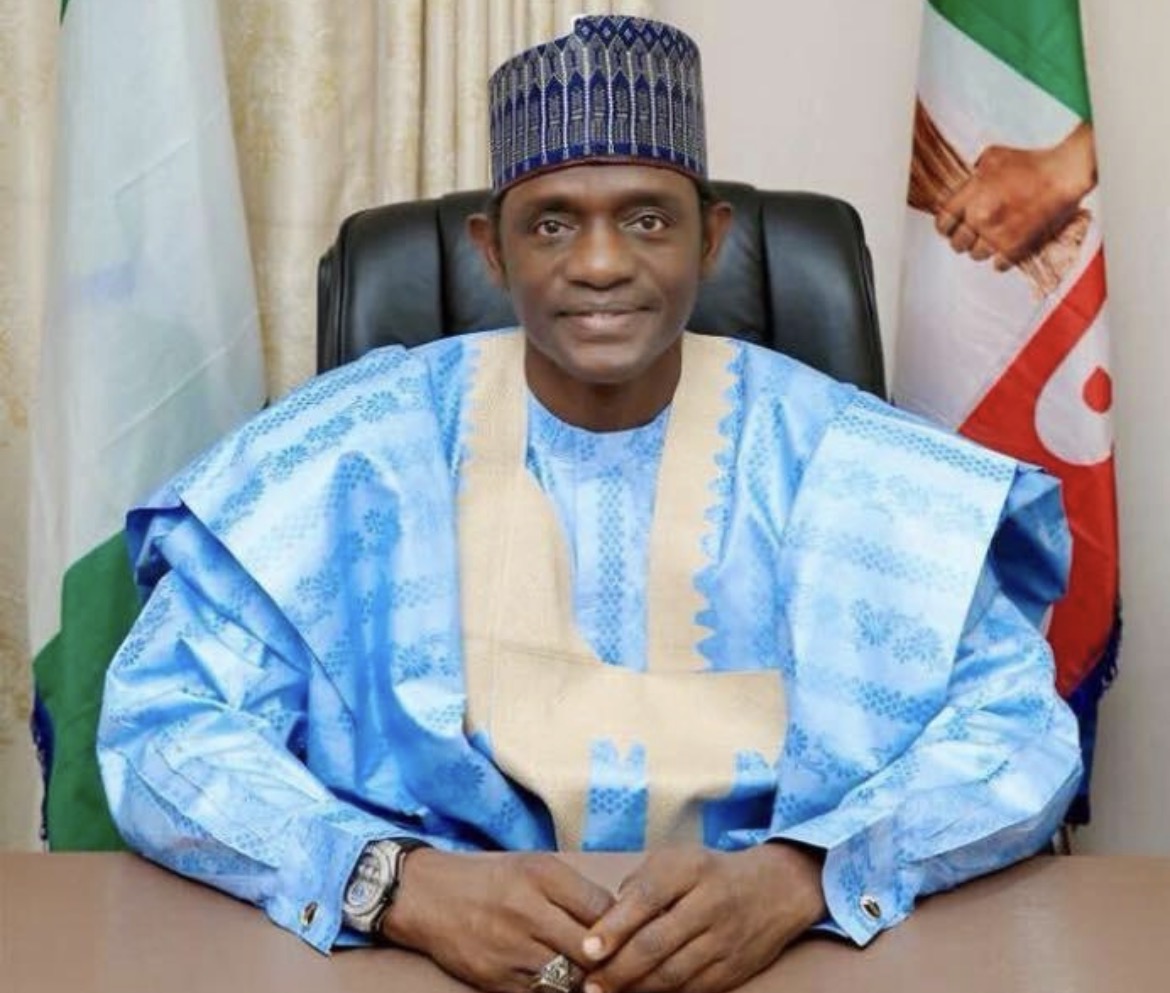
The Yobe State Government has reduced the repayment requirement under its motorcycle loan scheme for civil servants from 60 per cent to 40 per cent, in a move aimed at easing workers’ financial pressure and encouraging more employees to participate.
The Chairman of the Nigeria Labour Congress (NLC) in Yobe State, Comrade Muktar Musa Tarbutu, disclosed the development in an interview with LEADERSHIP.
According to Tarbutu, the adjustment was introduced to take account of the financial challenges facing workers and make the programme more accessible to eligible civil servants.
He said the government was targeting approximately 2,000 beneficiaries under the scheme, adding that 1,724 workers had already been captured in the first batch.
The initiative is designed to help government employees acquire motorcycles to improve their daily transportation, particularly those who travel considerable distances to their workplaces.
1,724 Workers Captured in First Batch
Tarbutu explained that workers who had submitted their application forms, completed the required screening and fulfilled the financial arrangements would qualify to collect their motorcycles.
He added that repayments would be made through monthly deductions from beneficiaries’ salaries, allowing workers to spread their financial obligations over time.
The reduction from 60 per cent to 40 per cent represents an adjustment intended to reduce the financial demands placed on participating workers.
Although the NLC chairman did not provide further details on the exact repayment figures under the revised arrangement, he said the change was expected to encourage wider participation.
Transportation Costs Put Pressure on Workers
The development comes as rising transportation expenses continue to affect the monthly budgets of many Nigerian workers.
For civil servants who depend on commercial transportation to get to their offices, daily commuting costs can take a significant portion of their salaries.
Some workers in Yobe State have welcomed the adjustment, saying owning a motorcycle could help them reduce transportation expenses and make movement between their homes and workplaces easier.
A civil servant in Damaturu, Umar M. Sulaiman, described the reduction as a welcome development.
He said owning a motorcycle would make it easier for him to travel to work and take his children to school without spending money on commercial transportation every day.
Another applicant, Usman Ahmad, said he spends approximately ₦3,000 on transportation on a normal working day.
He explained that the accumulated cost over several working days places considerable pressure on his monthly earnings.
According to him, owning a motorcycle would help reduce those expenses and make his daily commute more convenient.
Not All Workers Support the Arrangement
Despite the positive reactions from some applicants, the scheme may not be suitable for every civil servant.
Another worker, Fatsuma A. Lawan, said the government should consider the different needs and financial circumstances of employees before making the arrangement compulsory or placing financial expectations on everyone.
She explained that some workers, particularly those who do not need motorcycles, may have other family and personal responsibilities that require their income.
Her comments highlight the importance of ensuring that participation in the scheme reflects individual needs and that workers clearly understand the repayment conditions before accepting the loans.
Some applicants have also expressed hope that the distribution process will be transparent and that workers who have completed the necessary requirements will receive their motorcycles without unnecessary delays.
Background of Yobe’s Motorcycle Loan Scheme
The motorcycle programme forms part of broader efforts by the Yobe State Government to address transportation challenges among civil servants.
In January 2026, the state government inaugurated a distribution and monitoring committee for a scheme involving 5,000 Hunter Boxer motorcycles.
At the time, the state’s Head of Service, Abdullahi Musa Shehu, said the initiative followed a request by the Yobe State chapter of the Nigeria Labour Congress to reduce the transportation burden on workers.
The motorcycles were valued at approximately ₦1.5 million each, with an initial repayment arrangement of ₦60,000 monthly over 25 months.
The Head of Service also disclosed that Governor Mai Mala Buni had approved a 20 per cent waiver, reducing the monthly deduction to ₦48,000 per beneficiary under that arrangement.
The committee was established to oversee applications, identify qualified workers, monitor distribution and ensure that repayment deductions were properly implemented.
The latest adjustment reported by the NLC chairman indicates a further change to the scheme’s repayment requirements.
What Happens Next?
With 1,724 workers already captured in the first batch and a target of about 2,000 beneficiaries, attention will now focus on the distribution process and implementation of the revised repayment arrangement.
The success of the programme will depend partly on transparent selection, timely distribution and clear communication of the financial conditions to beneficiaries.
For workers who spend a substantial part of their salaries on daily transportation, the opportunity to own a motorcycle could provide some relief.
However, the concerns raised by some employees also show why government-backed loan programmes need to take account of different workers’ needs and financial circumstances.
The state government and labour representatives will be expected to ensure that eligible applicants understand the terms before collecting their motorcycles.
Source: LEADERSHIP Newspaper.
Follow AfriView
Don’t Miss the Next Big Story
Enjoyed this story? Stay connected with AfriView for the latest breaking news, trending stories and important updates from Nigeria, Africa and around the world.