UK Evacuates Doctor Infected with Ebola from DR Congo for Specialist Treatment
The British healthcare worker is receiving treatment in a high-level isolation unit in London as the Ebola outbreak continues to affect several African countries, raising concerns about cross border disease surveillance and healthcare worker safety.
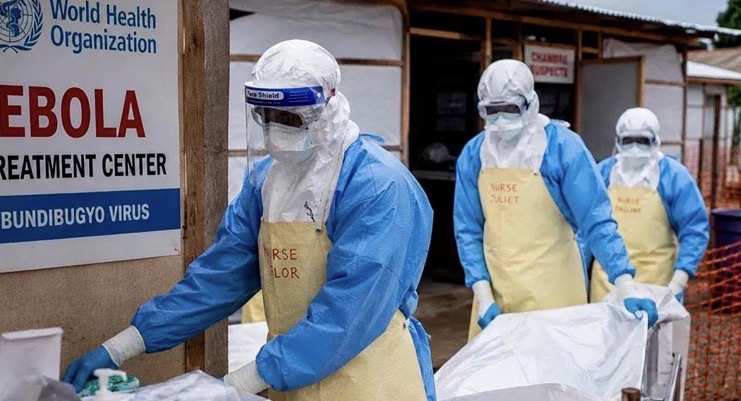
The United Kingdom has evacuated a British medical doctor who tested positive for Ebola while working in the Democratic Republic of Congo (DR Congo), transferring the healthcare worker to London for specialist treatment as the outbreak continues to challenge public health systems across parts of Africa.
The British government confirmed on Thursday, November 5, that the doctor had been safely transported to the country through a medical evacuation operation coordinated with the Congolese government and international health partners.
According to the Department of Health and Social Care, the patient is currently receiving treatment in a high-level isolation unit at the Royal Free Hospital in London.
The doctor’s identity has not been publicly disclosed. However, authorities confirmed that the individual had been working as part of the response to the ongoing Ebola epidemic in DR Congo before testing positive for the infection.
The evacuation was carried out using established infection prevention and control procedures designed to protect medical personnel, transport teams and members of the public.
UK activates specialist treatment facilities
Following the doctor’s arrival, the Royal Free Hospital admitted the patient into its High Consequence Infectious Disease isolation unit, a specialised facility designed to manage patients with serious infectious diseases requiring advanced infection-control measures.
The unit is staffed by specially trained doctors, nurses, therapists and laboratory professionals equipped to provide treatment while minimising the possibility of transmission.
The UK Health Security Agency (UKHSA) has reassured the public that the risk of further transmission remains low.
Dr Renu Bindra, Deputy Director of All Hazards Public Health Response at UKHSA, said the agency and the National Health Service have established infection prevention and control protocols to limit the possibility of the virus spreading.
Authorities have also explained that Ebola does not spread through the air. Transmission generally occurs through direct contact with the blood or other bodily fluids of an infected person who is experiencing symptoms.
The patient is being treated under strict isolation arrangements, with healthcare workers using appropriate protective equipment.
Ebola outbreak continues to spread across African countries
The evacuation comes amid a significant Ebola outbreak in DR Congo caused by the Bundibugyo virus, a species of the Ebola virus.
According to the European Centre for Disease Prevention and Control’s November 5 update, DR Congo had recorded 10,668 confirmed cases and 5,198 related deaths as of November 4, based on data available up to November 3.
Eight provinces have been affected, with community transmission continuing in the country.
The outbreak has also raised regional concerns following the detection of cases in other African countries, including Kenya and Nigeria.
The infection of healthcare workers is particularly concerning because medical personnel often operate in high-risk environments while caring for infected patients.
Although protective equipment and established infection-control procedures significantly reduce exposure, healthcare workers remain vulnerable when responding to outbreaks involving highly infectious diseases.
The current situation has therefore renewed calls for stronger surveillance, adequate protective equipment, improved healthcare infrastructure and coordinated international support for affected communities.
Nigeria also monitoring Ebola-related developments
Nigeria has recorded an imported case of Bundibugyo virus disease linked to the wider regional outbreak.
The Nigeria Centre for Disease Control and Prevention (NCDC) confirmed the case on October 20, 2026, involving an individual who had travelled from Uganda to Abuja.
The patient was subsequently medically evacuated to Switzerland on October 26 for further treatment.
According to the NCDC’s November 4 situation report, 62 contacts had been identified for monitoring. Six had completed their mandatory 21-day follow-up period, while no new contacts or symptomatic contacts were recorded in the preceding 24 hours.
The agency continues to coordinate surveillance and follow-up activities as part of efforts to prevent further transmission.
The situation highlights the importance of Nigeria’s preparedness, particularly given the country’s international travel connections and the possibility of imported infectious diseases.
Health authorities continue to emphasise early detection, timely reporting and effective contact tracing as essential components of outbreak management.
Why healthcare worker protection matters
The latest evacuation also draws attention to the risks faced by medical professionals and humanitarian workers operating during infectious disease emergencies.
Healthcare workers are often among the first people to encounter infected patients, making access to protective equipment, adequate training and reliable infection-control systems essential.
Beyond individual protection, weaknesses in healthcare facilities can increase the possibility of infections spreading within hospitals and into surrounding communities.
The ongoing outbreak demonstrates why disease response cannot depend solely on emergency evacuations after healthcare workers become infected.
Investments in local treatment facilities, laboratory capacity, trained personnel and community-based surveillance remain important for controlling outbreaks at their source.
As the British doctor receives specialist care in London, attention remains on the situation in DR Congo and other affected countries.
The UK government has maintained that the risk to its wider population remains low, while international health partners continue working to contain the outbreak and strengthen protection for frontline personnel.
Follow AfriView
Don’t Miss the Next Big Story
Enjoyed this story? Stay connected with AfriView for the latest breaking news, trending stories and important updates from Nigeria, Africa and around the world.