Tinubu Seeks Senate Approval for $7.7 Billion Loan, Replaces Earlier $20.5 Billion Proposal
President Bola Tinubu has asked the National Assembly to approve a fresh external borrowing plan worth $7.7 billion to help finance Nigeria’s 2026 budget deficit, with the Senate referring the request to its debt committee for consideration.
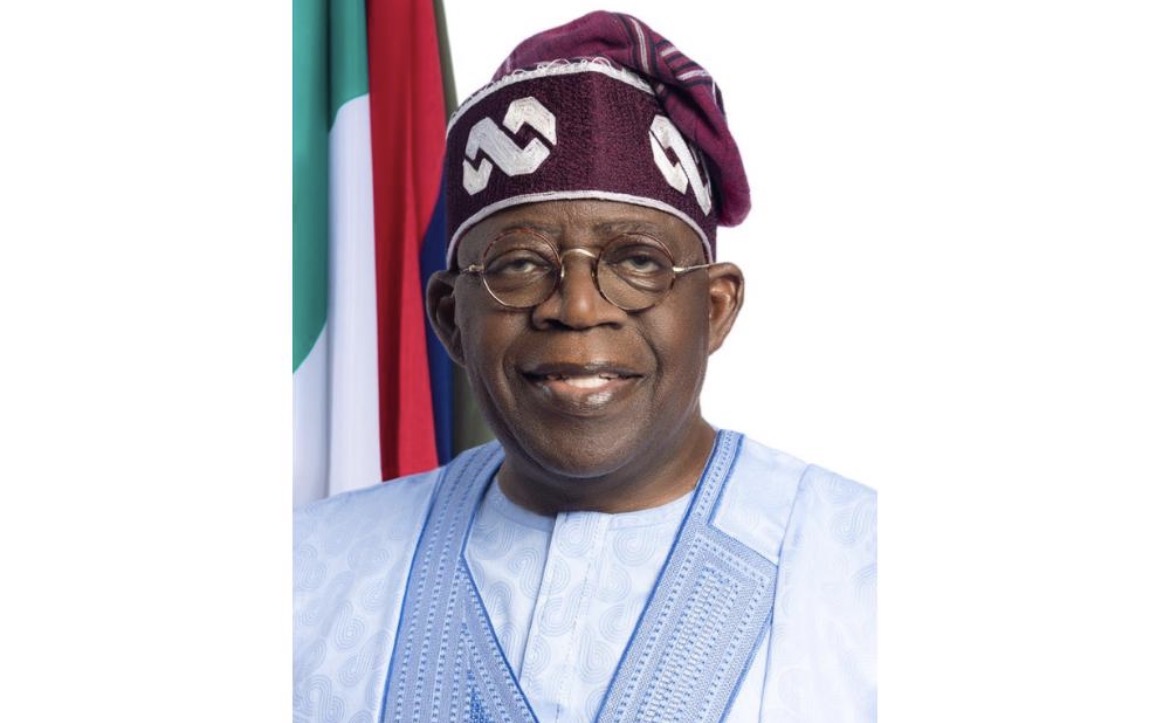
Tinubu Seeks Approval for Fresh $7.7 Billion External Loan
President Bola Ahmed Tinubu has requested the approval of the Nigerian Senate for a fresh external borrowing plan worth approximately $7.7 billion to help finance part of the Federal Government’s 2026 budget deficit.
The new request replaces an earlier borrowing proposal of approximately $20.5 billion and €1.045 billion, which the President had previously submitted to the National Assembly for consideration.
The latest request was conveyed in a letter dated October 26, 2026, addressed to Senate President Godswill Akpabio and read during plenary on Wednesday, November 4.
According to the President, the proposed borrowing amounts to approximately ₦10.79 trillion when calculated at the exchange rate of ₦1,400 to the dollar used in the 2026 budget.
The request is intended to provide part of the external financing required to implement projects and programmes contained in the 2026 Appropriation Act.
Following the presentation of the letter, the Senate referred the request to its Committee on Local and Foreign Debts for further legislative consideration.
The committee is expected to examine the proposal and report its findings to the Senate before further action is taken.
Why the Federal Government Wants to Borrow
In his communication to the lawmakers, President Tinubu explained that the 2026 Appropriation Act provides for total new borrowing of approximately ₦29.2 trillion to help finance a projected budget deficit.
The borrowing plan consists of ₦18.4 trillion in domestic borrowing and ₦10.79 trillion in external borrowing.
The $7.7 billion request represents the foreign borrowing component of the approved financing plan.
The Federal Government says the funds are needed to support important national projects and programmes while addressing the country’s infrastructure and development challenges.
The President identified defence and security, transportation, agriculture, power, education and healthcare as priority sectors expected to benefit from the proposed borrowing.
These sectors have continued to face funding challenges, with the government maintaining that additional financing is necessary to improve public services, strengthen infrastructure and support economic growth.
However, the request comes amid ongoing public debate about Nigeria’s growing debt obligations and the cost of servicing government loans.
Government Considers Multiple Sources of Financing
President Tinubu said the Federal Government would explore different sources of international financing to raise the required funds.
The options include concessional and commercial loans from multilateral and bilateral institutions, facilities from the International Monetary Fund, bridge financing arrangements, direct borrowing from international financial institutions and the issuance of Eurobonds.
The President explained that the government would assess the costs, benefits and time required to access each financing option before making its final decisions.
He also indicated that greater emphasis would be placed on Eurobond issuance because it could allow the government to raise substantial funds within a relatively short period.
Eurobonds are debt securities issued by a government or organisation in an international market, usually denominated in a currency different from that of the country where they are issued.
For Nigeria, issuing Eurobonds provides an opportunity to raise foreign currency from international investors.
However, the final interest rates, repayment periods and other borrowing conditions would depend on prevailing market conditions at the time the transactions are completed.
Tinubu assured lawmakers that the Ministry of Finance and the Debt Management Office would work together to secure favourable borrowing terms for the country.
Senate Says New Request Replaces Earlier Proposal
Reacting to the President’s letter, Senate President Godswill Akpabio said the latest request effectively supersedes the earlier external borrowing proposal.
The previous request sought approval to process loans worth approximately $20.52 billion and €1.045 billion under the Federal Government’s 2026–2027 Supplementary External Borrowing Rolling Plan.
That proposal was intended to finance projects in infrastructure, agriculture, healthcare, education, water supply, security and employment generation.
Akpabio said the new submission was more explicit about the proposed financing arrangements and the sources from which the government intends to obtain the funds.
The Senate President subsequently referred the request to the Committee on Local and Foreign Debts for further scrutiny.
The referral means the proposed borrowing has not yet received final legislative approval.
The committee’s review will be an important step in determining whether the government can proceed with the external financing plan.
Concerns Over Nigeria’s Rising Debt
The proposed loan has renewed discussions about Nigeria’s public debt and the country’s ability to meet its financial obligations.
Over the years, the Federal Government has relied on borrowing to finance budget deficits, infrastructure development and other public expenditure.
While borrowing can provide resources for projects that support economic growth, concerns have been raised about the impact of debt servicing on government revenue.
A significant portion of public revenue is used to repay loans and service interest obligations, leaving less money available for infrastructure, healthcare, education and other essential services.
Economists have repeatedly stressed the importance of improving government revenue collection and ensuring that borrowed funds are directed towards productive investments.
The government, however, maintains that borrowing is necessary to address Nigeria’s infrastructure deficit and finance projects that can support long-term development.
The administration has also argued that securing financing on favourable terms and investing in priority sectors can help strengthen the economy.
What the Loan Could Mean for Nigerians
If approved and successfully raised, the proposed external borrowing could provide additional funding for government projects across several sectors.
Investments in transportation could improve road networks and facilitate the movement of goods and people.
Additional funding for agriculture could support food production, while investments in power could help address electricity challenges affecting households and businesses.
Education and healthcare projects could also benefit from increased government spending.
However, the ultimate impact will depend on how effectively the borrowed funds are managed and whether the projects deliver measurable benefits to Nigerians.
The proposed borrowing also highlights the importance of transparency and accountability in the use of public funds.
As the Senate begins its consideration of the request, attention will remain on the terms of the proposed loan, the projects it will finance and the government’s ability to manage its debt obligations.
The Senate Committee on Local and Foreign Debts is expected to report back to the chamber for further legislative action.
Follow AfriView
Don’t Miss the Next Big Story
Enjoyed this story? Stay connected with AfriView for the latest breaking news, trending stories and important updates from Nigeria, Africa and around the world.