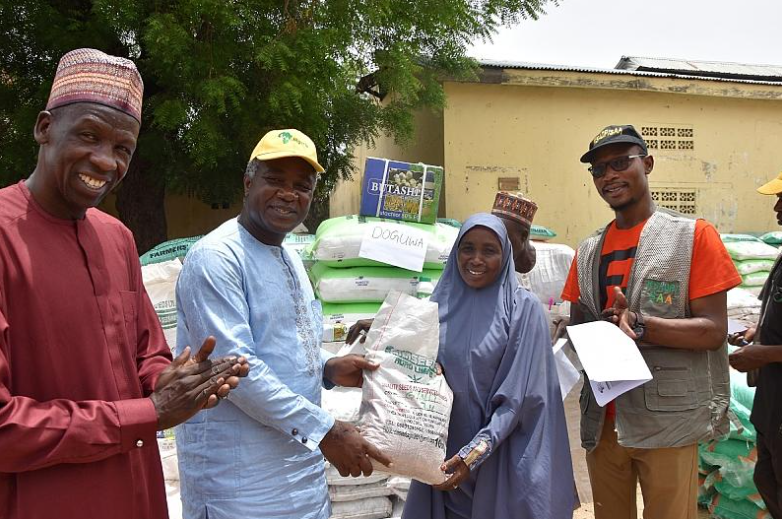
Nigerian stakeholders call for stronger food-safety measures to tackle hunger
Agriculture experts, researchers and regulators urge safer food handling, improved processing and practical farming technology to help Nigerians access affordable, nutritious food.
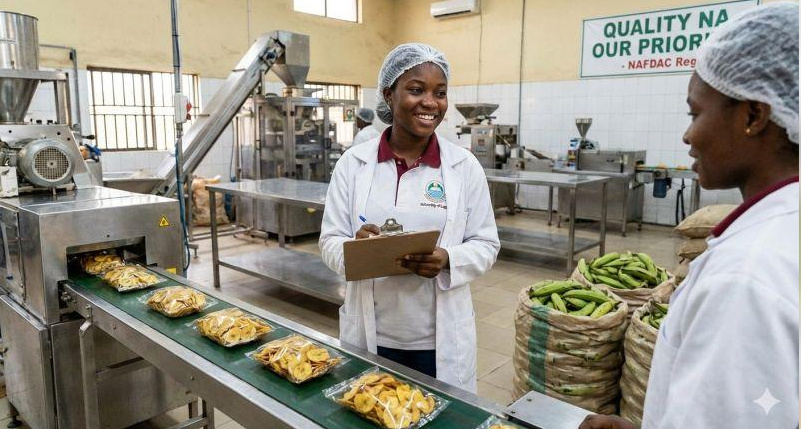
Agriculture stakeholders, researchers and food regulators in Nigeria have called for stronger food-safety measures, improved food processing and wider use of practical agricultural technology as part of efforts to tackle hunger and strengthen the country’s food system.
The call was made at a conference organised by the Hope for Life Initiative (HFLI), in partnership with the Nigerian Institute of International Affairs (NIIA) and the Federal Institute of Industrial Research, Oshodi (FIIRO). The event, held in Lagos to commemorate the 2026 World Food Day, focused on the theme “Hand in Hand for Better Foods and a Better Future.”
The participants stressed that addressing hunger requires more than increasing the quantity of food produced. Food must also be safe to consume, properly processed and stored, and affordable enough for households to obtain the nutrients they need.
Food safety is essential to tackling hunger
Kendi Aig-Imoru, convener and executive director of the Hope for Life Initiative, said the organisation was working with partner institutions to promote community-based interventions and raise awareness about hunger.
He emphasised the need for collaboration among farmers, government agencies, research institutions and private organisations, while highlighting the contributions of women farmers to food production and household nutrition.
Aig-Imoru also encouraged people to grow food in available spaces, including small gardens, as one practical way to improve access to fresh produce. Such efforts can supplement household food supplies, although they cannot replace broader action to address poverty, high food prices and gaps in food distribution.
The discussion reflects a wider challenge for Nigeria: even when food is available in markets, unsafe handling, contamination, poor storage and adulteration can threaten public health and undermine consumer confidence.
NAFDAC urges compliance with food-safety standards
The director-general of the National Agency for Food and Drug Administration and Control (NAFDAC), Mojisola Adeyeye, represented at the conference by regulatory officer Jangnan Amos, urged farmers and food processors to follow recognised food-safety practices.
Adeyeye highlighted digital regulatory systems designed to make compliance and product registration more efficient. These include the NAFDAC Automated Product Administration and Monitoring System (NAPAMS) and the Post-inspection Data Capture and Risk Management System (PCAMS), which supports regulatory processes involving imported products.
Improved digital systems can help streamline administrative processes and strengthen regulatory oversight. Their effectiveness, however, depends on consistent implementation, adequate monitoring and businesses’ willingness to meet required standards.
The call also highlights the importance of safe practices throughout the food chain—from the farm and processing facility to transport, storage, retail and the consumer’s kitchen.
Technology can help farmers reduce risks and losses
Yen Choi, president of Netcom Africa and a board member of Ignitia, emphasised that agricultural technology should solve real problems faced by farmers rather than focus on technology for its own sake.
He identified reliable weather forecasts as particularly valuable for deciding when to plant, organising farm labour, planning transportation and storage, and protecting farmers’ investments against changing weather conditions.
Access to timely forecasts can help farmers make better-informed decisions, although weather information must be accessible, understandable and relevant to local farming conditions to deliver practical benefits.
Post-harvest losses remain a major challenge
Adeola Akanbi, a research officer at FIIRO, pointed to post-harvest losses, limited processing capacity and the high cost of nutritious food as significant obstacles to improving Nigeria’s food system.
He called for greater use of research, innovation and strategic partnerships to turn locally available agricultural produce into safe, nutritious and affordable food products.
Better preservation, processing and packaging can help extend shelf life, reduce waste and create additional income opportunities for farmers and small businesses. Investment in storage facilities and transportation is also important, particularly for perishable products such as tomatoes, fruits, vegetables and fish.
Benedict Itegbe, the South-West regional coordinator of the Nigerian Export Promotion Council, also urged farmers and agro-processors to meet required standards to strengthen the export potential of Nigerian agricultural products.
Stronger cooperation needed to fight hunger
The conference concluded with a call for stronger cooperation among regulators, farmers, researchers, food businesses and community organisations.
For Nigeria, tackling hunger requires a coordinated approach that combines higher agricultural productivity with safer food production, better storage, efficient processing and improved access to affordable nutrition.
Stronger food-safety enforcement can protect consumers, while practical technology and local processing can help farmers retain more of the value of their harvests. Community initiatives, including household food gardens, can provide additional support.
Ultimately, stakeholders say the goal must be a food system in which Nigerians can obtain food that is not only available, but also safe, nutritious and affordable. Achieving that goal will require sustained investment, effective regulation and practical solutions that reach farmers, processors and households across the country.
Follow AfriView
Don’t Miss the Next Big Story
Enjoyed this story? Stay connected with AfriView for the latest breaking news, trending stories and important updates from Nigeria, Africa and around the world.