AFAN Urges Early Distribution of Farm Inputs for Kaduna Dry-Season Farmers
Farmers’ association says timely delivery of seeds, fertiliser and other essential supplies is crucial to supporting 15,000 farmers, recovering from erratic rainfall and strengthening food security.
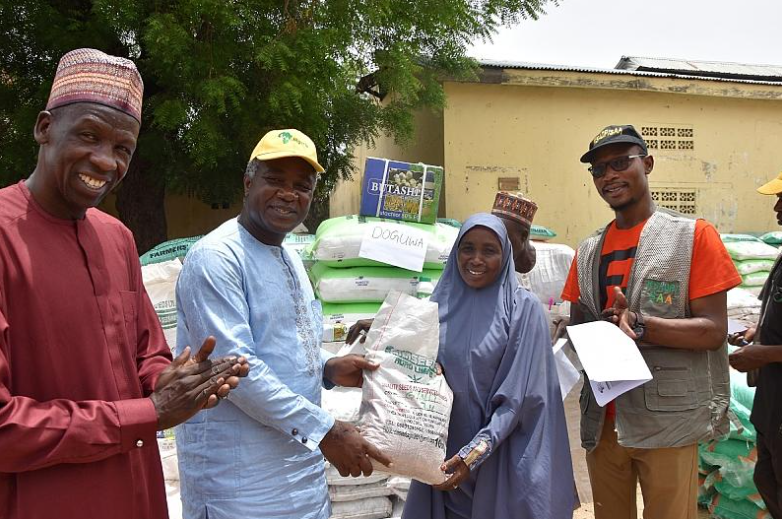
The All Farmers Association of Nigeria (AFAN), Kaduna State chapter, has urged the Federal Government to distribute agricultural inputs early to farmers preparing for the 2026 dry-season farming cycle. The association says timely access to essential supplies will help farmers maintain production, protect their incomes and improve food availability across the state.
The appeal was made by AFAN Kaduna chairman Nuhu Aminu during an interview in Zaria. According to a report by the News Agency of Nigeria, the association is working with the National Agricultural Growth Scheme and Agro-Pocket (NAGS-AP) to support 15,000 farmers involved in dry-season rice and maize production.
Erratic rainfall puts farmers under pressure
The call for early support comes after an unusually difficult wet season in parts of Kaduna State. Farmers have reported less frequent rainfall and prolonged dry spells, leaving crops vulnerable to moisture shortages during critical stages of growth.
Muawiya Nuhu, a farmer in Zaria, told reporters that gaps of two to three weeks between rainfall had affected crops requiring regular moisture, particularly rice and maize. Late-planted rice, upland rice, maize, sorghum and beans were among the crops reportedly affected.
The impact has not been uniform across the state. Soba, Ikara, Makarfi and parts of Giwa were identified as areas experiencing more pronounced effects, while farmers in Igabi, Lere and Kauru reportedly faced less severe conditions. Some farmers fear that yields in affected communities could fall below those recorded during the previous farming season.
For farmers already facing rising production costs, lower yields could mean reduced household income and less money available to invest in the next planting cycle.
Why early distribution of farm inputs matters
A major concern raised by farmers is that government assistance sometimes arrives after losses have already occurred. Seeds delivered after the best planting window, or fertiliser supplied too late in the crop cycle, may offer limited benefits.
AFAN is therefore calling for improved seeds, fertilisers and other essential farm inputs to be distributed before planting begins. Early delivery would give farmers time to prepare their land, plan their budgets and organise their operations around available water and expected weather conditions.
The association’s appeal also highlights the importance of involving recognised farmers’ groups in agricultural planning. Working directly with local associations could help officials identify eligible farmers, understand local production challenges and ensure that support reaches communities when it is most needed.
Dry-season rice and maize production in focus
The planned support for 15,000 farmers reflects the importance of dry-season agriculture in maintaining food production beyond the main rainy season.
Rice and maize are important food crops in Nigeria, and expanding their production during the dry season could help maintain supplies between harvest periods. However, successful production depends on more than seeds and fertiliser. Farmers also need reliable access to water, appropriate crop varieties, technical advice and affordable financing.
The Bank of Agriculture and AFAN recently announced a separate national partnership targeting financing for 400,000 dry-season farmers. That programme is intended to improve access to production inputs and irrigation equipment, although participation is subject to verification and approval. It represents a broader effort to help farmers continue producing outside the rainy season.
Farmers call for climate-resilient crops and better extension services
Beyond the immediate distribution of inputs, farmers have called for wider investment in climate adaptation. These measures include promoting early-maturing and climate-resilient crop varieties that can cope better with shorter periods of adequate rainfall.
Stronger agricultural extension services are another priority. Extension officers provide guidance on planting dates, crop management, pest control and weather-related decisions. However, farmers interviewed in the report raised concerns about staff shortages, noting that some extension officers cover two or three local government areas without sufficient transport or equipment.
Recruiting more personnel and involving experienced farmers in sharing practical advice could improve access to timely information, particularly in remote farming communities.
Outlook: Timely support could strengthen food security
AFAN’s appeal underscores a basic challenge facing Nigerian agriculture: assistance must reach farmers at the right time to make a meaningful difference.
If the planned support reaches the intended beneficiaries before planting, it could help farmers manage dry-season production, limit avoidable crop losses and protect their livelihoods. But the results will depend on effective distribution, suitable irrigation arrangements and sustained technical support.
For Kaduna’s farmers, the immediate priority is clear: secure essential inputs early enough to put them to productive use. For policymakers, the challenge is to turn agricultural support programmes into practical assistance that improves harvests and contributes to a more reliable food supply.
Follow AfriView
Don’t Miss the Next Big Story
Enjoyed this story? Stay connected with AfriView for the latest breaking news, trending stories and important updates from Nigeria, Africa and around the world.