Nigeria Targets Global Creative Economy Through Stronger Trade and Investment
Federal Government plans to attract international investors, strengthen intellectual property protection and help Nigerian creatives earn more from their talents.
The Federal Government has announced plans to strengthen Nigeria’s position in the global creative economy through increased international trade, investment, research and development, as the country seeks to turn its growing cultural influence into sustainable economic opportunities.
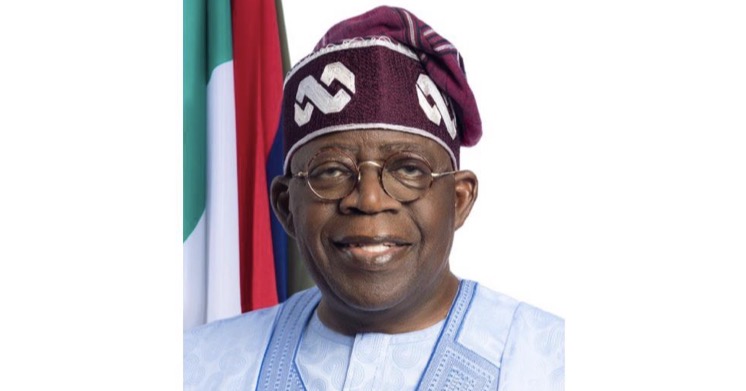
Vice-President Kashim Shettima said the government was working to strengthen the creative industry through improved collaboration among relevant ministries, stronger protection of intellectual property and wider access to opportunities for Nigerian creative professionals.
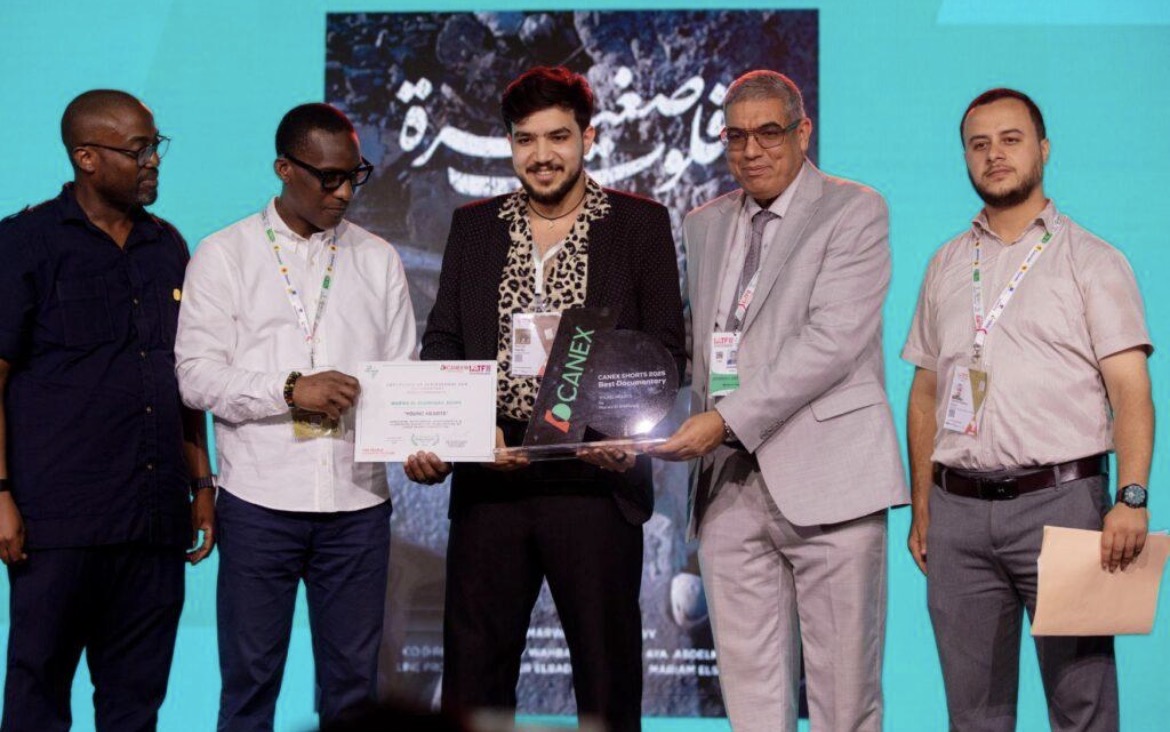
Shettima made the remarks during the opening ceremony of the Creative Africa Nexus (CANEX) Weekend 2026 in Lagos, where government officials, investors, business leaders and creative professionals gathered to discuss the future of Africa’s creative industries.
The four-day event, organised by the African Export-Import Bank (Afreximbank), runs from November 5 to 8, 2026, at the Wole Soyinka Centre for Culture and Creative Arts, formerly known as the National Theatre, in Lagos.
The initiative is designed to connect African creative businesses with international investors, financial institutions, distributors and commercial partners while creating opportunities for the continent’s cultural products to reach wider markets.
Government Seeks Greater International Opportunities for Nigerian Creatives
Speaking at the event, Shettima described the creative economy as an important opportunity for Nigeria and other African countries to strengthen their participation in international markets.
He called for stronger cooperation among African nations, stressing the need to remove geographical and economic barriers that limit the movement of creative products, services and business opportunities across the continent.
According to the Vice-President, Africa possesses enormous creative talent, cultural heritage and historical resources that can be converted into economic value through stronger partnerships and international engagement.
He maintained that African countries must work together to improve their competitiveness and ensure that their creative industries benefit from the growing global demand for African music, films, fashion, literature and other cultural products.
The government believes that stronger cooperation could help Nigerian businesses expand beyond domestic markets and compete more effectively with international creative companies.
Jumoke Oduwole Explains Nigeria’s Investment Strategy
The Minister of Industry, Trade and Investment, Dr Jumoke Oduwole, said Nigeria’s participation in CANEX was part of a broader strategy to attract investment into the creative sector and ensure that more of the economic value generated by Nigerian talent remains within the country.
She explained that Nigeria’s creative industry had experienced significant growth over the past two decades, with musicians, filmmakers and other professionals gaining international recognition.
However, she noted that the country needed stronger business structures to ensure that creators and local investors could benefit financially from the industry’s international success.
Oduwole pointed to the investment in Mavin Records by Kupanda Capital and TPG Group in 2019, followed by Universal Music Group’s acquisition of a majority stake five years later, as an example of how institutional investment could create opportunities within the creative economy.
She argued that while many Nigerians recognise the success of the country’s entertainment industry, greater attention should also be given to the business transactions, financing arrangements and investment opportunities behind those achievements.
The minister stressed that Nigeria must develop more investment opportunities that allow local creators and businesses to retain a greater share of the profits generated by their intellectual property.
Government Introduces Measures to Support Creative Businesses
Oduwole also outlined several government initiatives designed to improve the investment environment for Nigeria’s creative industries.
One of the measures is Nigeria’s appointment in February 2025 as co-champion of the African Continental Free Trade Area (AfCFTA) Protocol on Digital Trade.
The initiative is expected to support cross-border trade in digital and creative services, including music licensing, film distribution and production services provided by Nigerian studios to clients in other African countries.
The minister explained that these opportunities could help Nigerian creative businesses reach international customers without depending entirely on traditional physical exports.
Another important development is the approval of Nigeria’s first National Intellectual Property Policy and Strategy by the Federal Executive Council in November 2025.
The policy is intended to strengthen the protection of creative works and help creators generate income from the ownership and commercialisation of their intellectual property.
The government also introduced its Creative Sector Investment Playbook at the World Economic Forum in Davos in January 2026.
The document is designed to guide investors by identifying opportunities within Nigeria’s creative industries and providing information that could encourage greater investment.
Oduwole further disclosed that the government was unlocking more than $600 million in financing for digital and creative enterprises through the Investment in Digital and Creative Enterprises (iDICE) programme.
The initiative is expected to support businesses operating in technology and creative industries by improving access to finance and helping promising enterprises grow.
Afreximbank Says Africa Must Retain More Creative Industry Profits
President of Afreximbank, George Elombi, said Africa’s creative industry was attracting growing international attention but was not retaining a corresponding share of the economic value generated by its cultural products.
He estimated that Africa’s creative economy was worth approximately $60 billion but accounted for only about two per cent of the global creative industry.
According to him, the continent’s music, films, fashion, literature and other cultural products have gained international popularity, yet important aspects of the business remain largely controlled outside Africa.
These include distribution networks, branding, marketing, logistics and intellectual property ownership.
Elombi argued that African creators frequently produce successful content and cultural products while foreign companies and businesses capture a significant portion of the resulting financial benefits.
He stressed that supporting creative production alone would not solve the problem.
Instead, African governments and financial institutions must invest across the entire creative value chain, including marketing, distribution, intellectual property management and the development of infrastructure.
The Afreximbank president also disclosed that the bank had increased its financial commitment to Africa’s creative economy to $2 billion after earlier funding allocations proved insufficient to meet the industry’s needs.
The funding is expected to support businesses and infrastructure across different creative sectors.
He further revealed that the bank had launched the Pan-African Film Fund to support film production and distribution.
Intellectual Property Protection Remains a Major Challenge
One of the major issues highlighted during the event was the need for African creators to protect their intellectual property.
Intellectual property includes original creative works such as music, films, books, designs, photographs and other forms of content that can generate commercial income.
Without proper ownership records and legal protection, creators may struggle to control how their work is used or receive the financial benefits they deserve.
Elombi encouraged creative professionals to register their intellectual property and maintain verifiable records of their earnings.
He explained that proper documentation could improve their chances of securing financing because investors and financial institutions need reliable information before committing money to creative businesses.
He also warned African governments against reducing funding for cultural and creative industries during periods of economic difficulty.
According to him, sustained investment is necessary to build a competitive industry capable of generating employment, exports and long-term economic growth.
CANEX 2026 Creates Opportunities for African Businesses
The CANEX Weekend 2026 provides an opportunity for African creative professionals to meet potential investors, financial institutions, distributors and international business partners.
The event brings together different sectors, including music, film, fashion, literature, visual arts, gastronomy, sports and technology.
Its programmes are designed to encourage networking, investment discussions, business partnerships and access to international markets.
The CANEX Deal Room is particularly important because it provides opportunities for creative entrepreneurs to connect with potential financiers and investors interested in supporting businesses within the industry.
The event also builds on the achievements of the 2024 edition held in Algiers, Algeria, which attracted approximately 4,000 participants from 81 countries and facilitated deals worth more than $540 million.
Nigeria hopes to build on that success by attracting greater international attention to its creative industries.
Nigeria Hopes to Turn Cultural Influence Into Economic Growth
Nigeria’s entertainment and cultural industries have become important parts of the country’s international identity.
Afrobeats has gained audiences across different continents, while Nollywood continues to attract viewers through international streaming platforms and film distribution networks.
Nigerian fashion designers, writers, visual artists and other creative professionals are also increasingly participating in international markets.
However, the government believes that greater economic benefits can be achieved if the country strengthens its investment environment and gives local businesses better opportunities to commercialise their work.
The latest push through CANEX 2026 reflects an effort to move beyond celebrating Nigerian talent towards building stronger businesses around that talent.
With increased financing, better intellectual property protection, stronger trade partnerships and improved infrastructure, the government hopes the creative economy can become a more significant contributor to national development.
For Nigerian creators and entrepreneurs, the success of these initiatives will ultimately depend on whether the opportunities translate into accessible funding, stronger businesses, international contracts and sustainable income.
As CANEX 2026 continues in Lagos, attention will remain on how Nigeria and other African countries can turn their growing cultural influence into lasting economic value.
Follow AfriView
Don’t Miss the Next Big Story
Enjoyed this story? Stay connected with AfriView for the latest breaking news, trending stories and important updates from Nigeria, Africa and around the world.