Nigeria's Electricity Crisis: Manufacturers Warn High Energy Costs Are Threatening Industrial Growth
With manufacturers spending billions on alternative power and electricity supply becoming increasingly unreliable, industry leaders warn that Nigeria's energy crisis is weakening business competitiveness, threatening jobs and driving up production costs.
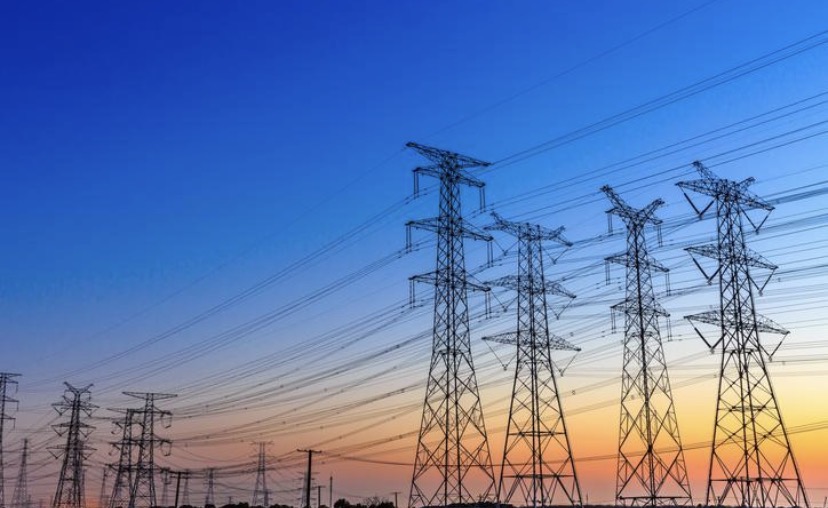
Nigeria’s electricity crisis is placing increasing pressure on manufacturers and businesses as high energy costs, unreliable grid supply and inadequate transmission infrastructure continue to threaten industrial productivity.
The Manufacturers Association of Nigeria (MAN) has warned that rising electricity tariffs and persistent supply disruptions are making it increasingly difficult for local manufacturers to remain competitive, forcing many businesses to spend substantial portions of their operating budgets on alternative energy sources.
The concerns were raised during the second edition of the Manufacturers Energy Security and Energy Efficiency Summit held in Lagos, where industry representatives and government officials discussed the country’s energy challenges and possible solutions.
According to MAN, the association is working with the Federal Ministry of Power to develop more sustainable energy solutions, including renewable energy, battery storage and captive power generation
Manufacturers struggle with rising energy expenses
For many Nigerian manufacturers, electricity has become one of the most expensive components of production.
Businesses that depend on continuous electricity supply must often maintain their own power infrastructure even while paying for electricity from distribution companies.
This means factories may have to purchase diesel, maintain generators and invest in alternative energy systems to keep production running whenever grid supply becomes inadequate.
Speaking at the summit, MAN President, Dr Ifeanyi Okoye, said energy expenses consume nearly half of some factories’ operating budgets, weakening their competitiveness and increasing the prices of locally manufactured products.
The association’s representatives also highlighted the financial pressure created by unreliable electricity, explaining that manufacturers frequently have to choose between purchasing energy, acquiring raw materials, maintaining equipment and paying workers.
The problem extends beyond individual factories. When businesses spend more money generating electricity, fewer resources remain available for expanding production, introducing new technologies, improving working conditions and creating additional employment.
Nigeria’s electricity generation remains inadequate
The country’s electricity challenges are also connected to limitations across its generation and transmission infrastructure.
Former Minister of Power, Professor Barth Nnaji, recently said Nigeria would require approximately 100,000 megawatts of electricity to attain higher-middle-income economic status.
Speaking at the Lagos Country Club Business Forum 3.0, he explained that although Nigeria has an installed generation capacity of approximately 13,000MW, only between 4,000MW and 5,000MW is typically available on the national grid.
He identified transmission constraints, inadequate gas supply and weaknesses in the electricity market as major obstacles preventing the country from delivering sufficient power to consumers.
The situation has become more concerning following recent reductions in electricity generation.
On November 5, 2026, the Nigerian Independent System Operator (NISO) attributed declining electricity supply to inadequate gas availability for thermal power plants and reduced water inflows into hydroelectric reservoirs.
The development has affected electricity allocations to distribution companies, resulting in increased load shedding and fewer hours of electricity for consumers across several parts of the country.
Businesses spend trillions on alternative power
The financial consequences of unreliable electricity extend across Nigeria’s manufacturing and commercial sectors.
Former MAN President, Otunba Francis Meshioye, disclosed that Nigerian businesses spent more than ₦1.34 trillion on alternative electricity generation in 2025.
He explained that the growing expenditure on self-generation was reducing the resources available for business expansion, staff welfare and improved productivity.
For businesses that depend heavily on diesel-powered generators, the cost can be particularly significant.
At the Manufacturers Energy Security and Energy Efficiency Summit, MAN South-East Chairman, Ada Chukwudozie, estimated that diesel generation could cost manufacturers more than ₦560 per kilowatt-hour in fuel alone, based on a diesel price above ₦2,000 per litre and the consumption rate of a typical industrial generator.
This is considerably higher than the electricity tariffs applicable to some grid-connected industrial consumers.
The difference illustrates the financial disadvantage businesses face when they pay for grid electricity but cannot depend on it consistently.
Government considers new energy solutions
The Federal Government has outlined several measures aimed at improving electricity supply and addressing structural problems across the power sector.
At the summit, Minister of Power Joseph Tegbe identified grid standardisation, improved financial sustainability, asset optimisation and infrastructure expansion as key priorities.
He also disclosed that the government was adopting a corridor-based approach to improve electricity supply to major economic and industrial centres.
Lagos, which accounts for approximately 50 per cent of Nigeria’s electricity demand, has been identified as the first priority corridor, followed by the Niger Delta region and Abuja.
The government is also pursuing transmission infrastructure projects, including proposed East and West Super Grids intended to increase transmission capacity from approximately 5,000MW to 19,000MW within two years.
Meanwhile, MAN is exploring alternative energy solutions through its Industrial Energy Cost Reduction Adoption Programme.
One proposed project involves a 1.5MW solar installation at Judy Polymer, which is projected to deliver energy cost savings of more than 50 per cent.
The initiative is expected to demonstrate how renewable energy financing and improved energy management can reduce manufacturers’ dependence on expensive conventional power sources.
Can Nigeria’s industries remain competitive?
Nigeria’s industrial growth depends significantly on the availability of affordable and reliable energy.
Manufacturers require consistent electricity to operate machinery, preserve raw materials, maintain production schedules and meet delivery obligations.
When energy costs continue to rise, businesses may respond by increasing product prices, reducing production or postponing expansion plans.
These decisions can affect consumers, workers and the wider economy.
Although investments in renewable energy and transmission infrastructure could provide some relief, industry stakeholders maintain that lasting improvements will require coordinated solutions across electricity generation, transmission, distribution and market financing.
For Nigeria, the challenge is not simply producing more electricity but ensuring that affordable and reliable power reaches the businesses and industries that depend on it.
Without meaningful improvements, the cost of keeping factories operational could continue to undermine the country’s manufacturing ambitions.
Follow AfriView
Don’t Miss the Next Big Story
Enjoyed this story? Stay connected with AfriView for the latest breaking news, trending stories and important updates from Nigeria, Africa and around the world.