Peter Obi Challenges Tinubu to Account for ₦15.8 Trillion Subsidy Savings, Over $100bn Loans
Peter Obi has challenged President Bola Tinubu to account for the reported ₦15.8 trillion saved from fuel subsidy removal and over $100 billion borrowed by his administration.
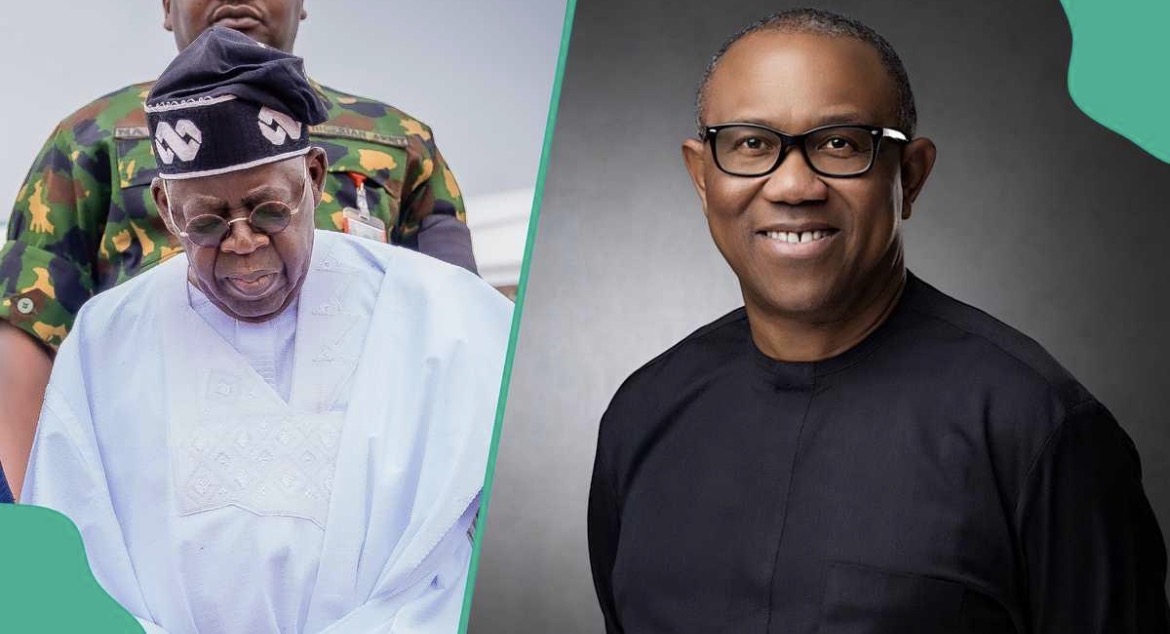
The NDC presidential candidate wants the Federal Government to explain how subsidy savings, borrowings and increased revenue have improved Nigerians’ lives.
The presidential candidate of the Nigeria Democratic Congress (NDC), Peter Obi, has challenged President Bola Tinubu to explain how his administration has utilised the reported ₦15.8 trillion saved from the removal of petrol subsidy and more than $100 billion in borrowings.
Obi said Nigerians deserved a transparent account of public funds, particularly as the country continues to face economic difficulties, insecurity and challenges in essential public services.
The former Anambra State governor made the demand in an open letter titled, “Good Day, Mr President: Nigerians Deserve Accountability,” which he published on his X account on Saturday.
His statement followed Tinubu’s remarks during an All Progressives Congress (APC) campaign rally in Akwa Ibom State on Friday. At the rally, the President criticised Obi over the gully erosion problem in Anambra State.
In response, Obi congratulated Tinubu on his visit to Akwa Ibom and urged him to use the opportunity to engage more directly with Nigerians across the country.
He also called on the President to visit the remaining 33 states and explain what his government had achieved with the resources available to it.
Obi Questions Use of Subsidy Savings and Borrowings
At the centre of Obi’s letter was the reported ₦15.8 trillion in savings from fuel subsidy removal, alongside more than $100 billion in loans obtained by the Tinubu administration.
He also referred to increased government earnings from taxation and other revenue sources, including additional revenue the administration reportedly said had exceeded its target.
Obi argued that the amount of money available to the government should be reflected in improvements in the daily lives of citizens.
He called for a detailed explanation of how the funds had been spent and what measurable results Nigerians had received in return.
According to him, citizens should not only be informed about government revenue and borrowing but should also be able to see the impact of those resources in their communities.
The former governor maintained that public officials had a responsibility to account for resources entrusted to them.
Questions on Poverty and Education
Obi specifically asked the Federal Government to provide figures showing how many Nigerians had been lifted out of poverty since Tinubu assumed office.
He also demanded information on the number of out-of-school children who had returned to classrooms and the number of functional primary healthcare centres established under the administration.
The NDC candidate said such information would help Nigerians assess whether government policies and spending were producing meaningful improvements.
Nigeria continues to face concerns over poverty, access to quality education and the availability of essential healthcare services, particularly for low-income households.
For many families, the rising cost of food, transportation, housing and other basic needs has made economic conditions difficult.
Obi’s questions therefore place emphasis on whether the resources generated through economic reforms are translating into better living conditions for ordinary Nigerians.
Electricity Supply Also Under Scrutiny
The former Anambra governor also questioned the administration’s performance in the electricity sector.
He recalled Tinubu’s earlier promise that Nigerians should not vote for him if he failed to improve electricity supply.
Obi asked the President to explain how much electricity supply had improved under his leadership, arguing that the government should provide evidence of progress.
Electricity remains a major concern for households and businesses across Nigeria. Many companies and small business owners continue to depend on generators and alternative power sources to maintain their operations.
The cost of running generators, purchasing fuel and maintaining alternative energy systems also adds to the financial pressure facing businesses and consumers.
Obi’s demand highlights the need for measurable information on electricity generation, supply reliability and access to power across the country.
Calls for Answers on National Security
Security was another major issue raised in the open letter.
Obi asked Tinubu to explain what his administration had done to protect Nigerians, particularly amid continued concerns over terrorism and other forms of insecurity.
Nigeria has experienced persistent security challenges in several parts of the country, including attacks by armed groups, kidnappings and violent criminal activities.
The former governor argued that citizens deserved to know how government resources had been used to improve national security and protect lives and property.
He maintained that increased revenue and borrowing should produce visible improvements in important areas such as security, healthcare, education, electricity and poverty reduction.
Tinubu’s Visit to Akwa Ibom
Obi’s letter also made reference to Tinubu’s recent visit to Akwa Ibom State.
He congratulated the President on spending a night in a state outside Lagos and Abuja, while expressing hope that the visit would encourage him to travel more frequently across the country.
The former governor urged Tinubu to interact directly with people in different states and explain his administration’s performance.
The exchange comes amid growing political activity ahead of the 2027 general election, with economic management, public debt, security and the cost of living expected to remain important campaign issues.
Accountability Becomes a Major Political Issue
Obi’s demand has added to the debate over the economic reforms introduced by the Tinubu administration, particularly the removal of petrol subsidy.
The government has defended its economic policies as necessary measures to address longstanding fiscal challenges and improve the country’s financial position.
However, the reforms have also attracted criticism because of the pressure they have placed on households and businesses, especially through higher transportation and living costs.
The central question raised by Obi is whether the additional revenue and funds available to the government have produced enough measurable benefits for Nigerians.
While his letter presents questions from an opposition political candidate, the figures and spending concerns require detailed explanations from the relevant government authorities.
A comprehensive response would help the public understand how much money has been saved, how much has been borrowed, where the funds have gone and what results have been achieved.
Obi concluded by stressing the importance of transparency, accountability and measurable results in the management of public resources.
He said the Nigeria he hoped to see was one where public funds were used responsibly and government performance could be judged by improvements in citizens’ lives.
As political activities continue ahead of 2027, the debate over subsidy savings, public borrowing and government spending is likely to remain a major issue for Nigerians.
Follow AfriView
Don’t Miss the Next Big Story
Enjoyed this story? Stay connected with AfriView for the latest breaking news, trending stories and important updates from Nigeria, Africa and around the world.