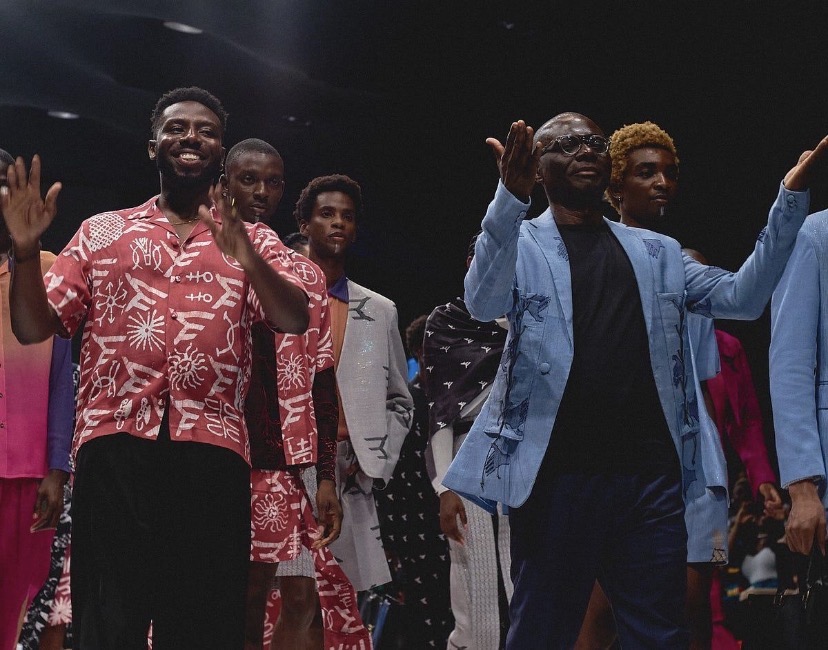
Lagos Fashion Week 2026 Puts African Craftsmanship, Sustainability and Emerging Designers in the Spotlight
The five-day showcase brought together more than 60 designers in Lagos, placing traditional African textiles, contemporary fashion and sustainable production at the centre of the industry conversation.
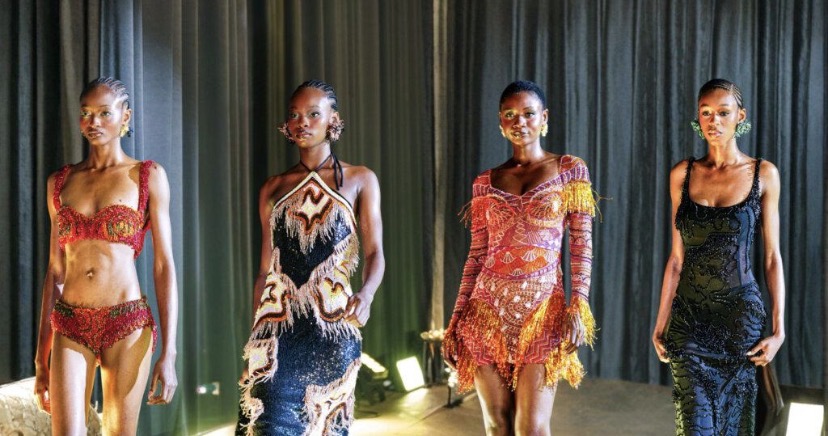
Lagos Fashion Week 2026 has concluded after five days of runway presentations, designer showcases and conversations about the future of African fashion, with craftsmanship and sustainability emerging as central themes of this year’s event.
Held from October 28 to November 1 at the Federal Palace Hotel, Victoria Island, Lagos, the fashion week brought together more than 60 designers from across Africa. The event provided a platform for established fashion labels and emerging creatives to present their collections to industry professionals, buyers, fashion enthusiasts and international audiences.
Organised by Style House Files, the platform founded by fashion entrepreneur Omoyemi Akerele, the 2026 edition was themed “CRAFTED: Heritage. Innovation. Circular Futures.”
The theme placed particular emphasis on the relationship between traditional African craftsmanship and contemporary fashion, while drawing attention to sustainable approaches to design and production.
Rather than treating African heritage as something to be preserved only in traditional clothing, designers explored how indigenous fabrics, techniques and cultural influences could be incorporated into modern silhouettes.
Traditional textiles meet contemporary design
A major feature of this year's presentations was the use of indigenous materials and traditional textile techniques.
Aso-oke, Akwete and Adire featured prominently in the wider conversation around the event, reflecting efforts to give locally rooted craftsmanship greater visibility within contemporary fashion.
These materials carry cultural and historical significance across different Nigerian communities. However, their appearance in modern collections also demonstrates how designers are exploring new ways to make traditional textiles relevant to changing consumer tastes.
Several designers presented collections that interpreted craftsmanship through different creative approaches.
Cute-Saint incorporated Adire into its presentation, including cowrie embellishments, while Studio Imo explored crochet through a collection titled Clan. The presentation highlighted the relationship between craftsmanship and community, bringing together different creative collaborators.
Désirée Iyama also marked the tenth anniversary of her fashion label with a Spring/Summer 2027 collection titled This Is Why. The collection explored themes of transformation through colours and materials, including tulle and organza.
Another notable presentation came from Ajanéé, which reworked old sports jerseys into dresses under its collection, Masquerading (Cloth as Spirit). The approach reflected one of the central ideas behind circular fashion: finding new uses for existing materials rather than treating clothing as disposable.
These presentations showed how designers are approaching sustainability through different methods, from material reuse to traditional production techniques.
Building a stronger fashion industry
Although runway presentations attracted much of the attention, Lagos Fashion Week also created space for conversations about the commercial realities of building a sustainable fashion industry in Africa.
Through its Fashion Business Series, the event brought together industry stakeholders to discuss issues affecting designers and fashion businesses, including access to finance, manufacturing capacity, distribution and intellectual property protection.
According to reporting by Casadi on the event, founder Omoyemi Akerele identified infrastructure as one of the major challenges facing African fashion.
The concern is significant because creative talent alone does not guarantee that designers can build sustainable businesses.
Many African fashion entrepreneurs operate in an environment where production costs, unreliable electricity, limited manufacturing facilities and access to international markets can affect their ability to grow.
Designers may attract attention through runway presentations, but converting that attention into consistent sales requires functioning supply chains, skilled workers, investment and reliable distribution networks.
The discussions raised an important question: how can the growing international interest in African fashion translate into lasting opportunities for the people and businesses responsible for producing it?
Supporting the next generation
The Green Access programme remained part of the event's wider commitment to supporting emerging designers and encouraging more sustainable fashion practices.
Initiatives of this nature provide opportunities for young creatives to experiment with materials, develop their design identities and gain exposure within the fashion industry.
They also contribute to a broader conversation about the future of fashion, particularly as consumers and industry stakeholders pay increasing attention to production methods, waste and environmental impact.
For emerging designers, platforms such as Lagos Fashion Week can provide opportunities to connect with established professionals, media organisations and potential commercial partners.
The importance of these connections extends beyond the visibility generated during a fashion show. They can influence access to mentorship, retail opportunities, collaborations and investment.
A growing platform for African creativity Founded in 2011, Lagos Fashion Week has developed into an important platform for presenting Nigerian and African designers to wider audiences.
Its influence is not limited to the clothes displayed on the runway. The event also contributes to conversations about fashion entrepreneurship, cultural identity, manufacturing and the role of creative industries in economic development.
The 2026 edition demonstrated that African fashion has a wealth of creative ideas and craftsmanship to offer. However, the industry's long-term growth will depend on whether designers and manufacturers can access the infrastructure and resources needed to turn creative potential into sustainable businesses.
As the curtains closed on this year's event on November 1, the message extended beyond the collections presented. The challenge ahead is to ensure that the people, skills and traditions behind African fashion benefit from the growing attention the industry continues to receive.
Follow AfriView
Don’t Miss the Next Big Story
Enjoyed this story? Stay connected with AfriView for the latest breaking news, trending stories and important updates from Nigeria, Africa and around the world.