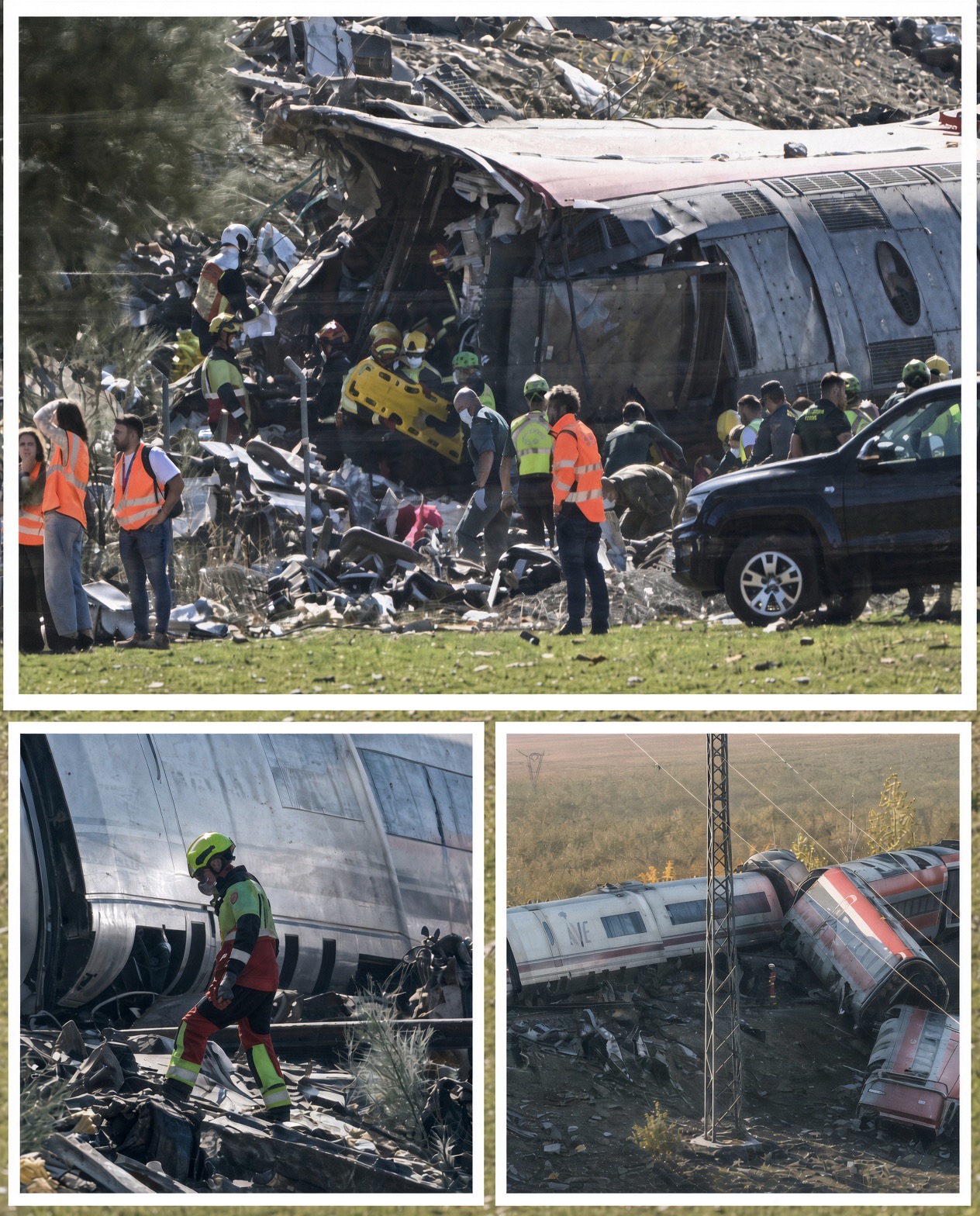
JUST IN: Florida Private Jet Crash Kills Nine as Learjet Plunges Into Residential Area in Terrifying Fireball
A Bahamas-bound Learjet 60 crashed near Greenacres in Palm Beach County, Florida, killing all nine people aboard after the pilots reportedly encountered icing, turbulence and a sudden, extreme descent. Federal investigators are working to establish what caused the disaster.
The Crash That Shocked Florida
A tragic aviation disaster has claimed nine lives after a private jet crashed into a residential area in Palm Beach County, Florida, on Sunday, November 1, 2026.
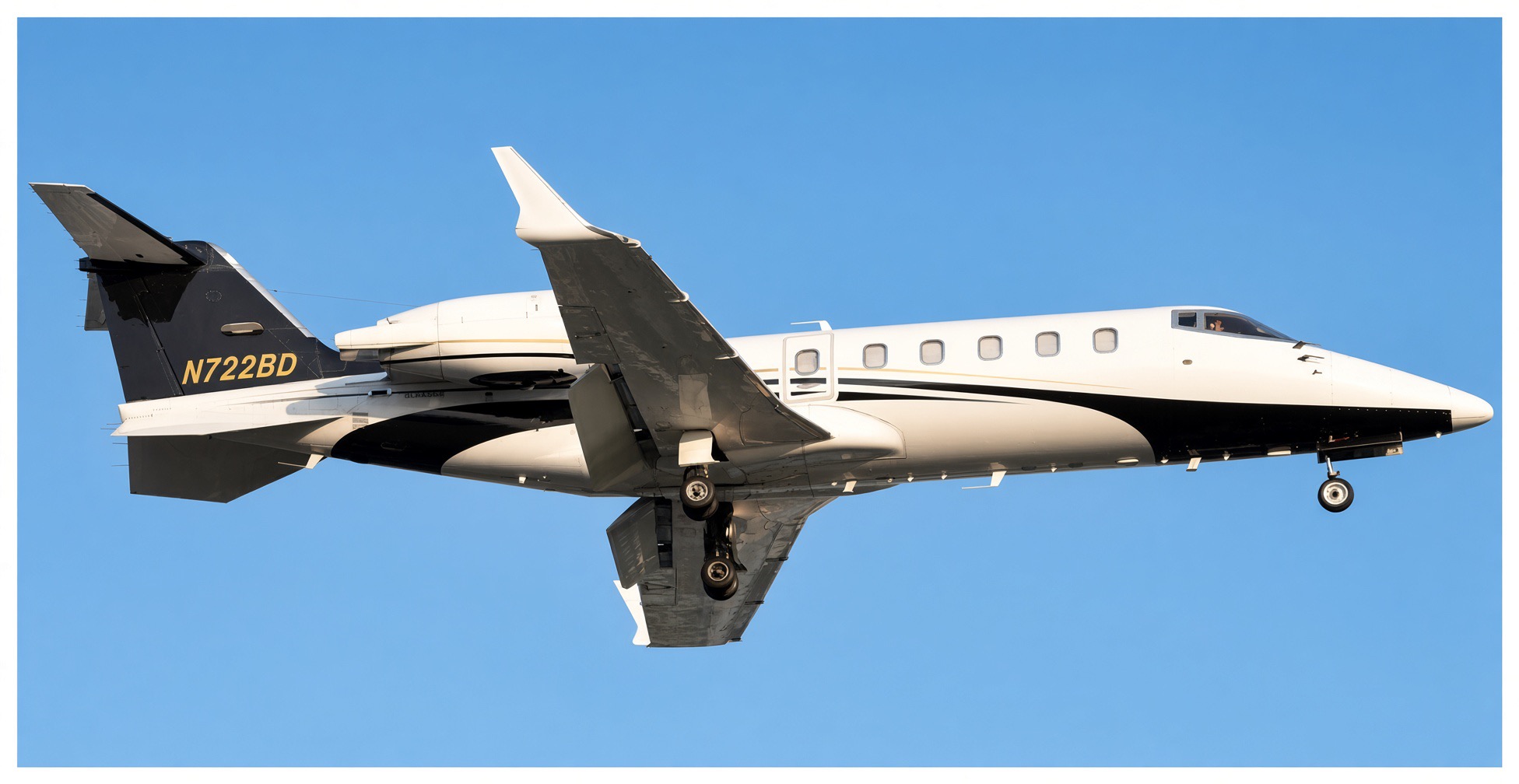
The aircraft, identified as a Learjet 60 with registration number N722BD, was travelling from Austin-Bergstrom International Airport in Texas to North Eleuthera Airport in the Bahamas when it crashed near Greenacres, close to Military Trail and 10th Avenue North.
According to information released by US transportation officials, all nine people aboard the aircraft died in the accident.
The crash happened at approximately 12:50 p.m. local time, sending emergency responders rushing to the scene as flames, smoke and debris spread across the impact area.
Witnesses described a terrifying scene as the aircraft plunged towards the ground before exploding into a massive fireball.
The impact reportedly created a large crater near a busy roadway, raising concerns about the potential danger to motorists and residents living close to the crash location.
US authorities have confirmed the fatalities, while the National Transportation Safety Board (NTSB) has taken the lead in investigating the circumstances surrounding the disaster.
What Happened Before the Aircraft Crashed?
Information from air traffic control communications and flight-tracking data has provided some insight into the aircraft’s final moments.
The Learjet was travelling at an altitude of approximately 35,000 feet when its crew began reporting difficult weather conditions.
According to recorded communications, the pilots reported experiencing icing conditions, precipitation and moderate turbulence.
The crew reportedly described the icing as manageable but requested assistance in finding smoother flying conditions.
The aircraft also experienced significant altitude fluctuations during the turbulent conditions, with reports indicating deviations of several hundred feet.
The pilots subsequently requested permission to climb approximately 2,000 feet, seeking an altitude of around 37,000 feet.
However, shortly after the aircraft received clearance, the situation reportedly deteriorated rapidly.
The crew began reporting an unexpected descent, with the aircraft losing altitude at an alarming speed.
Terrifying Final Moments Captured in Air Traffic Control Recordings
One of the most disturbing developments following the crash has been the emergence of air traffic control recordings documenting the aircraft’s final communications.
According to recordings reviewed by aviation news organisations, the pilot initially reported that the aircraft was descending at approximately 10,000 feet per minute.
The situation became increasingly critical as the descent rate reportedly accelerated.
The pilot subsequently declared an emergency, with communications indicating that the aircraft had entered an overspeed condition.
An overspeed condition occurs when an aircraft exceeds its permitted operating speed, potentially creating serious structural and aerodynamic risks.
During the emergency communications, the pilot reportedly informed air traffic controllers that the aircraft was descending at approximately 20,000 feet per minute.
The recordings also captured the pilot warning that the aircraft was going to crash into the ground.
Air traffic controllers attempted to maintain communication with the crew and provide assistance during the emergency.
However, the situation deteriorated too quickly.
According to Reuters’ reporting of the recordings, the final communication included the words, “We’re out of time.”
Communications subsequently ended.
The recordings have attracted widespread attention online, with aviation enthusiasts and members of the public examining the aircraft’s final moments.
Flight Data Reveals an Extreme Descent
Flight-tracking information has provided another important element in understanding the disaster.
According to Flightradar24, the aircraft’s final recorded altitude was approximately 8,750 feet before its tracking signal disappeared.
Its reported vertical descent rate exceeded 32,000 feet per minute during the final moments.
This represents an extraordinarily rapid loss of altitude.
The aircraft reportedly entered a steep, descending right-hand turn before impacting the ground.
However, investigators will need to examine the aircraft’s flight recorders, available tracking information and other evidence before determining precisely what happened.
The available flight-tracking information is not, by itself, a complete reconstruction of the accident.
Fireball and Massive Crater Near Residential Community
The aircraft crashed near Military Trail and 10th Avenue North in Palm Beach County.
The impact caused a massive explosion, with eyewitness footage showing flames and thick smoke rising from the crash location.
A large crater was reportedly left at the impact site, while debris was scattered across the surrounding area.
Florida Governor Ron DeSantis described the incident as a major tragedy.
He reportedly compared the aircraft’s descent to a missile falling towards the ground, describing the destruction caused by the impact.
Residents living close to the crash site also described the frightening experience.
Some reported hearing a loud impact, while others said debris reached nearby properties.
The crash also created significant disruption for people living in the surrounding community.
Authorities closed sections of Military Trail to allow emergency responders and investigators to work safely.
Approximately 600 residents from a nearby mobile-home community were affected by the emergency response, with local officials arranging assistance and temporary shelter.
Authorities reported no immediate confirmed deaths or injuries among people on the ground.
What Role Did Weather Conditions Play?
Weather conditions are expected to form an important part of the investigation.
The aircraft’s crew had reportedly communicated concerns about icing, precipitation and turbulence shortly before the crash.
South Florida was also experiencing unsettled weather, with showers and thunderstorms affecting the wider region.
Icing occurs when supercooled water droplets freeze upon contact with an aircraft’s surfaces.
Depending on the conditions and the amount of ice accumulated, it can affect an aircraft’s aerodynamic performance.
Severe turbulence can also create dangerous operating conditions, particularly when combined with other weather hazards.
However, it would be premature to conclude that either icing or turbulence caused the crash.
Investigators will need to determine whether the aircraft experienced a mechanical problem, aerodynamic upset, weather-related difficulties, pilot control challenges or a combination of contributing factors.
The precise sequence of events remains under investigation.
NTSB Launches Investigation Into the Disaster
The National Transportation Safety Board is leading the investigation, with assistance from the Federal Aviation Administration (FAA).
Investigators are expected to examine several areas, including:
- The aircraft’s maintenance and service history.
- Available flight data and tracking records.
- Air traffic control communications.
- Weather conditions along the flight route.
- The aircraft’s engines and flight-control systems.
- Possible mechanical or structural failures.
- The crew’s actions during the emergency.
The investigation will also examine the aircraft’s condition before departure and whether any technical issues were recorded.
The aircraft was identified as a 2004-built Learjet 60, registered as N722BD.
Authorities have not yet publicly released the identities of all nine people who died.
The investigation is expected to provide more information about the circumstances surrounding the accident as evidence is examined.
A Tragedy Raising Fresh Questions About Aviation Safety
The Florida crash has generated widespread discussions about private aviation safety, particularly the challenges pilots face when dealing with severe weather conditions at high altitudes.
Business jets are designed to operate at high speeds and altitudes, but they remain vulnerable to unexpected emergencies.
The incident has also highlighted the importance of understanding how icing, turbulence, aircraft performance and emergency procedures can interact during a flight.
For now, the priority remains supporting the families of the victims and establishing exactly what happened during the aircraft’s final minutes.
The NTSB investigation will be crucial in determining whether weather, mechanical problems or other factors contributed to the disaster.
Conclusion
The crash of Learjet 60 N722BD near Greenacres, Florida, is a devastating aviation disaster that has claimed nine lives and left a residential community shaken.
Although the pilots reportedly encountered icing and turbulence before the aircraft entered an extreme descent, the official cause has not been established.
As investigators continue examining the wreckage, flight data and air traffic communications, further findings may help explain how a flight travelling from Texas to the Bahamas ended in such a catastrophic accident.
Afriview Media will continue monitoring developments and provide updates as more verified information becomes available.
Follow AfriView
Don’t Miss the Next Big Story
Enjoyed this story? Stay connected with AfriView for the latest breaking news, trending stories and important updates from Nigeria, Africa and around the world.