FG Urges National Assembly to Stop Creating New Federal Universities Over Funding Concerns
FG Seeks Seven-Year Freeze on New Federal Universities as Education Minister Raises Concerns Over Funding, Infrastructure and Academic Standards.
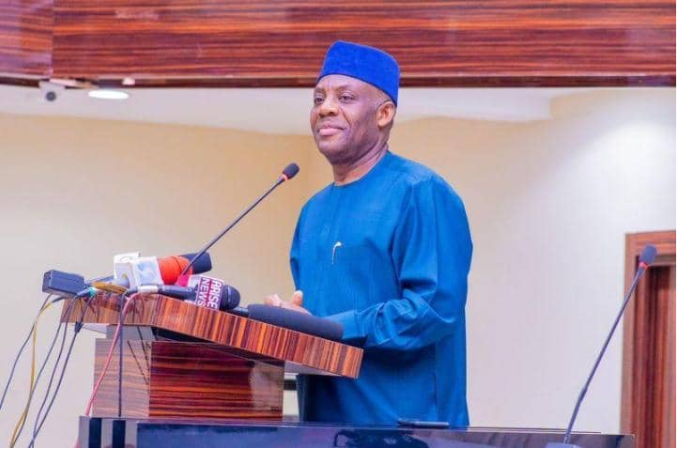
The Federal Government has appealed to the National Assembly to stop considering and passing bills seeking to establish new federal universities, polytechnics and colleges of education, citing concerns over inadequate funding, poor infrastructure and the growing challenges facing existing tertiary institutions.
The Minister of Education, Dr Tunji Alausa, made the appeal in a letter dated November 2, 2026, addressed to the President of the Senate, Godswill Akpabio.
In the letter, the minister urged lawmakers to support the Federal Government's seven-year moratorium on the establishment of new federal tertiary institutions, which was approved by the Federal Executive Council (FEC) on August 13, 2025.
According to Alausa, the decision is aimed at improving the quality of education, ensuring financial sustainability and making better use of resources already available within the country's existing institutions.
He explained that the continued establishment of additional institutions could place further pressure on government finances and weaken efforts to improve the standard of education across the country.
Why the Federal Government Wants to Stop New Universities
The education minister identified several challenges affecting existing federal institutions, including inadequate lecture halls, overcrowded classrooms, insufficient laboratories, shortages of qualified academic and non-academic staff, accommodation deficits and deteriorating facilities.
He argued that establishing more institutions without addressing these problems could worsen the situation and reduce the ability of existing universities to provide quality education.
The minister also raised concerns about duplication of academic programmes and the underutilisation of facilities in some institutions.
According to him, Nigeria's immediate educational priority should move beyond simply increasing the number of universities to strengthening the institutions already operating.
He maintained that existing universities require improved infrastructure, adequate funding, modern teaching facilities, qualified lecturers and better research equipment to meet international academic standards.
Government Raises Concerns Over Education Funding
Alausa also highlighted the financial difficulties associated with maintaining Nigeria's public tertiary institutions.
He cited the outstanding funding commitments made to the Academic Staff Union of Universities (ASUU), noting that the government had reportedly released only ₦250 billion out of a ₦1.3 trillion university revitalisation commitment covering the 2013–2018 period.
The minister further disclosed that of the additional ₦150 billion approved in 2025 for the Needs Assessment Intervention, only ₦50 billion was initially released.
He argued that these funding gaps raised serious questions about the government's ability to establish and adequately maintain additional institutions without guaranteed financial resources.
The minister explained that creating a university involves more than passing legislation. It requires land, buildings, laboratories, teaching equipment, qualified personnel, utilities and continuous financial support.
Without these essential resources, newly established institutions could struggle to operate effectively.
National Assembly Asked to Support the Moratorium
While acknowledging the constitutional powers of the National Assembly to initiate and pass legislation, Alausa urged lawmakers to ensure that proposals for new institutions align with national education priorities and available financial resources.
The appeal follows growing legislative interest in establishing additional tertiary institutions across different constituencies.
The minister warned that approving new institutions without proper feasibility studies, demonstrated demand and sustainable funding arrangements could create further financial obligations for future governments.
Senate Responds to Federal Government's Position
The Federal Government's appeal comes after the Senate directed its relevant committees to suspend the processing of bills seeking to establish new universities and other tertiary institutions.
The directive was announced by Senate Leader, Opeyemi Bamidele, during plenary on Wednesday, November 4, 2026.
Senate President Godswill Akpabio also indicated that President Bola Tinubu had discussed the issue with the leadership of the National Assembly.
The Senate's position is intended to give existing institutions time to improve their infrastructure, strengthen academic standards and establish effective operational systems before additional institutions are considered.
What This Means for Nigerian Students
The proposed restriction has generated important questions about the future of university education in Nigeria, particularly regarding admission opportunities and access to higher education.
While the government believes that improving existing institutions should take priority, prospective students will continue to require sufficient admission spaces, affordable education and access to quality academic programmes.
The challenge for policymakers will therefore be to balance the need for expanded access with the importance of maintaining acceptable educational standards.
As discussions surrounding the moratorium continue, attention will remain on how the Federal Government plans to improve existing universities, address funding shortages and provide better learning environments for Nigerian students.
Ultimately, the success of the policy will depend on whether the government can translate its commitment to strengthening existing institutions into improved infrastructure, better academic facilities and a more sustainable university system.
Follow AfriView
Don’t Miss the Next Big Story
Enjoyed this story? Stay connected with AfriView for the latest breaking news, trending stories and important updates from Nigeria, Africa and around the world.