EU Launches International Initiative to Boost Biodiversity Financing
The initiative brings together governments seeking to develop nature credits as an additional source of financing for conservation and ecosystem restoration.
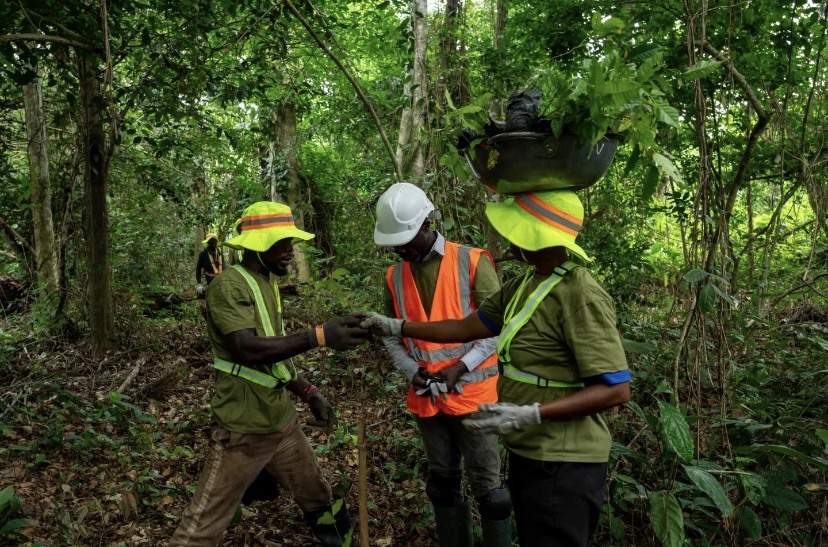
The European Union has launched an international initiative aimed at strengthening cooperation on nature credits and attracting investment into biodiversity conservation.
The initiative, known as the Friends of Credits for Nature and Biodiversity, was launched on October 27 during the 17th meeting of the Conference of the Parties to the Convention on Biological Diversity in Yerevan, Armenia.
The European Commission announced the development on Wednesday, October 28, following a high-level event on nature credits co-hosted by the European Union, France and Peru. The initiative is an informal, government-led effort intended to build international support for nature credits and improve cooperation on biodiversity financing.
Countries participating in the initiative include Finland, Luxembourg, the Netherlands, Portugal, Spain, Australia, Botswana, Canada, Chile, Indonesia, Japan and New Zealand.
According to the European Commission, nature credits are financial instruments designed to attract investment into activities that protect, restore and maintain natural ecosystems.
The approach is intended to make positive environmental outcomes more visible to potential investors and create additional opportunities for financing conservation projects.
Biodiversity includes the variety of plants, animals and other organisms, as well as the ecosystems in which they live.
Protecting biodiversity requires sustained investment in activities such as habitat restoration, wildlife protection, environmental monitoring and the management of natural resources.
Governments have traditionally relied on public funding and international assistance to support many conservation programmes. However, competing public spending priorities have increased interest in additional sources of finance.
The European Commission said nature credits could help mobilise private investment while complementing existing public and philanthropic funding.
The initiative is intended to support cooperation among participating governments as they explore how nature credits can be developed and implemented.
The approach requires systems capable of demonstrating that funded activities deliver genuine environmental benefits.
For example, conservation projects may involve restoring degraded habitats, protecting threatened species or improving the condition of ecosystems. Credible financing arrangements would need to establish how those outcomes are measured and verified.
The European Commission has identified further research, pilot projects and stakeholder engagement as important elements in developing nature-credit approaches.
The initiative does not mean that all conservation projects will automatically qualify for funding. Projects would still need to meet the applicable requirements of the financial and environmental arrangements developed for them.
The launch also comes amid wider international discussions about the resources required to implement biodiversity protection commitments.
The Convention on Biological Diversity provides a framework for international cooperation on the conservation of biodiversity, the sustainable use of its components and the fair sharing of benefits arising from genetic resources.
The conference in Armenia brings governments and other stakeholders together to discuss progress and priorities relating to biodiversity.
The European Union has also highlighted its existing support for conservation programmes, including the NaturAfrica initiative, which is intended to support biodiversity protection and sustainable development in Africa.
The commission has said its work on nature credits will continue through international engagement and further discussions with interested governments and stakeholders.
For participating countries, the next steps will involve exploring the standards, monitoring arrangements and cooperation needed to develop credible nature-credit systems.
The financial approach will need to establish how environmental benefits are assessed, how claims are verified and how projects can demonstrate that the outcomes will be sustained.
These issues are important because conservation investments must deliver measurable results rather than relying solely on financial commitments or broad environmental claims.
The initiative's launch marks a step towards greater international cooperation on nature credits, but it does not by itself establish how much new funding will be raised or how much will reach individual conservation projects.
Further work by participating governments will determine how the initiative develops and what practical arrangements emerge from the discussions.
Follow AfriView
Don’t Miss the Next Big Story
Enjoyed this story? Stay connected with AfriView for the latest breaking news, trending stories and important updates from Nigeria, Africa and around the world.