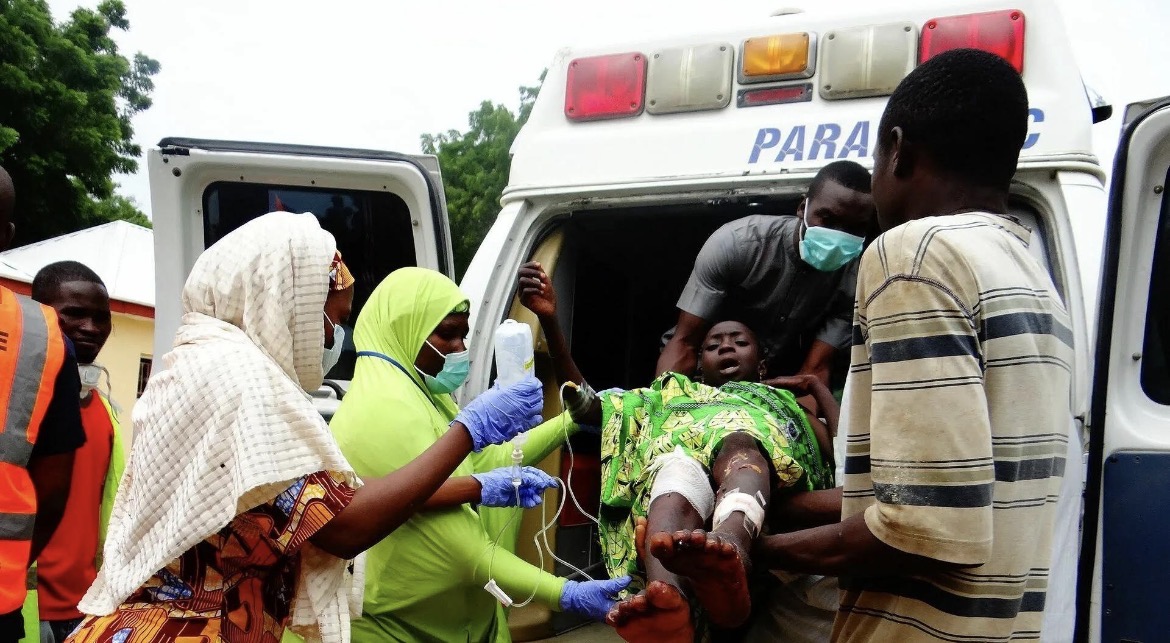
Ebola Patient in FCT Develops Multiple Organ Failure as NCDC Confirms Bundibugyo Strain
The NCDC confirms the Bundibugyo strain after laboratory tests as the patient's condition deteriorates, raising concerns over the severity of the infection
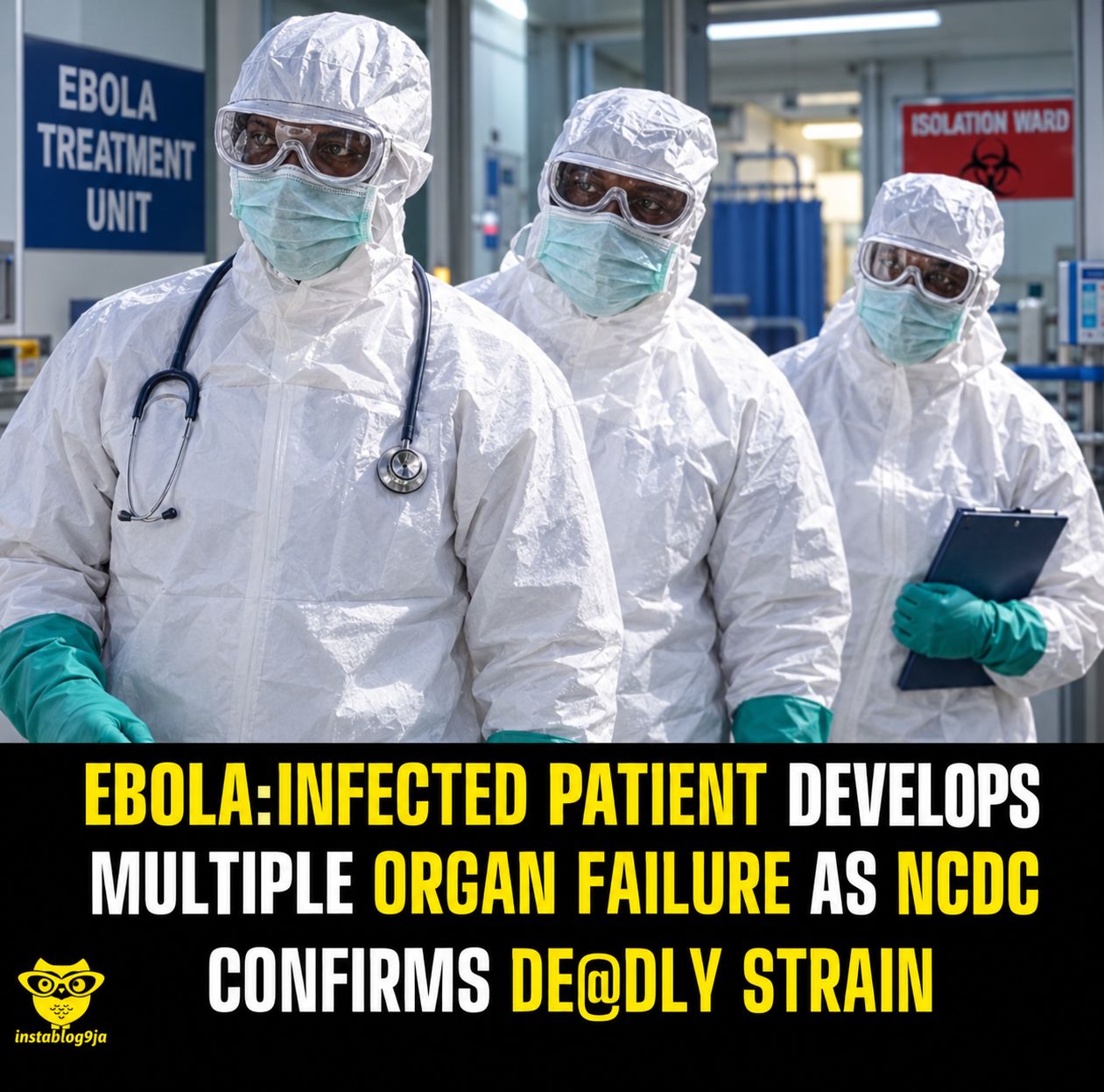
Ebola Patient in FCT Develops Multiple Organ Failure as NCDC Confirms Bundibugyo Strain
The Nigeria Centre for Disease Control and Prevention (NCDC) has disclosed that a patient infected with Ebola virus in the Federal Capital Territory (FCT) has developed multiple organ failure, raising concerns over the severity of the case as health authorities continue investigations into the infection.
The agency also confirmed that laboratory tests identified the virus as the Bundibugyo strain of Ebola, a variant that has previously caused outbreaks in parts of Africa, including Uganda and the Democratic Republic of the Congo.
The development was announced on Wednesday following an earlier statement by Nigeria’s Minister of Health, Muhammad Ali Pate, who disclosed that a female traveller from Uganda had tested positive for Ebola virus disease.
However, subsequent clarification from Uganda’s Director-General of Health Services, Charles Olaro, indicated that the patient was Nigerian, introducing further details into reports surrounding the case.
The patient’s deteriorating condition, alongside the confirmation of the specific Ebola strain, has placed renewed attention on the importance of disease surveillance, laboratory testing, infection prevention and the coordinated response of public health authorities.
NCDC Confirms Bundibugyo Strain
Providing further information about the case, Olajumoke Babatunde, the NCDC’s Director of Public Health Laboratory Services, said laboratory investigations confirmed that the patient was infected with the Bundibugyo strain of the Ebola virus.
According to Babatunde, health officials conducted three levels of testing to establish the nature of the infection. She explained that the tests were molecular investigations, which enabled laboratory specialists to identify the strain responsible for the patient’s illness.
“We did three levels of tests, but all were molecular. The strain was Bundibugyo,” she said.
The confirmation is significant because Ebola virus disease can be caused by different viruses within the Orthoebolavirus genus, and identifying the particular virus involved helps health authorities understand the outbreak and determine the appropriate response.
The Bundibugyo virus was first identified in Uganda in 2007 during an outbreak in the country’s Bundibugyo District. The outbreak attracted international public health attention because it involved a previously unrecognised Ebola virus species.
The strain has also been associated with an outbreak in the Democratic Republic of the Congo, demonstrating the importance of maintaining strong surveillance systems and laboratory capacity across countries where Ebola infections may occur.
Although the identification of the strain provides important information for medical and public health teams, the immediate priorities in an Ebola case include providing appropriate medical care, implementing infection prevention measures and determining whether other people may have been exposed to the virus.
The NCDC’s announcement therefore provides an important update on the nature of the infection while highlighting the seriousness of the patient’s medical condition.
Patient’s Condition Deteriorates
Babatunde also disclosed that the patient’s condition had worsened, resulting in multiple organ failure.
Multiple organ failure occurs when two or more organs in the body become unable to function adequately. Depending on the organs affected and the severity of the illness, the condition can become life-threatening and may require intensive medical support.
In severe infectious diseases, organ dysfunction can develop when the body’s response to infection causes widespread inflammation, damage to tissues and disruption of normal physiological processes.
Ebola virus disease can cause severe illness, with symptoms that may include fever, fatigue, muscle pain, headache, vomiting, diarrhoea and, in some cases, bleeding. Severe cases may involve dehydration, shock and damage to multiple organs.
However, the precise clinical details of the patient’s condition, including which organs had failed and the treatment being provided, were not disclosed in the information released by the NCDC official.
The announcement also did not provide further details about the patient’s prognosis or indicate whether the patient had shown any signs of improvement.
The deterioration nevertheless underscores the seriousness of the case and the need for close medical monitoring.
Patients with severe Ebola virus disease may require supportive treatment addressing fluid loss, electrolyte imbalances, blood pressure and other complications. The precise treatment depends on the patient’s condition and the resources available at the treatment facility.
Health authorities are also expected to prioritise appropriate infection prevention and control measures to protect healthcare workers, other patients and anyone who may come into contact with the infected individual.
At the time of the reported announcement, Babatunde did not disclose the patient’s nationality.
Conflicting Information About the Patient’s Nationality
The circumstances surrounding the patient’s identity and nationality also attracted attention following the initial public announcement.
Nigeria’s Minister of Health, Muhammad Ali Pate, had earlier announced that a female traveller from Uganda tested positive for Ebola virus disease.
The announcement placed Uganda at the centre of initial reports about the case because the patient was described as a traveller arriving from the East African country.
However, Charles Olaro, Uganda’s Director-General of Health Services, subsequently clarified that the patient was Nigerian.
The differing descriptions raised questions about the distinction between the patient’s nationality and the country from which the patient had travelled.
A person’s nationality does not necessarily indicate where an infection was acquired. Similarly, travelling from a country experiencing or investigating an infectious disease does not, by itself, establish where transmission occurred.
Determining the likely source of an infection requires epidemiological investigations, which may include reviewing the patient’s travel history, identifying possible exposure to infected individuals and examining the timeline of symptoms.
Such investigations are essential when dealing with diseases that can spread through contact with infected bodily fluids.
Nevertheless, the information provided in the announcement did not establish where the patient contracted the virus or whether the infection was linked to a particular exposure in Uganda or elsewhere.
The NCDC official also did not reveal the patient’s identity, nationality or other personal details.
Protecting a patient’s privacy while communicating essential public health information is an important consideration during investigations involving serious infectious diseases.
Understanding the Bundibugyo Ebola Strain
The Bundibugyo virus is one of the viruses known to cause Ebola virus disease in humans.
It was first identified in 2007 during an outbreak in western Uganda. The discovery was important because laboratory investigations showed that the outbreak was caused by a distinct Ebola virus species rather than the viruses responsible for several previously documented outbreaks.
The Bundibugyo virus should not be confused with the Sudan virus or the Zaire ebolavirus, which are different viruses associated with Ebola disease outbreaks.
Although the viruses can cause similar symptoms, identifying the specific virus involved is important for epidemiological monitoring, clinical management and public health planning.
Ebola outbreaks can place considerable pressure on healthcare systems because infected patients may require specialised isolation arrangements, protective equipment for medical staff, laboratory confirmation and detailed contact tracing.
The response also requires effective communication with the public to reduce misinformation and encourage people who may have been exposed to seek medical attention.
The historical outbreaks associated with the Bundibugyo virus demonstrate why international cooperation and early detection remain important elements of Ebola preparedness.
However, confirmation of the strain alone does not establish the extent of an outbreak or indicate that widespread transmission is occurring in Nigeria.
That assessment depends on additional information, including whether other cases have been detected, the number of contacts identified and the results of ongoing surveillance.
How Ebola Spreads
Ebola virus disease is a serious infectious illness that can spread through direct contact with the blood or other bodily fluids of a person who is infected and symptomatic.
Transmission can also occur through contact with objects and materials contaminated by infected bodily fluids, including clothing, bedding, medical equipment and other items that have not been properly disinfected.
Healthcare workers may face increased exposure risks when caring for infected patients, particularly if appropriate protective equipment and infection prevention procedures are not followed.
Family members and caregivers may also be exposed when providing close personal care to someone who is ill.
The virus can spread during activities involving direct contact with an infected person’s bodily fluids, including caring for a sick person or handling the body of someone who has died from the disease without suitable protective measures.
Ebola is not generally understood to spread through casual contact alone, such as simply being in the same area as an infected person without exposure to infectious bodily fluids.
This distinction is important because public understanding of transmission can help reduce unnecessary panic while encouraging appropriate precautions.
People who believe they may have had direct exposure to an infected individual should contact the relevant health authorities or seek professional medical guidance rather than attempting to manage a suspected infection on their own.
Anyone who develops concerning symptoms after a possible exposure should promptly inform healthcare professionals about their symptoms and exposure history so that appropriate assessment and precautions can be arranged.
Importance of Surveillance and Public Health Measures
The confirmation of Ebola in a patient in the FCT highlights the importance of maintaining effective disease surveillance and emergency response systems.
When a case is identified, public health authorities generally work to establish the patient’s recent movements and possible exposure history. This process helps determine whether other people may have been exposed and whether additional cases require investigation.
Contact tracing is a central part of this response. It involves identifying people who may have had relevant contact with an infected individual and assessing their exposure risks.
Depending on the circumstances, health officials may monitor identified contacts for symptoms during the applicable observation period and provide instructions on what to do if symptoms develop.
Healthcare facilities may also strengthen infection prevention procedures, ensure that staff use appropriate protective equipment and arrange safe referral and treatment pathways for suspected cases.
Laboratory testing remains essential throughout the process because symptoms associated with Ebola can resemble those of other illnesses.
The NCDC’s confirmation that molecular tests identified the Bundibugyo strain illustrates the role of laboratory investigations in establishing an accurate diagnosis.
Public communication is equally important. Clear and timely information from health authorities can help people understand the actual risks, recognise potential symptoms and avoid spreading unverified claims.
It can also discourage discrimination against people based on their nationality or travel history, especially when the precise circumstances of an infection remain under investigation.
Nigeria’s public health response will depend on the information gathered through clinical assessment, epidemiological investigations and any additional surveillance activities undertaken by the relevant authorities.
What the Development Means for Nigeria
The patient’s reported multiple organ failure makes the case particularly serious from a clinical perspective. However, the severity of one patient’s illness should not automatically be interpreted as evidence of a widespread outbreak.
The extent of any public health threat can only be assessed through verified information about additional cases, possible transmission routes, contacts and the effectiveness of containment measures.
The identification of the Bundibugyo strain also provides health authorities with a clearer understanding of the virus involved, allowing them to tailor investigations and response activities to the confirmed infection.
At the same time, the case reinforces the need for continued vigilance at healthcare facilities and among public health surveillance teams.
People should rely on official announcements from the NCDC and other relevant health authorities for verified updates, particularly concerning additional cases, exposure risks and recommended precautions.
The agency’s disclosure did not provide further details about the patient’s treatment, the specific organs affected or the eventual outcome of the illness.
It also did not establish the exact location where the patient became infected or provide sufficient information to determine whether any other individuals had contracted the virus.
As investigations continue, further verified information will be necessary to establish the full circumstances surrounding the infection.
For now, the key developments remain the laboratory confirmation of the Bundibugyo strain and the disclosure that the patient’s condition has deteriorated to multiple organ failure.
These developments underscore the seriousness of Ebola virus disease and the importance of early detection, accurate diagnosis, appropriate medical care and coordinated public health action in responding to potentially dangerous infectious diseases.