Akwa Ibom Generates ₦14 Million Weekly From Tricycle and Minibus Drivers
The state government says electronic ticketing has boosted revenue collection, improved compliance and strengthened transport monitoring in Uyo.
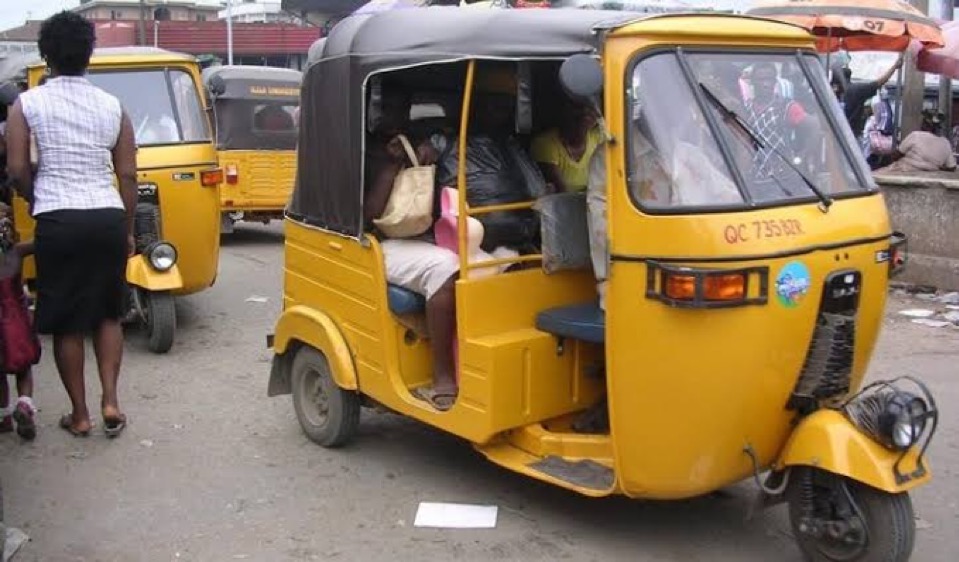
The Akwa Ibom State Government has announced that it generates approximately ₦14 million weekly from electronic ticket sales to commercial tricycle and minibus operators in Uyo, the state capital.
The development is expected to strengthen the state’s Internally Generated Revenue (IGR), following the introduction of an electronic ticketing system designed to improve revenue collection and reduce the loss of government funds.
The Commissioner for Transport, Dr Anthony Luke, disclosed the figures while speaking with journalists in Uyo on Saturday. He described the increase in revenue as one of the achievements recorded by the administration of Governor Umo Eno in the transport sector over the past three years.
According to Luke, the state now generates approximately ₦2 million daily from electronic ticket sales to commercial transport operators.
He explained that the system requires tricycle operators, popularly known as Keke riders, and minibus drivers to purchase their daily tickets electronically before 9 a.m.
The tickets reportedly cost ₦200 for tricycle operators and ₦300 for minibus drivers.
Electronic Ticketing Improves Revenue Collection
Luke said the introduction of electronic ticketing has helped the government identify operators who previously failed to pay for their daily tickets.
He disclosed that the Ministry of Transport had registered 5,794 tricycle operators, but the exercise revealed that many were not complying with the previous ticket payment arrangements.
The electronic system was introduced to improve accountability by ensuring that payments are recorded digitally and transferred directly into government accounts.
According to the commissioner, the state has recruited 143 enforcement officers to support ticket sales and ensure compliance among commercial transport operators.
Luke explained that revenue generated through the initiative goes directly into the government’s Treasury Single Account (TSA), making it easier to monitor collections and reduce revenue leakages.
He added that the electronic ticketing system had contributed to a reported 109 per cent increase in the state’s internally generated revenue.
The government believes that the technology-driven approach will improve transparency and strengthen its ability to collect revenue from commercial transport activities.
Technology Supports Transport Regulation
The electronic ticketing initiative was implemented through collaboration between the Akwa Ibom State Ministry of Transport and the Ministry of Science and Digital Economy.
The Commissioner for Science and Digital Economy, Dr Frank Ekpenyong, provided details about the technology supporting the programme.
According to reports, surveillance cameras have been installed at strategic locations across Uyo to monitor commercial tricycle operations and support efforts to improve passenger safety.
The cameras are intended to help authorities identify vehicles and operators when security incidents occur.
The government believes that improved monitoring will make it easier for security agencies to investigate crimes involving commercial tricycles and identify suspects when necessary.
The technology is also expected to support better regulation of transport operators and encourage compliance with government requirements.
However, the effectiveness of the monitoring system will depend on proper implementation, reliable identification procedures and cooperation between transport authorities and security agencies.
Government Seeks Greater Accountability
The state government’s decision to digitise transport ticketing reflects a broader effort to use technology to improve public administration and revenue collection.
Under a digital system, payments can be recorded electronically, allowing officials to monitor transactions and identify discrepancies more easily than with manual collection methods.
The approach may also reduce opportunities for unauthorised collections and improve accountability among ticket sellers and enforcement personnel.
For commercial transport operators, the system establishes a more structured process for paying daily tickets and complying with government regulations.
Nevertheless, the reported revenue figures may raise questions about the financial obligations of transport operators and how the system affects their daily operating expenses.
The government will need to maintain transparent payment procedures and ensure that operators understand the applicable fees and requirements.
What the Development Means for Akwa Ibom
The reported ₦14 million weekly collection highlights the potential contribution of the transport sector to Akwa Ibom’s public finances.
If sustained, the revenue could provide additional resources for government activities and public services. However, the amount collected from ticket sales should not automatically be interpreted as profit, since the government may also incur administrative, technology and enforcement costs.
The development also demonstrates how digital systems can help governments improve the monitoring of economic activities and strengthen revenue administration.
As the state continues to modernise its transport sector, residents and operators will be watching to see whether the initiative delivers lasting improvements in transparency, road safety and transport management.
For now, the Akwa Ibom Government says electronic ticketing has increased revenue collection and improved compliance among commercial tricycle and minibus operators in Uyo.
Follow AfriView
Don’t Miss the Next Big Story
Enjoyed this story? Stay connected with AfriView for the latest breaking news, trending stories and important updates from Nigeria, Africa and around the world.