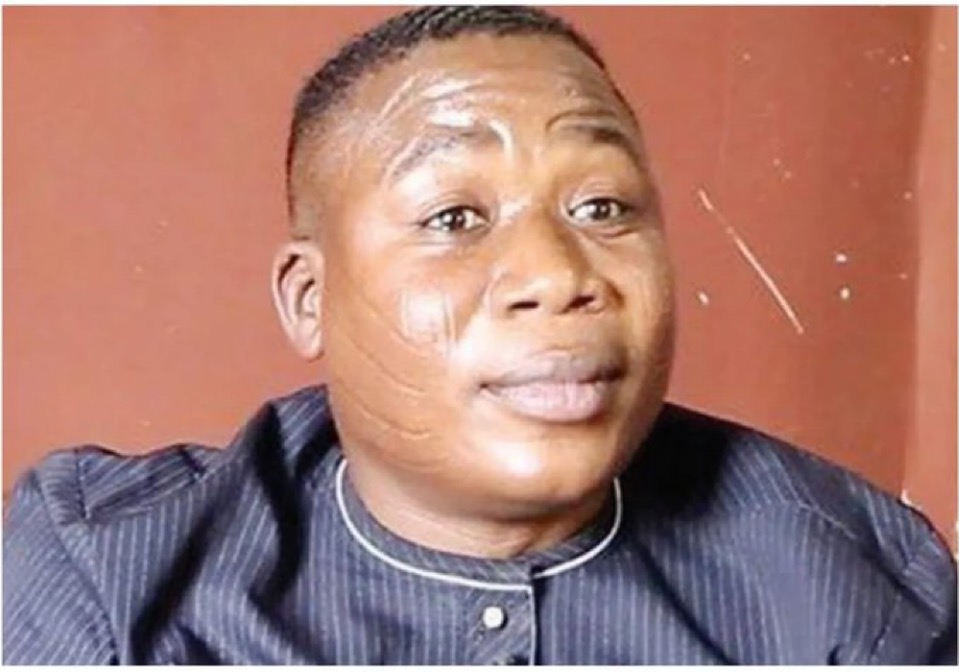
Adebayo Accuses Tinubu of Being Out of Touch With Nigerians’ Problems
The politician questions the administration’s connection with ordinary Nigerians as economic pressures and security concerns remain central to political debate.
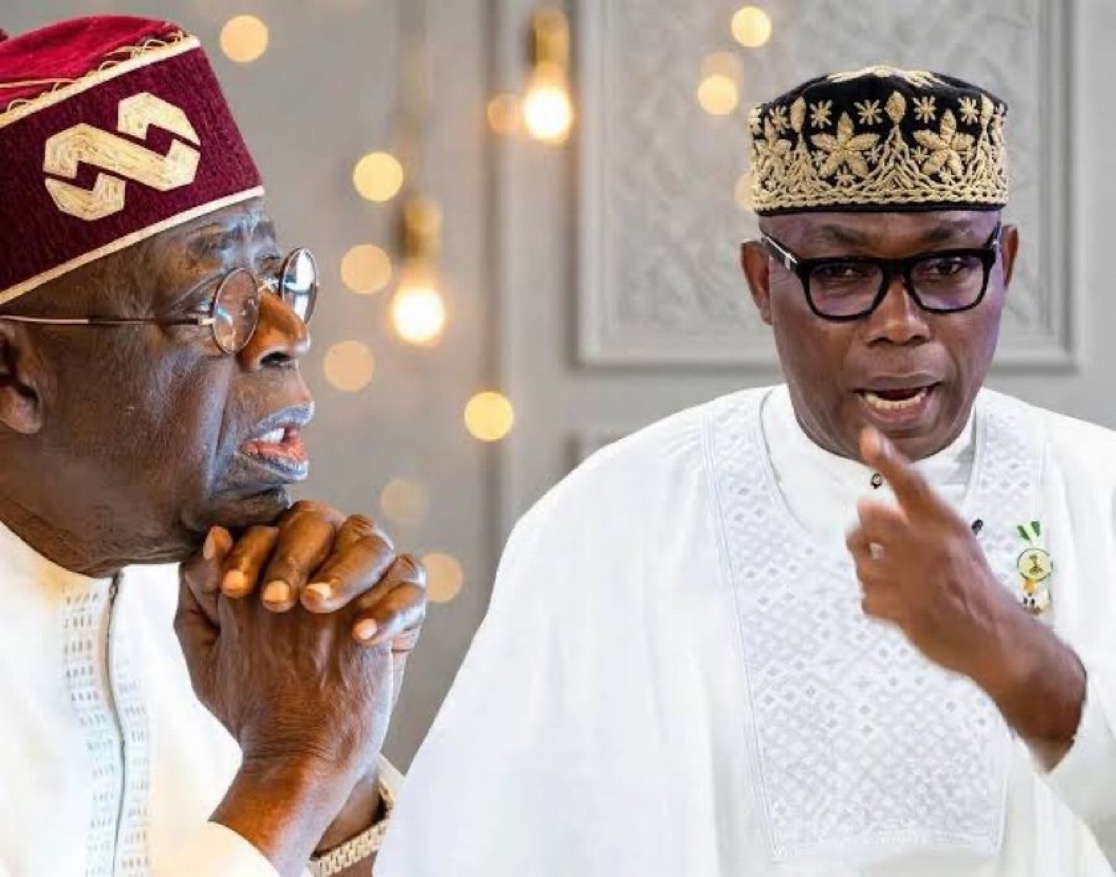
Prince Adewole Adebayo has criticised President Bola Ahmed Tinubu over his handling of Nigeria’s challenges, arguing that the President is increasingly disconnected from the everyday struggles of ordinary citizens.
Adebayo, who has been associated with the Social Democratic Party (SDP), said the President’s perceived distance from the population raises concerns about his understanding of the economic and social difficulties facing Nigerians.
The criticism comes as political activities and discussions surrounding the 2027 presidential election continue to intensify, with opposition figures questioning the Federal Government’s response to poverty, insecurity, rising living costs and other national concerns.
According to Adebayo, effective leadership requires a president who remains connected to citizens, understands their experiences and responds directly to their needs.
Adebayo Questions Tinubu’s Connection With Ordinary Nigerians
Adebayo’s remarks reflect his broader criticism of the Tinubu administration, particularly concerning presidential accessibility and the government’s response to the country’s economic challenges.
He has repeatedly argued that Nigeria needs leadership that prioritises citizens’ welfare and demonstrates a clear commitment to addressing poverty and insecurity.
The politician has also questioned whether the President is sufficiently engaged with the realities confronting Nigerians, including families struggling to meet basic household expenses and businesses facing rising operating costs.
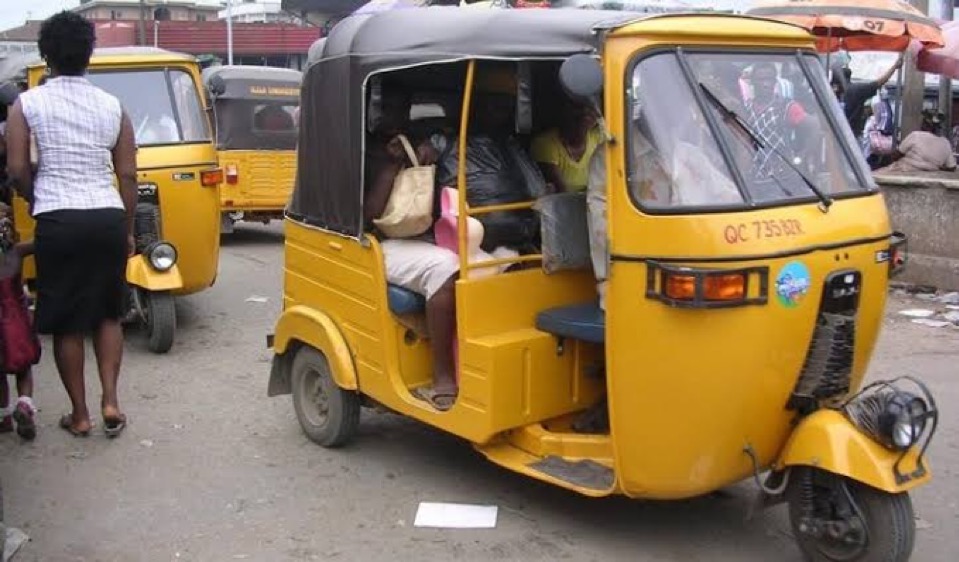
For many households, the cost of food, transportation, electricity and other essential services remains a major concern. These pressures have made economic conditions and government policies important issues in public discussions about the country’s direction.
Adebayo’s criticism centres on the argument that political leadership should be measured by its responsiveness to these concerns and its ability to improve living conditions.
However, his comments represent his assessment of the administration and should not be treated as an independently established conclusion about the President’s awareness of Nigerians’ problems.
Economic Hardship Remains a Major Political Issue
Nigeria’s economic situation has remained a central subject of political debate following the Tinubu administration’s decision to remove the petrol subsidy and introduce foreign exchange reforms.
The government has defended its economic measures as necessary steps towards stabilising public finances and addressing longstanding structural weaknesses.
However, the reforms have also attracted criticism over their immediate effects on household purchasing power, transportation costs and the operating expenses of businesses.
Opposition politicians, including Adebayo, have argued that economic reforms must be accompanied by practical measures that protect vulnerable citizens and deliver visible improvements in living standards.
For ordinary Nigerians, the key questions include whether food prices will become more affordable, employment opportunities will increase and public services will improve.
These concerns are expected to remain prominent as political parties and aspirants prepare to present their proposals ahead of the 2027 general election.
Insecurity and Poverty Feature in Adebayo’s Criticism
Beyond the economy, Adebayo has consistently identified poverty and insecurity as major challenges requiring urgent government attention.
During the presentation of his policy blueprint, titled Farewell to Poverty and Insecurity, he called for stronger leadership, better governance and greater citizen participation in addressing Nigeria’s problems.
He has argued that the country’s difficulties cannot be resolved through political slogans alone, insisting that government policies should produce measurable improvements in the lives of citizens.
His position places poverty reduction, security and accountable governance at the centre of his political message.
Adebayo has also encouraged Nigerians to organise within their communities and participate actively in democratic processes rather than allowing ethnic and religious divisions to dominate political discussions.
His approach emphasises the need for citizens to examine the policies and records of political leaders before making decisions at the ballot box.
2027 Election Debate Gathers Momentum
With the 2027 presidential election approaching, criticism of the Tinubu administration is becoming an increasingly prominent feature of political discussions.
Opposition figures are expected to focus on economic management, security, public accountability and the delivery of essential services as they make their cases to voters.
Tinubu’s administration, meanwhile, has maintained that its economic reforms are intended to establish a more sustainable foundation for national development, although the long-term effects and distribution of their benefits remain subjects of public debate.
The election campaign period is likely to bring further scrutiny of the government’s record, alongside competing proposals for tackling Nigeria’s challenges.
Voters will have the opportunity to assess the arguments presented by different political actors and consider the policies they believe would best address the country’s needs.
EDITORIAL NOTE: The Social Democratic Party issued a statement disputing Adebayo’s status as its 2027 presidential candidate. In a statement published on its official website, the party said he had been expelled following its May 20, 2026, meetings and had not been nominated as its candidate. His current party status should therefore be verified before he is described as the SDP’s official presidential candidate.
Ultimately, the debate over presidential accessibility and the government’s response to economic hardship highlights the importance of accountability in a democracy. As Nigeria moves towards another election cycle, the performance of the government and the proposals offered by its critics will remain important subjects for public examination.
Follow AfriView
Don’t Miss the Next Big Story
Enjoyed this story? Stay connected with AfriView for the latest breaking news, trending stories and important updates from Nigeria, Africa and around the world.