Nigeria’s External Debt Rises to $145 Billion as World Bank Warns of Growing Debt Burden
The country’s external debt increased by 6.6 per cent in 2025, with private borrowing and rising debt-servicing obligations adding to concerns about long-term economic sustainability.
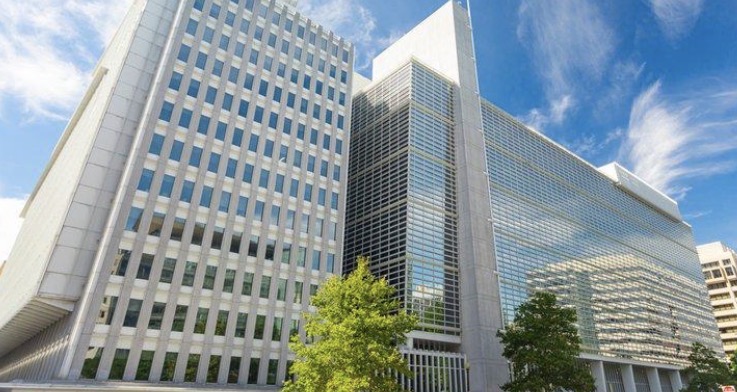
Nigeria’s total external debt stock increased to $145.02 billion at the end of 2025, representing a 6.6 per cent rise from the $135.99 billion recorded in 2024, according to the World Bank.
The figures were published in the World Bank’s International Debt Report 2026, which examines external borrowing patterns, debt obligations and repayment pressures across developing economies.
The report showed that Nigeria’s external debt has increased significantly over the past decade, rising from approximately $83.21 billion in 2015 to $145.02 billion in 2025.
This represents a 74.3 per cent increase within ten years.
However, the latest figure requires an important distinction. Nigeria’s $145.02 billion external debt stock does not represent government borrowing alone. It includes public and publicly guaranteed debt, private borrowing without government guarantees and short-term external obligations.
How Nigeria’s $145 Billion External Debt Is Distributed
According to the World Bank’s data, Nigeria’s external debt consists of three major categories.
Public and publicly guaranteed external debt accounted for approximately $62.4 billion, while private non-guaranteed debt stood at $54.48 billion.
Short-term external obligations accounted for another $28.14 billion.
The breakdown shows that a substantial portion of Nigeria’s external debt comes from private-sector borrowing rather than direct government obligations.
Within the public and publicly guaranteed category, multilateral creditors accounted for the largest share, with approximately $31.37 billion.
Private creditors held $24.35 billion, while bilateral creditors accounted for $6.68 billion.
The figures provide a clearer picture of the country’s external financial commitments and the different institutions and lenders involved.
China Remains Nigeria’s Largest Bilateral Creditor
The report also identified China as Nigeria’s largest bilateral creditor, with approximately $5.67 billion in outstanding obligations at the end of 2025.
France followed with about $774 million, while other bilateral creditors accounted for approximately $237 million.
Nigeria’s multilateral obligations were considerably higher.
The World Bank’s International Development Association (IDA) accounted for approximately $18.53 billion, making it the largest individual multilateral component of the country’s public and publicly guaranteed external debt.
Other multilateral obligations included approximately $5.52 billion in International Monetary Fund credit and Special Drawing Rights allocations.
These figures highlight the importance of international development institutions in financing Nigeria’s infrastructure and other development priorities.
The Bigger Concern: How Much Does Nigeria Spend Servicing Its Debt?
Beyond the increase in total external debt, the cost of servicing these obligations remains a major concern.
The World Bank report showed that Nigeria’s external debt-service payments were equivalent to 19 per cent of its exports in 2025.
Debt service also accounted for approximately five per cent of the country’s Gross National Income (GNI).
This means that a considerable portion of the income generated through international trade and economic activities is committed to meeting external debt obligations.
The report also revealed a difference in the cost of borrowing from official and private creditors.
New borrowing commitments from official creditors in 2025 carried an average interest rate of 1.9 per cent, with an average maturity of 25 years and a five-year grace period.
In comparison, new commitments from private creditors carried an average interest rate of 9.6 per cent, with an average maturity of 12 years.
The difference highlights how expensive commercial borrowing can become, particularly when countries rely heavily on international bond markets.
Nigeria’s Borrowing and the Global Debt Challenge
Nigeria’s growing external debt reflects a wider challenge confronting developing economies.
According to the World Bank, the external debt of developing countries increased by 5.5 per cent to a record $9.4 trillion in 2025.
Low- and middle-income countries collectively paid approximately $1.4 trillion in principal and interest during the year, marking the fifth consecutive annual increase in debt-service payments.
The World Bank warned that increasing debt obligations could reduce the resources available for essential development priorities, including healthcare, education, infrastructure and job creation.
For countries already struggling with economic pressures, the challenge is not simply accessing international financing but ensuring that borrowed funds produce enough economic value to justify their cost.
What Does This Mean for Nigeria?
Nigeria’s external debt figures raise important questions about the country’s borrowing strategy, revenue generation and long-term economic priorities.
Borrowing is not necessarily harmful to an economy. Governments and private institutions can use external financing to support infrastructure development, expand productive industries and stimulate economic growth.
However, the benefits depend largely on how borrowed funds are managed and whether the investments generate sufficient returns to support repayment.
For Nigeria, the growing debt stock makes transparency, responsible borrowing and effective utilisation of funds increasingly important.
The country’s ability to meet its obligations without compromising essential public spending will remain a significant test of its economic management.
Ultimately, the question is not just how much Nigeria owes, but whether the money borrowed is translating into measurable improvements in the lives of Nigerians.
Follow AfriView
Don’t Miss the Next Big Story
Enjoyed this story? Stay connected with AfriView for the latest breaking news, trending stories and important updates from Nigeria, Africa and around the world.