Nigeria's Education Crisis: Report Raises Concern Over Malnutrition and Government Inaction
Report Highlights 10.5 Million Out-of-School
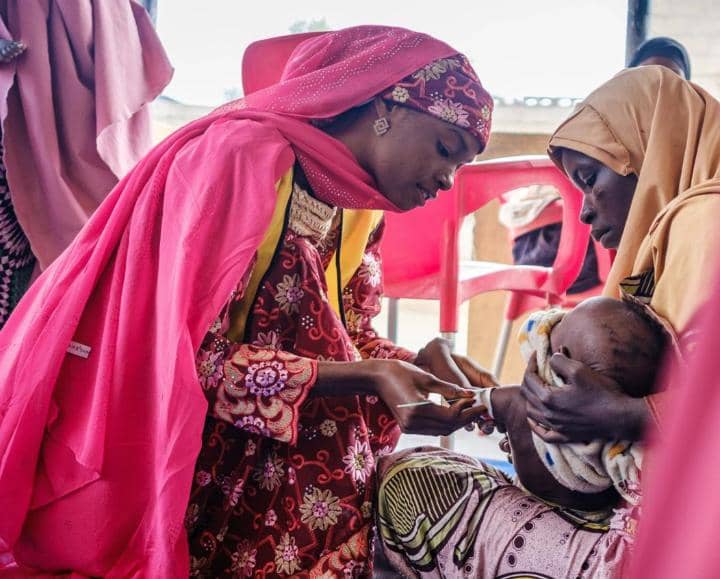
Nigeria is facing a growing education and child nutrition crisis, as a new report has raised concerns over widespread malnutrition, millions of children excluded from school and what it describes as inadequate government action to address the situation.
The report, published by Independent Newspaper Nigeria, warns that poor nutrition and limited access to education are threatening the development and future opportunities of millions of Nigerian children.
It argues that the country's development ambitions could be undermined if children continue to lack access to adequate food, healthcare and quality education.
Malnutrition Threatens Children's Development
One of the major concerns highlighted in the report is the high rate of malnutrition among Nigerian children.
According to figures cited in the report, only 17 per cent of infants are exclusively breastfed during their first six months, while just 18 per cent of children between six and 23 months receive the minimum acceptable diet.
The situation is particularly worrying because proper nutrition during early childhood is essential for physical growth, brain development and the ability to learn.
A separate report by The Guardian published in September 2026 quoted the Nutrition Society of Nigeria as saying that nearly two million Nigerian children suffer from severe acute malnutrition, with only two out of every ten affected children receiving treatment.
The same report highlighted findings from the 2025–2026 Mini-Demographic and Health Survey, which showed that 41.1 per cent of children under five were stunted.
These figures have intensified concerns among health professionals and development stakeholders about the country's ability to protect vulnerable children.
Millions of Children Remain Out of School
The education crisis is another major issue identified in the report.
It cites an estimated 10.5 million Nigerian children who are out of school, with children from poor households and vulnerable communities particularly affected.
The problem is also reflected in the transition from primary to secondary education. The report estimates that approximately 35 per cent of children who complete primary school do not proceed to secondary education.
Girls, children with disabilities and those living in communities affected by insecurity face additional barriers to accessing education.
In some parts of the country, poverty, inadequate school facilities, insecurity and limited access to qualified teachers continue to prevent children from receiving quality education.
The combination of malnutrition and poor educational access creates a serious challenge. Children who lack adequate nutrition may struggle with concentration, learning and regular school attendance, further widening existing educational inequalities.
Questions Raised Over Government Action
The report also questions the effectiveness of government policies designed to address malnutrition and educational exclusion.
Nigeria already has several policies and programmes intended to improve nutrition, healthcare and access to basic education. These include the National Policy on Food and Nutrition and the Universal Basic Education programme.
However, the report argues that inadequate budgetary allocations, delayed fund releases and weak implementation have limited the impact of these interventions.
It calls for stronger government accountability, improved funding and better coordination between federal and state authorities.
A September 2026 UNICEF report on public finance for basic education also identified chronic underfunding as a major factor behind Nigeria's poor educational access and learning outcomes.
The UNICEF report noted that government education expenditure declined from 9.3 per cent of total government spending in 2015 to 3.6 per cent in 2023, significantly below the international benchmark of 15 to 20 per cent.
Calls for Stronger Investment and Accountability
The report recommends that government authorities prioritise nutrition programmes, improve access to healthcare and ensure that existing education policies are properly funded and implemented.
It also calls on state governments to strengthen the implementation of the Child Rights Act, which guarantees children access to free and compulsory basic education.
Beyond government funding, stakeholders are encouraged to work with communities, civil society organisations, healthcare professionals and the private sector to address the challenges.
Improving food security, supporting vulnerable families and expanding access to quality schools are among the measures considered necessary to reverse the situation.
The Future of Nigerian Children at Stake
The growing concerns over malnutrition and educational exclusion highlight the need for urgent and coordinated action.
While Nigeria has introduced several policies aimed at improving education and child welfare, the report argues that commitments must translate into measurable improvements in children's lives.
The country's future development will depend partly on how effectively it protects, nourishes and educates its younger population.
For millions of Nigerian children, access to nutritious food and quality education remains an important challenge. Addressing these problems will require sustained investment, effective leadership and accountability at every level of government.
Follow AfriView
Don’t Miss the Next Big Story
Enjoyed this story? Stay connected with AfriView for the latest breaking news, trending stories and important updates from Nigeria, Africa and around the world.