
NIGERIA REPORTS EBOLA CASE AS HEALTH AUTHORITIES TRACE 44 CONTACTS
Nigeria confirms an imported Ebola case in Abuja as health authorities identify 44 contacts for monitoring and strengthen measures to prevent further transmission.
 Nigeria has confirmed an imported case of Ebola virus disease in the Federal Capital Territory (FCT), Abuja, prompting health authorities to intensify surveillance, contact tracing and infection-control measures to prevent further transmission.
The Federal Ministry of Health and Social Welfare confirmed the case on Tuesday, October 20, after laboratory testing detected the Bundibugyo virus, a rare strain of Ebola responsible for an outbreak affecting parts of Africa.
According to reports from the World Health Organization (WHO), the patient is a woman with a recent travel history involving Uganda. She is currently isolated and receiving medical care in Abuja.
The confirmation has raised concerns about the potential spread of the ongoing outbreak across international borders.
Authorities have identified 44 people who may have had contact with the patient and are monitoring them as investigations continue.
NIGERIA ACTIVATES EMERGENCY RESPONSE MEASURES
Following confirmation of the infection, the Nigeria Centre for Disease Control and Prevention (NCDC) activated its incident management system to coordinate the country’s response.
The emergency response involves federal health authorities, medical facilities, surveillance teams and international health partners working to identify possible exposures and prevent further transmission.
According to the WHO, the 44 identified contacts are being monitored while investigators work to establish the patient’s movements and possible exposure history.
Contact tracing is an important part of controlling Ebola outbreaks because it allows health workers to identify people who may have been exposed to an infected individual and monitor them for symptoms.
Authorities are also strengthening infection prevention and control measures at the private health facility where the patient initially sought treatment.
The WHO is supporting Nigerian authorities with case investigations, contact tracing, protective equipment and other measures needed to contain the infection.
Health officials are continuing to investigate the circumstances surrounding the case, including where the patient may have contracted the virus.
 PATIENT DEVELOPED SYMPTOMS DAYS AFTER ARRIVAL
Information released by the WHO indicates that the patient developed symptoms on October 7, four days after arriving in Nigeria.
She sought medical attention at a private health facility in Abuja on October 11.
The infection was subsequently confirmed through laboratory testing on October 20.
The patient’s travel history has become an important part of the investigation because the ongoing Ebola outbreak has affected several African countries.
Although the woman reportedly travelled through Uganda, authorities have not established the precise location where she contracted the infection.
Uganda’s health authorities have disputed suggestions that travel through their country proves the infection originated there. They have stated that the location of exposure remains under investigation.
Nigerian health officials are working to reconstruct the patient’s travel and exposure history to determine whether additional people could have been exposed before her isolation.
Authorities are also tracing people who may have travelled alongside the patient.
WHAT IS THE BUNDIBUGYO EBOLA VIRUS?
The Bundibugyo virus is one of the viruses that can cause Ebola virus disease, a severe illness that can be fatal.
The disease can cause fever, weakness, headache, muscle pain, vomiting, diarrhoea and, in severe cases, bleeding and organ complications.
Symptoms generally appear between two and 21 days after exposure.
Ebola spreads primarily through direct contact with the blood or other body fluids of an infected person who is showing symptoms, or through contact with contaminated objects.
It does not spread through ordinary conversation or simply being near someone in the same way as airborne respiratory infections such as measles.
The Bundibugyo strain is particularly concerning because there is currently no approved vaccine or specific treatment for this strain.
However, supportive medical care can improve a patient’s chances of survival. Early recognition, careful monitoring, fluid management and treatment of complications are important components of clinical care.
Health authorities stress that suspected cases must be assessed by trained medical personnel, with appropriate protective measures in place.
People who develop concerning symptoms after a possible exposure should contact health professionals promptly rather than attempting to manage the illness without medical assistance.
EBOLA OUTBREAK SPREADS ACROSS AFRICAN COUNTRIES
Nigeria’s confirmed case comes amid a wider outbreak that began in the Democratic Republic of the Congo in May 2026.
The outbreak has placed health authorities across Africa on alert as infections have been detected beyond the initial area of transmission.
Kenya has also reported Ebola infections linked to the wider outbreak, while authorities in affected countries continue investigating cases and strengthening surveillance.
The spread of the virus across borders has raised concerns among international health organisations about the challenges of detecting infections early and preventing further transmission.
The Africa Centres for Disease Control and Prevention has called for urgent regional coordination as the outbreak affects multiple parts of the continent.
The WHO has urged countries to maintain strong disease surveillance, ensure laboratories can safely test suspected cases and prepare medical teams to respond quickly.
The agency has also advised against restrictions on travel or trade with affected countries, while encouraging appropriate public health preparedness.
 NIGERIA’S EXPERIENCE WITH EBOLA
Nigeria previously dealt with an Ebola outbreak in 2014, when an infected traveller arrived in Lagos.
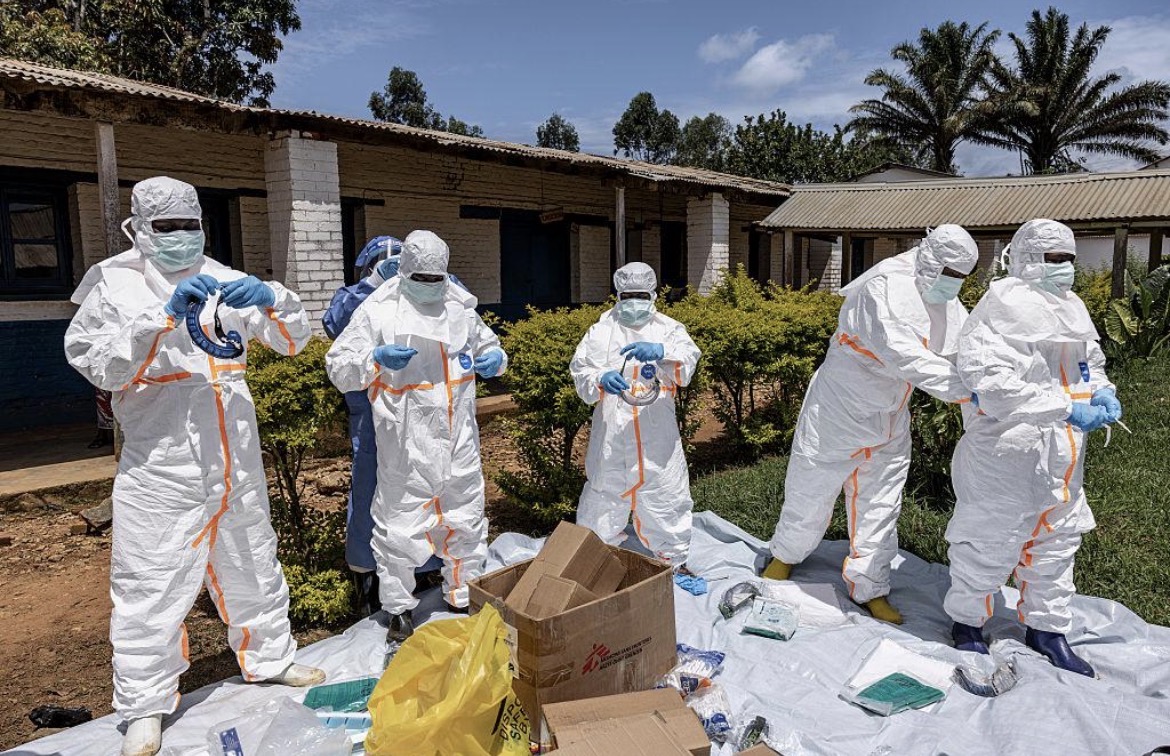
The outbreak triggered an emergency public health response involving isolation, contact tracing, infection-control measures and public awareness campaigns.
Nigeria successfully interrupted transmission during that outbreak and was subsequently declared Ebola-free by the WHO.
That experience is expected to inform the current response.
However, health experts recognise that every outbreak presents different challenges, particularly when the virus strain, affected locations and patterns of transmission differ.
Nigeria’s large population, busy international airports and extensive transport networks make rapid detection and coordinated public health action particularly important.
Health authorities have been strengthening preparedness measures since Ebola infections were reported elsewhere in Africa earlier this year.
The current response will depend on identifying contacts, monitoring their health, protecting medical personnel and communicating accurate information to the public.
WHAT NIGERIANS SHOULD KNOW
Health authorities are urging members of the public to remain calm and rely on verified information from official sources.
Ebola is a serious disease, but a single confirmed imported case does not automatically mean widespread transmission has occurred.
The identification of the patient and the commencement of contact tracing are important steps in assessing and managing the risk.
Members of the public should practise good hand hygiene, avoid direct contact with the blood or body fluids of anyone suspected of having Ebola, and seek prompt medical advice if they believe they may have been exposed.
People should not spread unverified claims about suspected infections or identify individuals as infected without official confirmation.
Anyone experiencing symptoms after a credible exposure should contact a healthcare provider and explain their exposure history before arriving at a medical facility, so appropriate precautions can be arranged.
Healthcare workers should follow established infection prevention and control procedures when assessing suspected cases.
The NCDC and the Federal Ministry of Health and Social Welfare remain key sources of official updates about Nigeria’s response.
AUTHORITIES FOCUS ON CONTAINING THE INFECTION
The immediate priority is to monitor the 44 identified contacts, investigate the patient’s exposure history and determine whether further cases have occurred.
The WHO is supporting Nigeria’s response as health authorities strengthen surveillance and medical preparedness.
Although the confirmed case has raised concern, officials are working to prevent further transmission through early detection, isolation, contact tracing and infection-control measures.
The coming days will be important as investigators gather more information and determine whether additional people require monitoring.
 For now, authorities are urging Nigerians to remain informed, avoid misinformation and cooperate with legitimate public health guidance as efforts to contain the infection continue.