Nigeria Customs Releases 98 Containers of Electricity Equipment Stranded for Up to 20 Years
The recovered equipment includes high-capacity transformers, cables and switchgear originally purchased for electricity transmission projects, raising fresh questions about abandoned public infrastructure investments.
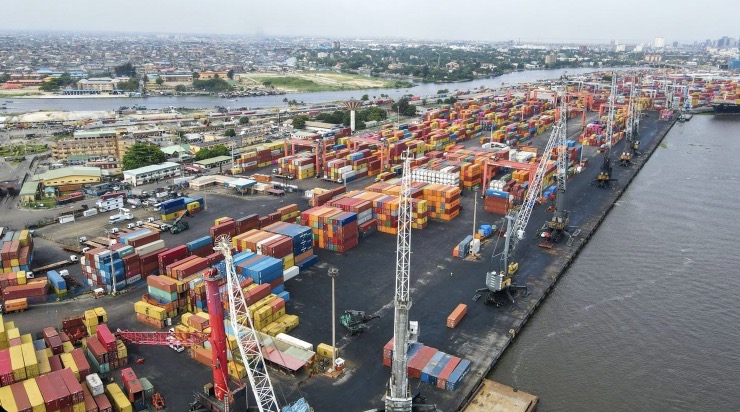
The Nigeria Customs Service (NCS) has commenced the evacuation of 98 containers of electricity transmission equipment that had remained stranded at Nigerian ports for between 14 and 20 years.
The exercise, flagged off in Lagos on Friday, November 6, 2026, follows a presidential directive to resolve administrative bottlenecks and accumulated charges preventing the release of the equipment.
According to the Comptroller-General of Customs, Bashir Adewale Adeniyi, the 98 containers form part of more than 300 containers of power sector equipment that have remained uncleared at various ports across the country.
The first 44 containers were released from the ENL Consortium Terminal, while another 54 containers were scheduled for evacuation from APM Terminals and Sun & Moon Terminals.
The consignments contain high-capacity transformers, electrical cables, switchgear and other materials originally imported for government-backed electricity transmission projects involving the Federal Ministry of Power, the Transmission Company of Nigeria (TCN) and the Niger Delta Power Holding Company (NDPHC).
Why the Equipment Matters to Nigeria’s Electricity Sector
The equipment was originally procured to expand the country’s electricity transmission network, strengthen substations and improve the delivery of electricity from generation facilities to consumers.
However, its prolonged stay at the ports meant that projects which depended on these materials could not progress as intended.
Minister of Power, Joseph Tegbe, explained that the delay had placed additional pressure on existing substations, restricted the expansion of transmission infrastructure and limited the network’s ability to deliver electricity efficiently.
The consequences extend beyond the electricity sector.
Businesses that depend on stable electricity have continued to contend with the cost of alternative power sources, while households and public institutions face the effects of unreliable electricity supply.
The stranded equipment also represents a significant public investment that remained unavailable for its intended purpose for years.
Tinubu Directs Immediate Release as Customs Approves Waivers
The clearance exercise followed a presentation by the Minister of Power to the Federal Executive Council, after which President Bola Tinubu directed relevant government agencies to resolve the outstanding administrative and financial issues preventing the release of the containers.
The directive required agencies to address accumulated charges and other bottlenecks without further delay.
Adeniyi said the Customs Service had introduced priority processing, dedicated officers for joint examinations and approved waivers on accumulated charges to facilitate the evacuation.
The Minister of Finance, Taiwo Oyedele, was acknowledged for approving the waivers, while the Ministry of Marine and Blue Economy and other relevant agencies also supported the process.
The Customs chief also criticised contractors who received government project funds but failed to execute their assignments, leaving imported equipment abandoned at the ports.
He argued that such practices deprive Nigerians of the infrastructure, electricity and employment opportunities that public investments are expected to provide.
He further indicated that the Customs Service would work with relevant oversight agencies to identify consignments connected to abandoned government projects and establish accountability.
What Happens to the Recovered Equipment?
Although the release represents an important step, the equipment must still undergo technical assessments before it can be deployed.
According to the Ministry of Power, engineers will verify the inventory, inspect the materials, conduct necessary tests and determine which items remain suitable for use.
Equipment requiring repairs or refurbishment will be attended to before installation, while obsolete materials will be disposed of in accordance with existing regulations.
Some of the recovered equipment is expected to support transmission projects in locations including Kaduna, Ajaokuta, Lokoja and Enugu.
The government says the eventual deployment will help complete stalled installations, ease pressure on overloaded substations and strengthen constrained transmission corridors.
However, the actual improvement in electricity supply will depend on how quickly the equipment is transported, tested, installed and commissioned.
The Ministry of Power has also indicated that efforts will continue to secure the release of the remaining containers.
Follow AfriView
Don’t Miss the Next Big Story
Enjoyed this story? Stay connected with AfriView for the latest breaking news, trending stories and important updates from Nigeria, Africa and around the world.