Global Heat Alert: El Niño Set to Intensify as Nigeria Faces Warmer Temperatures
The World Meteorological Organization expects a strengthening El Niño to influence temperatures and rainfall patterns worldwide, raising concerns about extreme heat and other weather risks as Nigeria enters the dry season.
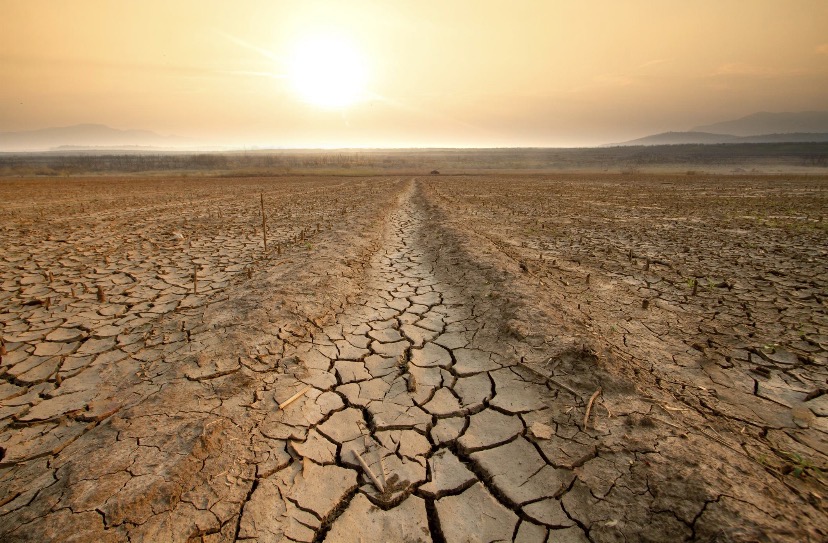
As temperatures rise across several parts of the world, a strengthening El Niño is raising concerns about extreme heat, changing rainfall patterns and the possibility of other disruptive weather conditions in the months ahead.
The World Meteorological Organization (WMO) said on October 8 that El Niño was expected to intensify towards a forecast peak in December 2026. Its latest outlook indicated that above average temperatures were likely across much of the world between October and December, alongside an increased risk of drought in some regions and flooding in others.
However, the forecast does not mean that every country will experience a heatwave at the same time. The effects of El Niño differ by region, and local weather forecasts remain important for understanding the risks facing individual communities.
What Is Happening With Global Temperatures?
El Niño is a natural climate phenomenon associated with warmer-than-average sea surface temperatures in the central and eastern tropical Pacific Ocean. It can influence weather patterns far beyond the Pacific, affecting rainfall, temperatures and seasonal conditions in different parts of the world.
According to the WMO’s October outlook, sea surface temperatures in the central and eastern tropical Pacific were expected to rise to exceptionally high levels during the final quarter of 2026. The organisation warned that the developing conditions could affect economies, ecosystems and communities worldwide.
The concern is not limited to hot weather. Changes in atmospheric circulation associated with El Niño can contribute to drought in some places while increasing rainfall and flood risks elsewhere.
The development is particularly important as governments and communities prepare for possible climate-related disruptions towards the end of the year and into 2027.
What Does This Mean for Nigeria?
Nigeria is also preparing for seasonal weather changes as rainfall gradually retreats in many parts of the country and dry-season conditions develop.
In its 2026 Seasonal Climate Prediction, released in February, the Nigerian Meteorological Agency (NiMet) forecast generally warmer-than-average daytime and nighttime temperatures across most parts of Nigeria during January, February, March and May.
The agency also highlighted variations in rainfall, prolonged dry spells in some locations and other conditions that could affect agriculture, water resources and public health.
These projections provide important context, but they should not be presented as confirmation of a new nationwide heatwave in the coming days. NiMet’s annual forecast covers specific periods and conditions, while the latest local forecasts are needed to establish whether a heat alert is in effect for a particular state.
The strengthening El Niño adds another reason to monitor official weather updates, but its global effects do not automatically translate into identical conditions throughout Nigeria.
Why Extreme Heat Calls For Attention
Prolonged exposure to high temperatures can cause dehydration, heat exhaustion and heatstroke, particularly among older adults, young children, outdoor workers and people with certain medical conditions.
Hot weather can also place additional pressure on water supplies, electricity demand and agricultural production. Farmers may face difficulties when high temperatures combine with insufficient rainfall, while people who work outdoors can experience greater heat stress during the hottest parts of the day.
Urban communities may face additional discomfort where concrete surfaces, limited shade and poor ventilation contribute to higher local temperatures.
These risks make accurate forecasting and public awareness important, especially for communities with limited access to reliable electricity, clean water or cooling facilities.
How Nigerians Can Prepare
Residents can take practical steps to reduce their exposure to excessive heat.
Drinking water regularly, wearing lightweight clothing, seeking shade and reducing strenuous outdoor activities during the hottest hours can help lower the risk of heat-related illness. People should also check on children, older relatives and others who may be more vulnerable to high temperatures.
Employers and schools can consider access to drinking water, shaded rest areas and adjustments to strenuous outdoor activities when local forecasts indicate dangerous heat.
Anyone experiencing confusion, collapse or other signs of severe heat illness needs urgent medical attention.
What Happens Next?
The WMO’s October outlook indicates that the strengthening El Niño could continue influencing global weather patterns into the end of 2026 and beyond. Its effects will depend on regional conditions and how the climate system develops over the coming months.
For Nigeria, the priority is to follow updated forecasts, prepare for local temperature and rainfall conditions, and ensure that communities receive clear information about potential risks.
Although a single heatwave sweeping across the entire world has not been established by these forecasts, the outlook highlights the importance of taking rising temperatures and climate-related risks seriously.
Follow AfriView
Don’t Miss the Next Big Story
Enjoyed this story? Stay connected with AfriView for the latest breaking news, trending stories and important updates from Nigeria, Africa and around the world.